



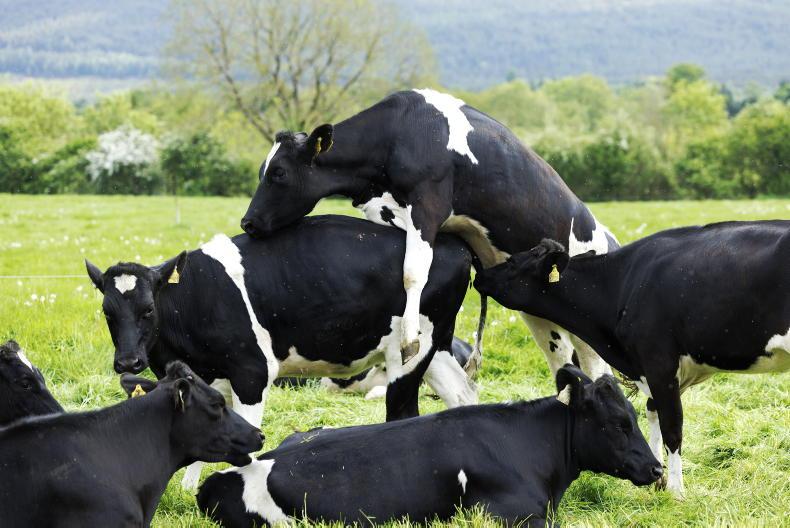
Grazing: the bad news on the grazing front is that the tricky weather is set to continue for another few days with further rainfall forecast over much of the country.
Heavy land is very wet and not getting enough of a chance to dry out, which is causing major headaches for affected farmers. It’s probably fair to say that the current weather conditions are normal for April, but the problem is the winter and spring were so wet that land is saturated.
The challenge in some parts of the country is now around silage stocks. The irony is, unlike in 2024, there is plenty of grass available on most farms but heavy land is too wet for grazing. The good news is that whenever conditions do improve, feed will be plentiful almost instantly. Those on drier farms are coping much better and many are now well into the second rotation.
Growth rates are mixed and the cold weather of last weekend has tempered any burst in growth. That said, farms which are up to date on nitrogen and slurry appear to be growing well and the predicted growth for the coming week is up around 50kg/ha/day, which exceeds herd demand in most cases.
Animal health: vets and knackeries are busy at this time of year which is never good news. There were a lot of reports of grass tetany in the past week, especially where cows are on second-rotation grass that was previously spread with slurry.
High levels of potash exacerbate the risk of tetany. Supplementing with magnesium is the prevention, but no one system is foolproof. In high-risk conditions, some farmers are putting magnesium flakes into the water in addition to feeding meal.
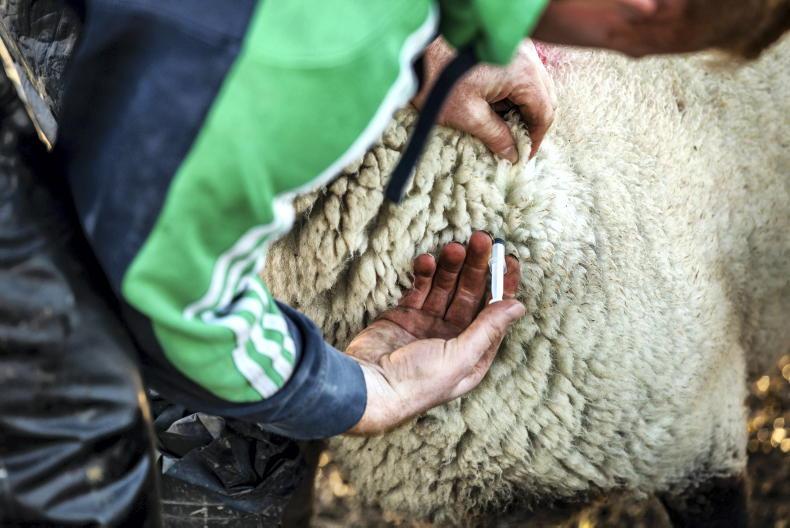
Where there are no in-line dosing systems, they are just tipping the flakes into the water troughs each day. Other health-related tasks to be done now include giving the second shot of bluetongue vaccine where required. Other vaccines such as BVD, lepto and IBR should ideally be administered before the breeding season starts.
On calves, most farmers give two shots of blackleg vaccine before they are turned out. Preventative doses for coccidiosis should also be considered as the disease can cause huge health problems in otherwise healthy calves.
Breeding heifers: if thinking of doing fixed-time AI, there are two things to do. Firstly, consult with the AI technician around the timing of AI to make sure they have availability for the proposed time and date.
You can’t change this midway through the programme. Secondly, work backwards from the AI date to determine the times and days to give the hormones. These programmes are expensive, costing around €35/head excluding the cost of the straw and if they are not carried out correctly, will result in low conception rates.
That said, conception rates, even where the protocol is carried out correctly are variable, with Teagasc putting the normal range at 45% to 75% conception rate to first service.
Other options for AI include serving heifer to standing heat for seven days, giving PG to any heifer not served and then serving them as they come in. The majority of the heifers should be served after 11 or 12 days.


SHARING OPTIONS