



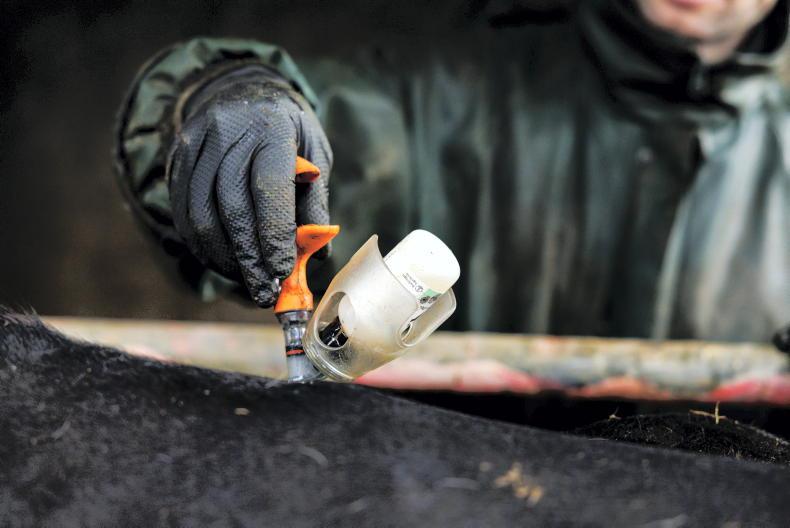
The high average temperatures of the past few days are aiding the replication of the bluetongue virus in midges as the virus replicates quicker the higher that average temperatures rise above a 12°C threshold.
However, Ireland may not yet have crossed the critical 50.7°C ‘degree days’ needed for complete bluetongue replication by Wednesday, a Department of Agriculture spokesperson told the Irish Farmers Journal.
Examples of time periods and average daily temperatures that would hit this crucial ‘degree day’ incubation threshold needed for the virus to replicate are six days at 20°C or three days at 30°C.
“Modelling data from other member states indicates that, for parts of continental Europe, this threshold has been reached which means that infective midges are likely present in these regions,” the Department said.
“Modelling from Britain indicates that the thermal threshold for viral replication has been reached in parts of the southeast of England, but not yet in Wales, Scotland or Northern Ireland.”
Higher temperatures will also bring on increased numbers of the Culicoides midge that transmit bluetongue to livestock, a species that is active year-round but only start breeding in warmer weather.
Findings of pregnant female midges around Ireland suggests that the virus vector’s 2026 breeding season has begun and that midge numbers will be on the up from here on out.
The Department also stated that wind direction over recent days has been appropriate for a midge plume to reach Ireland from parts of western Britain but that it is unlikely that these midge would be immediately infective.
It is very unlikely that a midge plume would be carried from continental Europe, it added.




SHARING OPTIONS