Dairy management: lepto vaccine, PAYE changes and fertiliser
This week, Aidan Brennan looks at the implications of changes to PAYE for farmers, scarcity of lepto vaccine and how much fertiliser to spread on silage ground.
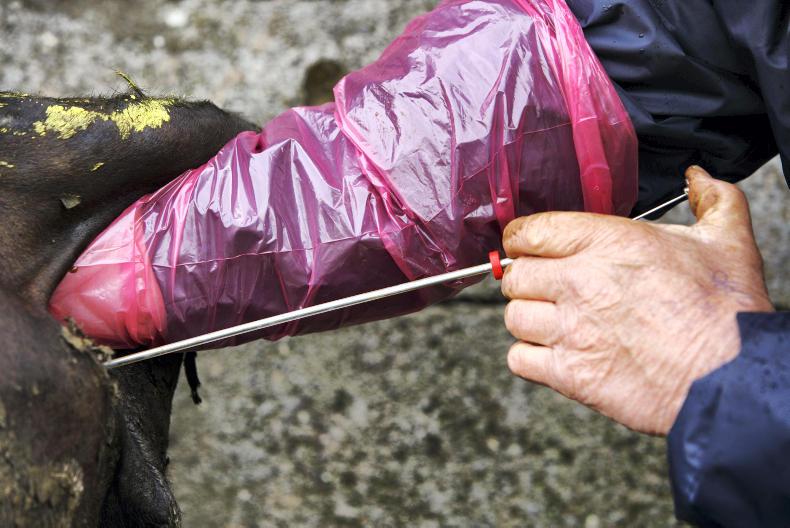
A leptospirosis vaccine is usually given to cows and maiden heifers at this time of year. The country is almost entirely sold out of the vaccine this year due to difficulties getting it manufactured. There are two vaccines on the market and both are sold out and it could be as late as November before they are freely available again. Lepto is endemic in Ireland so not vaccinating does pose a risk. Journal vet Tommy Heffernan says that farmers who normally vaccinate but haven’t been able to get it this year should be more aware of biosecurity. Only buy in animals such as stock bulls that have been recently vaccinated for lepto. Don’t buy in animals from unknown sources but if it is unavoidable, these animals could be put on a course of antibiotics to clear up any underlying infections. A lepto outbreak can cause milk drop and infertility and is a zoonotic disease meaning humans can pick it up from infected livestock.
PAYE
ADVERTISEMENT
The new PAYE tax system from Revenue continues to pose problems for farmers, particularly around part-time or relief staff. You can no longer report what you paid to someone retrospectively as Revenue now wants to know in advance what employees are getting paid. It shouldn’t be an issue with salaried employees as these can easily be set up on payroll software, a service many accountants now offer. The issue is with part-time employees that work variable hours. By law, Revenue needs to be notified of the hours worked and the rate of pay before they are paid, through the Revenue online system. This will determine how much PAYE and PRSI has to be paid at source. There are big fines for those not complying. There are two ways around the changes. The first is to arrange the employment through Farm Relief Services or some other agency, but this might add extra cost. The other is to get the part-time employee set up as a contractor, where they invoice the farmer for the work done. In this case they will become self-employed which may or may not be suitable for their particular circumstances. I’m told that an invoice for the hours worked with the person’s name and PPS number is accepted by Revenue. If the employee is becoming self-employed, it will be up to them to sort out their tax affairs.
Fertiliser
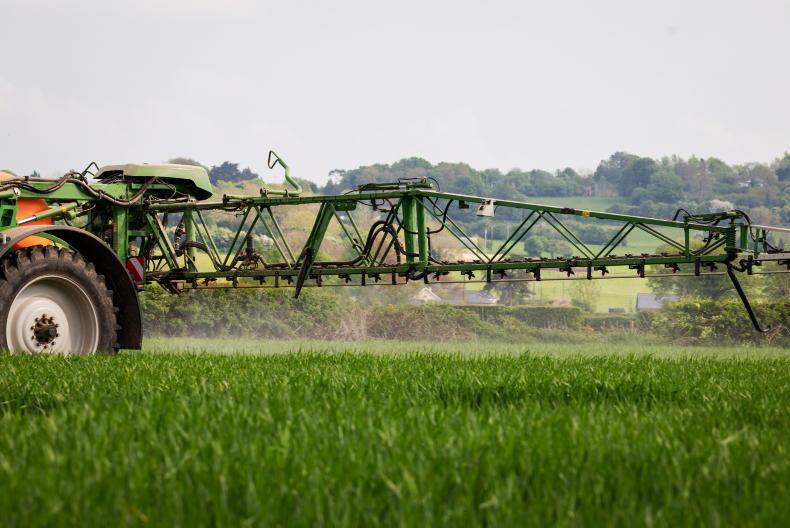
If spreading fertiliser for silage ground now, and expecting an early June cut, you need to cut back on the amount of potash being spread, or risk milk fevers next spring. At this stage, the most of potash I would be spreading is 75kgK/ha (60 units/acre). We know first-cut silage will need more at 100kgK/ha, but spreading this now is a big risk. The advice is to top up with what you didn’t spread now, after cutting the silage so you are not depleting soil reserves. Similarly, nitrogen might also need to be cut back. A typical rule of thumb is that nitrogen uses two units/day in good growing conditions. So if there are 50 days between spreading and cutting, the most that should be spread now is 100 units/ac. Keep going with nitrogen on grazing ground. Because grass has been growing so well all along it will have used up more soil nitrogen reserves.
Register for free to read this story and our free stories.
This content is available to digital subscribers and loyalty code users only. Sign in to your account, use the code or subscribe to get unlimited access.
The reader loyalty code gives you full access to the site from when you enter it until the following Wednesday at 9pm. Find your unique code on the back page of Irish Country Living every week.
CODE ACCEPTED
You have full access to the site until next Wednesday at 9pm.
CODE NOT VALID
Please try again or contact support.
Lepto
A leptospirosis vaccine is usually given to cows and maiden heifers at this time of year. The country is almost entirely sold out of the vaccine this year due to difficulties getting it manufactured. There are two vaccines on the market and both are sold out and it could be as late as November before they are freely available again. Lepto is endemic in Ireland so not vaccinating does pose a risk. Journal vet Tommy Heffernan says that farmers who normally vaccinate but haven’t been able to get it this year should be more aware of biosecurity. Only buy in animals such as stock bulls that have been recently vaccinated for lepto. Don’t buy in animals from unknown sources but if it is unavoidable, these animals could be put on a course of antibiotics to clear up any underlying infections. A lepto outbreak can cause milk drop and infertility and is a zoonotic disease meaning humans can pick it up from infected livestock.
PAYE
The new PAYE tax system from Revenue continues to pose problems for farmers, particularly around part-time or relief staff. You can no longer report what you paid to someone retrospectively as Revenue now wants to know in advance what employees are getting paid. It shouldn’t be an issue with salaried employees as these can easily be set up on payroll software, a service many accountants now offer. The issue is with part-time employees that work variable hours. By law, Revenue needs to be notified of the hours worked and the rate of pay before they are paid, through the Revenue online system. This will determine how much PAYE and PRSI has to be paid at source. There are big fines for those not complying. There are two ways around the changes. The first is to arrange the employment through Farm Relief Services or some other agency, but this might add extra cost. The other is to get the part-time employee set up as a contractor, where they invoice the farmer for the work done. In this case they will become self-employed which may or may not be suitable for their particular circumstances. I’m told that an invoice for the hours worked with the person’s name and PPS number is accepted by Revenue. If the employee is becoming self-employed, it will be up to them to sort out their tax affairs.
Fertiliser
If spreading fertiliser for silage ground now, and expecting an early June cut, you need to cut back on the amount of potash being spread, or risk milk fevers next spring. At this stage, the most of potash I would be spreading is 75kgK/ha (60 units/acre). We know first-cut silage will need more at 100kgK/ha, but spreading this now is a big risk. The advice is to top up with what you didn’t spread now, after cutting the silage so you are not depleting soil reserves. Similarly, nitrogen might also need to be cut back. A typical rule of thumb is that nitrogen uses two units/day in good growing conditions. So if there are 50 days between spreading and cutting, the most that should be spread now is 100 units/ac. Keep going with nitrogen on grazing ground. Because grass has been growing so well all along it will have used up more soil nitrogen reserves.
If you would like to speak to a member of our team, please call us on 01-4199525.
Link sent to your email address
We have sent an email to your address. Please click on the link in this email to reset your password. If you can't find it in your inbox, please check your spam folder. If you can't find the email, please call us on 01-4199525.
ENTER YOUR LOYALTY CODE:
The reader loyalty code gives you full access to the site from when you enter it until the following Wednesday at 9pm. Find your unique code on the back page of Irish Country Living every week.






SHARING OPTIONS