Milk price: another savage round of milk price cuts have been wielded by the dairy co-ops for September milk deliveries.
If milk prices remain unchanged for the rest of the year, the impact on milk receipts will be a reduction of between €5,200 and €9,500 for a typical supplier depending on who they supply milk to. In many ways, it won’t be until next spring that the real impacts of the milk price cuts will be felt, as higher solids are pushing up the received price now.
Some of the co-ops are saying that more price cuts are to come. Depending on where it lands, milk price is getting closer and closer to cost of production, meaning margin will be seriously squeezed next spring if the market doesn’t change. There are three takeaways from this episode;
Market volatility is massive.Predicting future milk prices in the current climate is foolish. Irish dairy farmers are really exposed to market fluctuations. Given these facts, what can Irish farmers do? The answer has to be to reduce costs to back under 30c/l or €3.50/kg MS. This is the only hope the sector has of making a good margin when prices are low. New Zealand farmer Simon Lynskey and Limerick farmer Peter Cagney will be discussing this topic with advisor Ashely Primrose at Dairy Day on 15 November.
Grazing: heavy rain last weekend of up to 70mm in some places has made heavier soils more difficult to manage. The long-range forecast is pretty good for the time of year so in the main, the situation on farm is good. Grass is a different story though and while the average figures on Pasturebase might be OK, there are lots of farms running very tight on grass.
If we expect growth rates to be around 20kg/day for the next week, that means that farms with a demand of 40kg/day will be losing 140kg off their average farm cover (AFC) over the course of a week. If this continues for two weeks, almost 300kg will be knocked off the AFC.
Farms at less than 600kg/ha of AFC today could be down to 300kg by early November which is far too low. To make it simple, AFC should be around 800kg/ha now which is a pre-grazing yield of around 1,600kg/ha. If substantially lower than this, sell cull cows and start feeding silage to preserve grass for next spring.
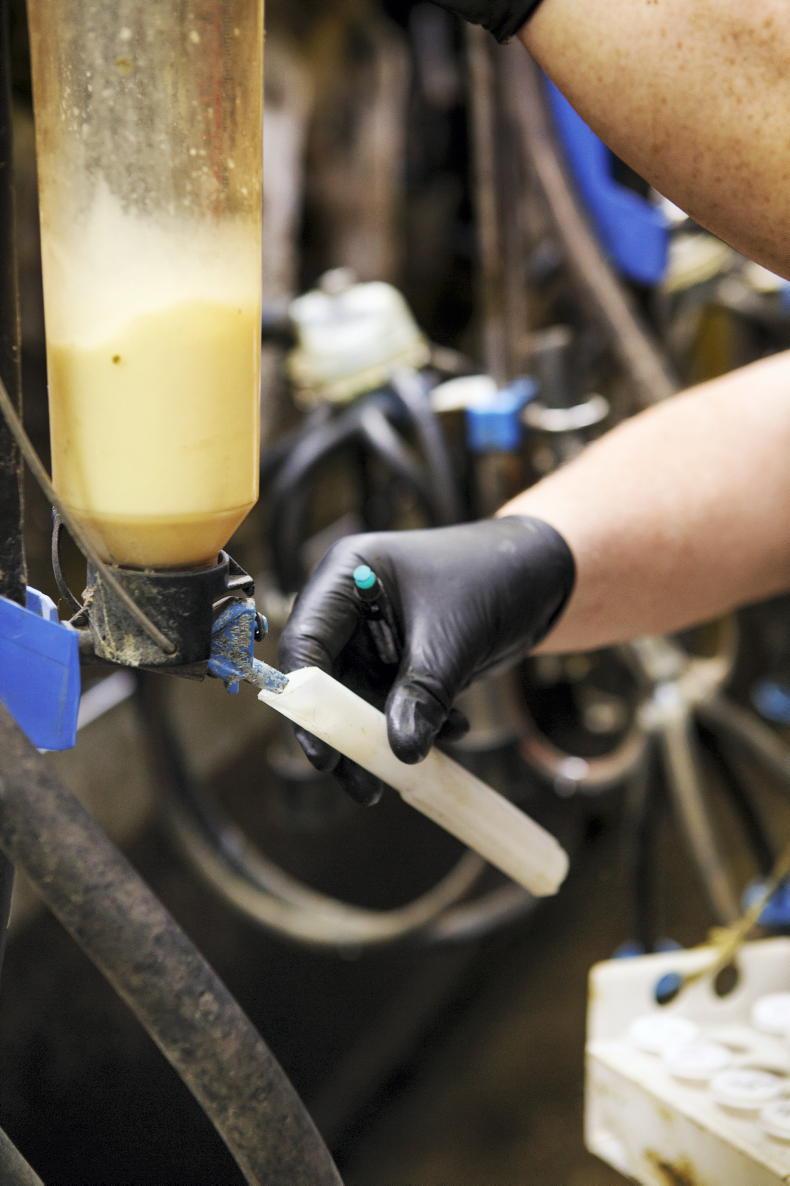
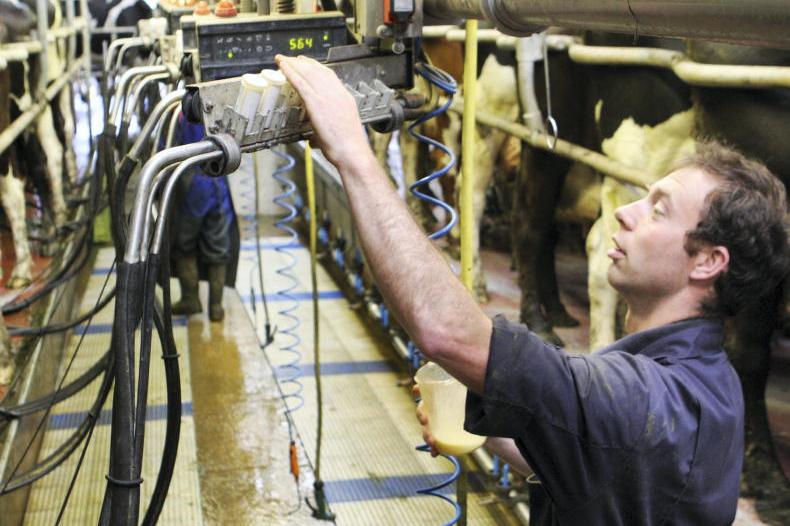
Milk recording: herds that calve in January will soon be drying off cows. Young cows and thin cows will need 10 or 12 weeks dry to build condition score and recover from the lactation. A key step in advance of drying off is to milk record to know what cows are suitable for selective dry cow therapy and what cows need an antibiotic to help cure an infection. Book the milk recording in in plenty of time, as technicians will be busy at this time of year and it takes a few days for the results to come back.
As cows are generally milking very well, they will need to be put on a restricted diet prior to drying off. The general advice is that they should be milking no more than 12l per day at drying off. Use restricted feed rather than once a day milking to reduce milk yield.
Milk price: another savage round of milk price cuts have been wielded by the dairy co-ops for September milk deliveries.
If milk prices remain unchanged for the rest of the year, the impact on milk receipts will be a reduction of between €5,200 and €9,500 for a typical supplier depending on who they supply milk to. In many ways, it won’t be until next spring that the real impacts of the milk price cuts will be felt, as higher solids are pushing up the received price now.
Some of the co-ops are saying that more price cuts are to come. Depending on where it lands, milk price is getting closer and closer to cost of production, meaning margin will be seriously squeezed next spring if the market doesn’t change. There are three takeaways from this episode;
Market volatility is massive.Predicting future milk prices in the current climate is foolish. Irish dairy farmers are really exposed to market fluctuations. Given these facts, what can Irish farmers do? The answer has to be to reduce costs to back under 30c/l or €3.50/kg MS. This is the only hope the sector has of making a good margin when prices are low. New Zealand farmer Simon Lynskey and Limerick farmer Peter Cagney will be discussing this topic with advisor Ashely Primrose at Dairy Day on 15 November.
Grazing: heavy rain last weekend of up to 70mm in some places has made heavier soils more difficult to manage. The long-range forecast is pretty good for the time of year so in the main, the situation on farm is good. Grass is a different story though and while the average figures on Pasturebase might be OK, there are lots of farms running very tight on grass.
If we expect growth rates to be around 20kg/day for the next week, that means that farms with a demand of 40kg/day will be losing 140kg off their average farm cover (AFC) over the course of a week. If this continues for two weeks, almost 300kg will be knocked off the AFC.
Farms at less than 600kg/ha of AFC today could be down to 300kg by early November which is far too low. To make it simple, AFC should be around 800kg/ha now which is a pre-grazing yield of around 1,600kg/ha. If substantially lower than this, sell cull cows and start feeding silage to preserve grass for next spring.
Milk recording: herds that calve in January will soon be drying off cows. Young cows and thin cows will need 10 or 12 weeks dry to build condition score and recover from the lactation. A key step in advance of drying off is to milk record to know what cows are suitable for selective dry cow therapy and what cows need an antibiotic to help cure an infection. Book the milk recording in in plenty of time, as technicians will be busy at this time of year and it takes a few days for the results to come back.
As cows are generally milking very well, they will need to be put on a restricted diet prior to drying off. The general advice is that they should be milking no more than 12l per day at drying off. Use restricted feed rather than once a day milking to reduce milk yield.
SHARING OPTIONS