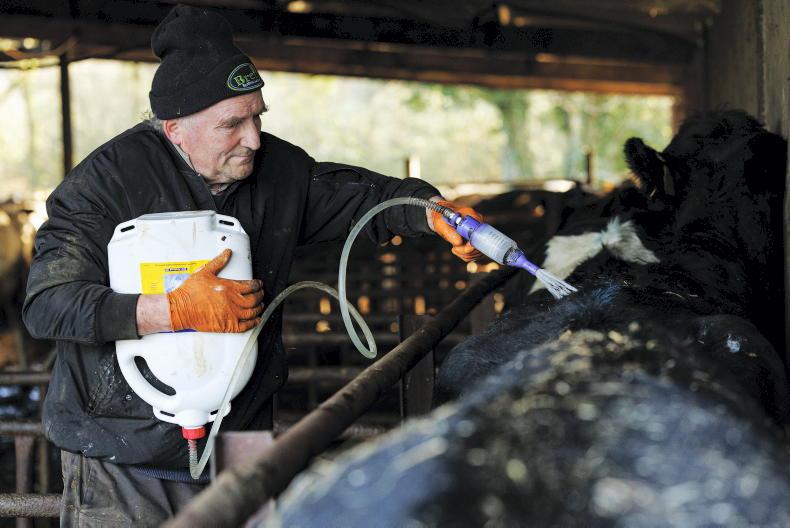
Where milk fever is a problem some farmers are now routinely giving a calcium bolus to high-risk cows at calving.
ADVERTISEMENT
BVD:
So far this year, 403 herds have had calves with a positive test result for BVD. Some of these herds have never had a positive result from a tag tissue sample before. An animal is considered persistently infected (PI) if the initial test result or subsequent retests are positive or inconclusive. In such cases, a veterinary investigation must take place to identify the source of the infection and this is paid for by the Department of Agriculture. There is also compensation of €150 for heifer calves and €30 for bull calves if the calves are removed within three weeks of the test result. It is likely that the dam of the calf became transiently infected between 30 and 120 days into pregnancy. This occurred when she was exposed to a PI animal and as a result her foetus became a PI. Where there were no previous PI calves born in the herd, then she must have picked it up from neighbouring animals. Be extra wary of bought-in animals, either on your farm or your neighbours’. If we are to ever eradicate the disease and be in a position to advise farmers to stop vaccinating, we need to remove all PI calves. With some herds now very naive to the virus, the risk to these herds of a BVD outbreak is high.
Milk Fever:
ADVERTISEMENT
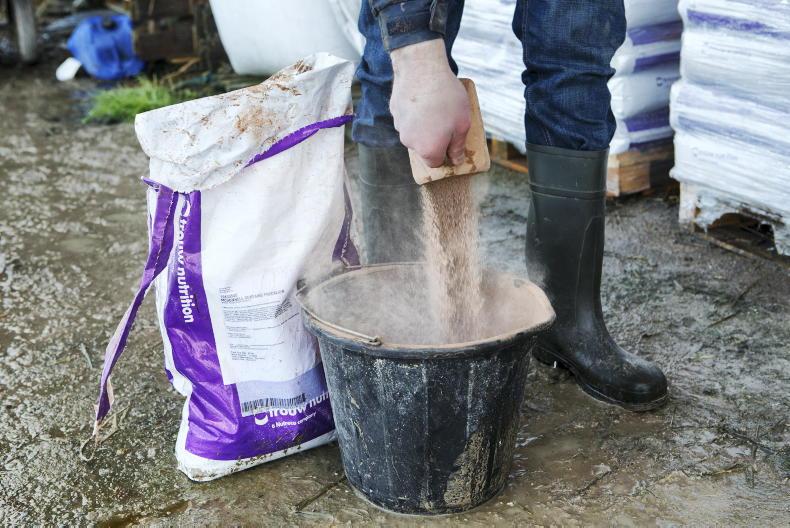
Where milk fever is a problem, some farmers are now routinely giving a calcium bolus to high-risk cows at calving. The bolus should be given at or up to two hours before calving. Identify and treat the high-risk cows – these are third lactation-plus or high-yielders. Others feed extra magnesium pre-calving. One farmer I was speaking to dissolves about 60g per cow of magnesium chloride flakes in warm water, adds molasses and pours it on the silage to the dry cows. The molasses helps to make it more palatable. Alternatively, dissolve the magnesium flakes in the drinking water. Magnesium flakes should be fed in addition to the normal pre-calving mineral. Milk fever is caused by not enough calcium in the blood, but magnesium helps to release calcium into the blood stream.
Weather work:
After a great start to 2017 the last week has been testing. With many herds housed and the prospect of grazing over the next few days limited for those on heavy soils, extra work is required to keep the show going. Milking takes longer because there are more cows and they need to be cleaned and stripped, cubicles need to be scraped and limed, cows need to be fed and there are more calves to be fed, bedded and looked after. Identify the priority jobs for you and people working on the farm. Reduce the workload by selling bull calves and contracting out all of the machinery work. Is there anyone in your locality who would take over one job on the farm? Jobs such as feeding older calves, cleaning cubicles or bedding pens don’t need much brain power or supervision but they do take up time. Identify the €10/hour jobs and the €100/hour jobs. The more €100/hour jobs you can do, the more money you will make. With the big burst of calving now close to ending on many farms, ease back on the night supervisions and get more sleep.
Register for free to read this story and our free stories.
This content is available to digital subscribers and loyalty code users only. Sign in to your account, use the code or subscribe to get unlimited access.
The reader loyalty code gives you full access to the site from when you enter it until the following Wednesday at 9pm. Find your unique code on the back page of Irish Country Living every week.
CODE ACCEPTED
You have full access to the site until next Wednesday at 9pm.
CODE NOT VALID
Please try again or contact support.
BVD:
So far this year, 403 herds have had calves with a positive test result for BVD. Some of these herds have never had a positive result from a tag tissue sample before. An animal is considered persistently infected (PI) if the initial test result or subsequent retests are positive or inconclusive. In such cases, a veterinary investigation must take place to identify the source of the infection and this is paid for by the Department of Agriculture. There is also compensation of €150 for heifer calves and €30 for bull calves if the calves are removed within three weeks of the test result. It is likely that the dam of the calf became transiently infected between 30 and 120 days into pregnancy. This occurred when she was exposed to a PI animal and as a result her foetus became a PI. Where there were no previous PI calves born in the herd, then she must have picked it up from neighbouring animals. Be extra wary of bought-in animals, either on your farm or your neighbours’. If we are to ever eradicate the disease and be in a position to advise farmers to stop vaccinating, we need to remove all PI calves. With some herds now very naive to the virus, the risk to these herds of a BVD outbreak is high.
Milk Fever:
Where milk fever is a problem, some farmers are now routinely giving a calcium bolus to high-risk cows at calving. The bolus should be given at or up to two hours before calving. Identify and treat the high-risk cows – these are third lactation-plus or high-yielders. Others feed extra magnesium pre-calving. One farmer I was speaking to dissolves about 60g per cow of magnesium chloride flakes in warm water, adds molasses and pours it on the silage to the dry cows. The molasses helps to make it more palatable. Alternatively, dissolve the magnesium flakes in the drinking water. Magnesium flakes should be fed in addition to the normal pre-calving mineral. Milk fever is caused by not enough calcium in the blood, but magnesium helps to release calcium into the blood stream.
Weather work:
After a great start to 2017 the last week has been testing. With many herds housed and the prospect of grazing over the next few days limited for those on heavy soils, extra work is required to keep the show going. Milking takes longer because there are more cows and they need to be cleaned and stripped, cubicles need to be scraped and limed, cows need to be fed and there are more calves to be fed, bedded and looked after. Identify the priority jobs for you and people working on the farm. Reduce the workload by selling bull calves and contracting out all of the machinery work. Is there anyone in your locality who would take over one job on the farm? Jobs such as feeding older calves, cleaning cubicles or bedding pens don’t need much brain power or supervision but they do take up time. Identify the €10/hour jobs and the €100/hour jobs. The more €100/hour jobs you can do, the more money you will make. With the big burst of calving now close to ending on many farms, ease back on the night supervisions and get more sleep.
If you would like to speak to a member of our team, please call us on 01-4199525.
Link sent to your email address
We have sent an email to your address. Please click on the link in this email to reset your password. If you can't find it in your inbox, please check your spam folder. If you can't find the email, please call us on 01-4199525.
ENTER YOUR LOYALTY CODE:
The reader loyalty code gives you full access to the site from when you enter it until the following Wednesday at 9pm. Find your unique code on the back page of Irish Country Living every week.







SHARING OPTIONS