



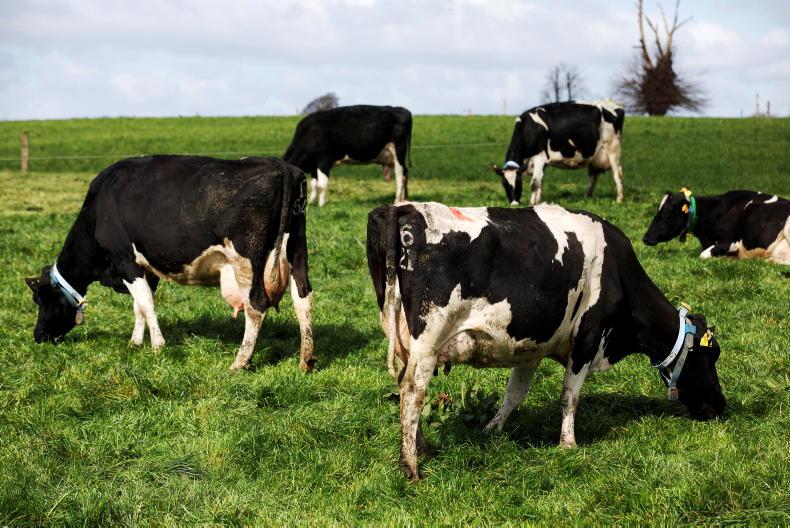
For the first time in weeks, there is little or no rain forecast. This is the weather that farmers have been looking for. Land is still soft in many parts after very heavy rain all last week. Free-draining land is drying out quickly and cows should be out day and night where they can.
Elsewhere, it’s a case of on-off grazing where possible. The incentive must be to save silage for next year but the advantages of getting cows out goes way beyond that. Silage is going to be very expensive to make this year. With less fertiliser available yields are likely to be back on other years.
What fertiliser is available is two or three times the normal price and diesel is very expensive also. At a conservative estimate, silage costs per acre are going to increase by 30% this year. Farmers must have enough feed for their stock next winter. The option of feeding straw and meal is not going to be there.
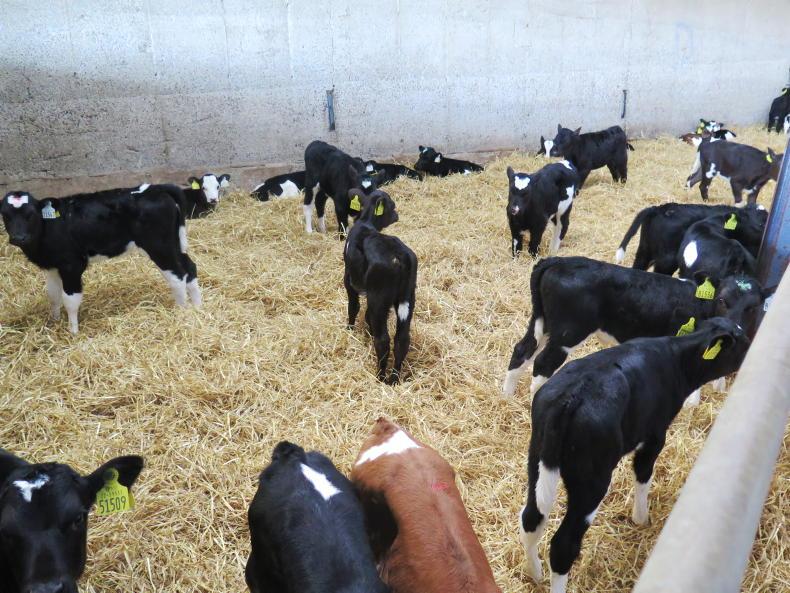
With more settled weather forecast, many farmers will be looking at getting some of the older calves out to grass. The advantage of turning out calves is that they have less exposure to bad bugs when outside compared to being in a shed. As outlined on page 37, calf immunity prevents disease and building a strong immunity relies on good colostrum management and good nutrition.
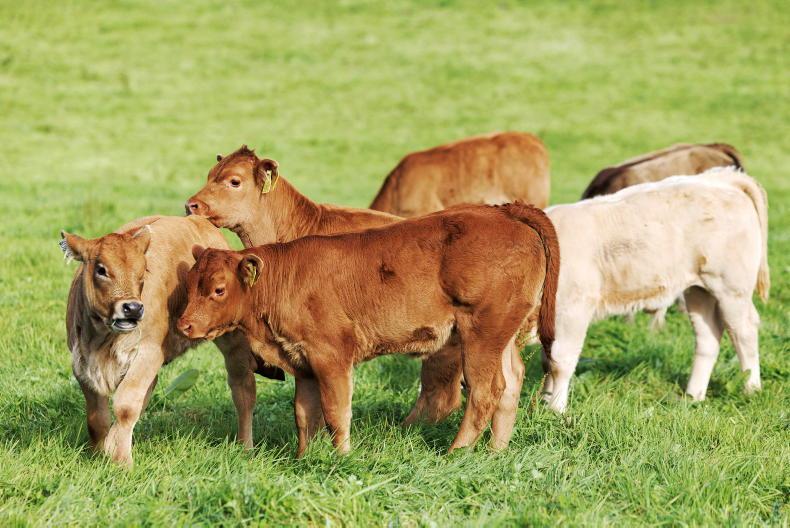
Only strong calves should be turned out and they still require a dry lie and shelter from the elements. You should have a plan for bringing calves back indoors if weather turns very wet again, but in the main they are healthier outdoors. Continue to feed roughage such as straw or haylage even if at grass.
Try and avoid letting calves out to the same paddock year after year and avoid letting them on to fields that have already been grazed by cows for risk of picking up salmonella or parasites. Clean pastures are definitely best for young calves. The primary diet will still be milk but because they lick everything they risk picking up disease.
Speaking of parasites, Animal Health Ireland (AHI) is organising a fully funded vet visit and consultation on parasite control and two faecal egg counts for every livestock farm in the country. The costs are covered by the Rural Development Plan and farmers can register on the AHI website.
The majority of farms have little or no chemical nitrogen applied yet. The next four weeks are probably the most critical time of year to apply nitrogen as the response will be greatest. Rising soil temperatures and longer daylight hours will increase grass growth rates anyway, but adding chemical nitrogen will accelerate this further.
It’s critically important that farmers capture as much of this growth as possible and either convert it to milk through grazing or winter feed through silage.
I would say that no matter how scarce nitrogen is on farms, applying it before the middle of April will give the best return. Other sources of nitrogen are soil reserves (needs high pH for it to be available), slurry and clover.
More on red clover here.




SHARING OPTIONS