



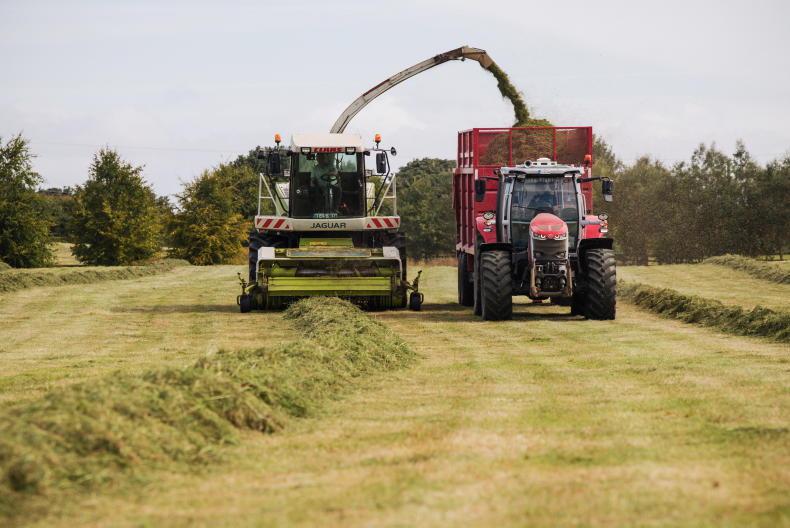
Given that many herds have grazed planned silage crops during the last month and are likely to be short of grass and feeding out silage for the next few weeks, now is an important time to access winter feed levels.
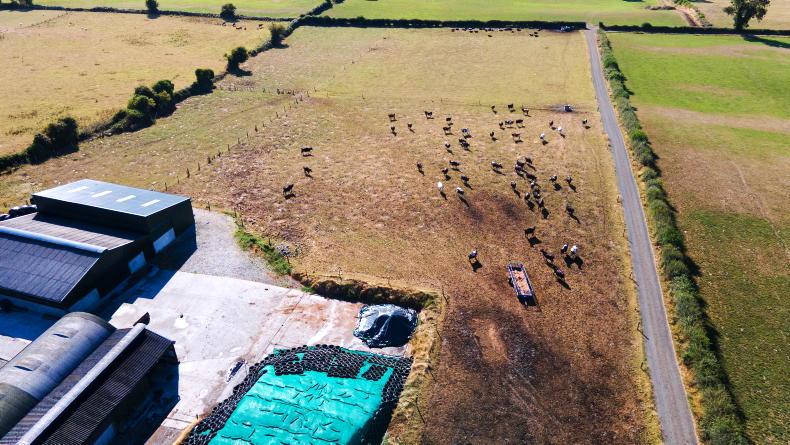
Begin by estimating how much silage is in the pits (with each 1m3 equivalent to 0.17t DM) and then count the number of bales in the yard (with each bale equivalent to 0.22t DM) in addition to any other feeds available.
You will need to have approximately 1.2t DM per cow or in-calf heifer and 0.8t per yearling heifer for the average winter of approximately 120 days.
If you are short a lot of feed, now is the time to address the problem. So what are the options?
Selling animals which are surplus to requirement is a good first option, which will save grass from now on and reduce winter feed requirements.
Purchase
It may also be possible to buy silage locally (depending on price and quality) or use forage stretchers now instead of silage to maintain silage reserves for the winter period.
It may also be possible to buy cereals off the combine for storage and feeding later in the year if on-farm facilities allow.
High-quality autumn crops sown in early August (such as redstart, rape, kale and stubble turnips) are good-quality feeds and work well with straw or silage for dry cows or cattle during winter.
While grass growth is low currently, these crops can grow considerable yields between now and when they will be used during late autumn, saving on silage requirements particularly on dry farms.
If a big deficit exists today, in a tight financial year, identifying what is needed now and using a combination of the above feed options may be the cheapest solution.



SHARING OPTIONS