



The O’ Gorman story is an inspiring one, a story of hard work, succession and progression neatly wrapped into one.
It all began back in 1965 when two brothers by the names of Paddy and John O’ Gorman, inherited the home farm at the young ages of 25 and 23 respectively.
They had a vision at that early stage of growing and developing the farm into something bigger and better and that’s exactly what they set about doing.
Over the next 24 years up to 1989, they would go on purchase a total of 230 acres bringing the farm to 300 acres in total with 200 milking cows.
The two men worked extremely hard over the years to set the farm up for future generations.
Succession
In 2007, after completing Agricultural Science in UCD, Paddy’s son Ollie returned home to farm. The three worked together for almost two years, with both Paddy and John affording Ollie the opportunity to try new things and push the boundaries.
John’s son Michael was also interested in farming. In 2009 after completing an apprenticeship as an Electrician, Michael decided to return home and join the business.
That year, the decision was taken by Paddy and John to dissolve their partnership and split the business equally between their two sons to give them scope to manage and run their own unique businesses.
In early 2009, the herd was split evenly based on calving dates. Ollie got 96 cows and 150 acres of land, while Michael also got 96 cows and the other 150 acres.
A second yard with a parlour was built and now the two farms while still side by side could operate individually.
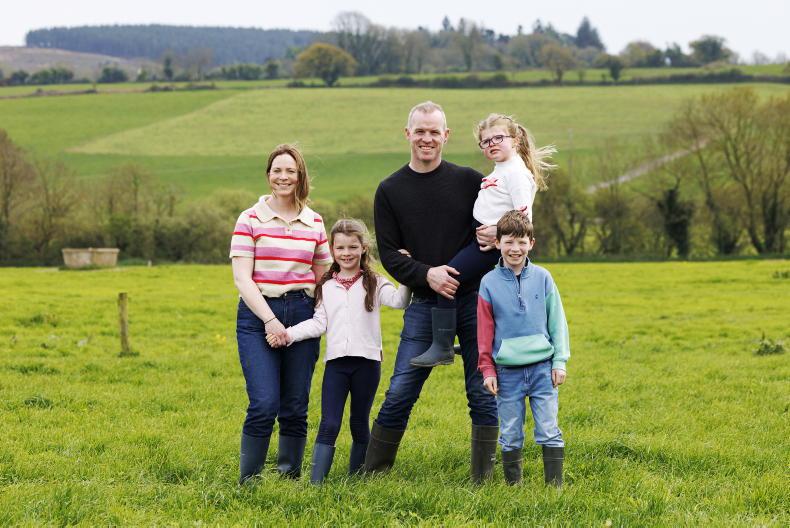
Michael and Noreen O’ Gorman
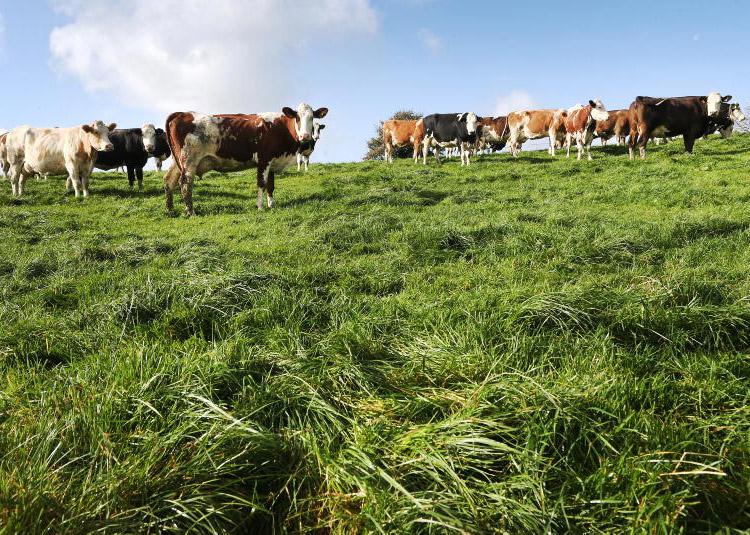
Today, Michael and his wife Noreen are milking 200 cows across a 60ha milking platform with a total farm area of 111ha’s.
With little opportunity to add more land to the milking block, the couple have invested in outfarms which have allowed them to increase stocking rate and cow numbers on the home block.
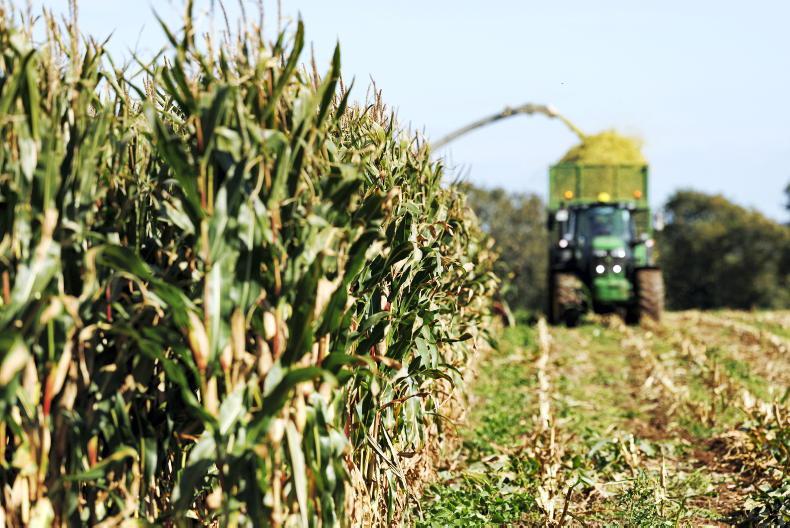
The current milking platform stocking rate is 3.2 cows/ha with the outside ground used for silage, some zero-grazing and calf-rearing.
The herd is crossbred with an EBI of €160. Michael began crossbreeding the original herd back in 2009 as he felt the cows were underperforming in terms of milk solids. Fertility was never an issue but fat and protein percentages of the herd were low.
In 2009, the herd produced 350kg of milk solids/cow on average, in 2025, the herd done 568kg of milk solids/cow with fat at 5.19% and protein at 3.94%.
The total intake of the cows was 5.9t DM, 3.1t of this was as grazed grass, 1.1t as meal, 0.25t as palm kernel, 0.25t of zero-grazed grass and 1.2t of silage. Six-week calving rate was 93% and the farm grew 12.5t of grass in 2025.
Cost-cutting is a big focus for the farm this year with milk price the driving factor. The costs in 2025 for the business were reported on the day as 34.15c/l. This figure excluded the labour cost.
Reducing meal feeding was one the cost saving methods that Michael had targeted for 2026. So far this year, the cows have eaten 495kg of meal, a 30% reduction on last year’s figure of 710kg for the same date.
The milk solids yield of the herd, year to date is exactly the same as where it was last year at 289kg/cow despite the reduced feeding level.
The average net profit/ha between 2021 and 2025 on Michael's farm was €2,921/ha.
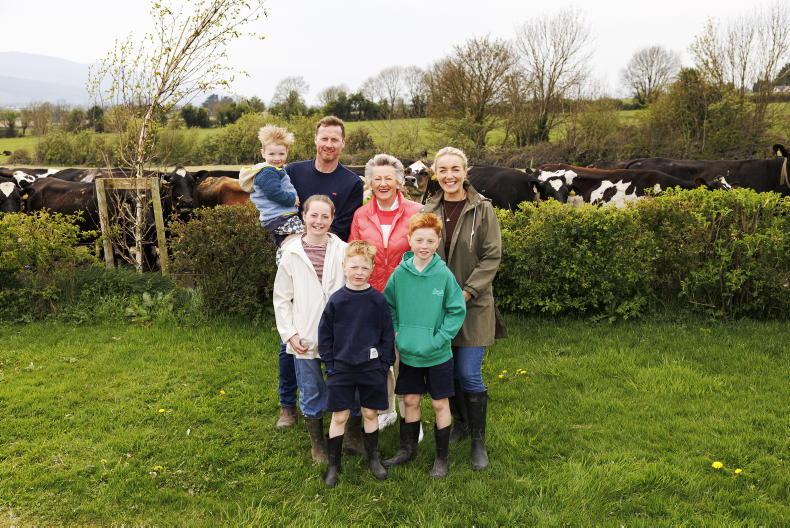
Ollie and Anna O’ Gorman
Ollie and Anna O’ Gorman who are farming next door to Michael, are currently milking 324 cows on the home farm. The way luck had it, after the original split in 2009, any land that came up around the two farms came up on Ollie’s side.
In 2016, Ollie managed to lease an additional 100 acres into the home platform giving a total milking platform area of 120ha, with a stocking rate of 2.7 cows/ha.
As well as growing the home farm, Ollie is also involved in several other units. Since 2015, Ollie’s brothers David and Patrick have gotten involved in the business and between them, they are now milking just under 1,000 cows across a total of five milking blocks.
Each brother runs their own individual unit, while the two additional units are managed between David and Ollie.
The system on the home farm is implemented across all five farms for ease of management and to allow for a crossover of staff between the farms.
In 2025, the cows on the home farm produced 465kg of milk solids at 5% fat and 3.96% protein.
The herd is crossbred with the cows very similar to Michael’s. The EBI is the exact same at €160, while the six-week calving rate of Ollie’s herd is 86%.
Despite having the same cow type and the exact same EBI, the solids produced on Ollie’s farm are close to 100kg’s less than that of Michael’s.
There’s a couple of reasons for this, Ollie pointed out but less concentrates is not one of them.
Although he is feeding less meal with 864kg/cow fed in 2025, the lower stocking rate means cows are eating closer to 4t DM/cow as grass, compared to the 3.1t/cow on Michael’s farm so this is not the reason.
The primary reason is that to allow the business to grown and have cows ready to go on other units, Ollie kept pretty much anything that went in-calf.
There was no voluntary culling done and therefore under-performing cows and late calvers are dragging down the average of the herd.
As all five farms are now at capacity, poor performers, later-calving cows, lame cows and high SCC cows can be culled which will help to improve the average.
“We’re about two years away from having the herds where we want them. We have plenty of replacements this year which will help to move things along” Ollie said.
Challenge
The challenge of growing the business is something that Ollie, Patrick and David have relished.
It’s taken time and a lot of effort to get it to where it is today but it’s something the lads say they have embraced.
Working together has also allowed them to find a balance between working and enjoying what life brings.
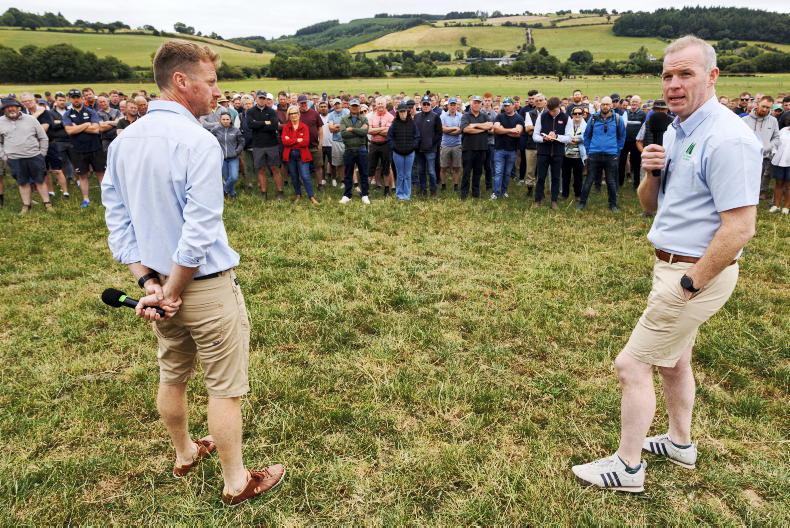
Although Michael's farm is a separate entity, the four men share regular contact. Bouncing ideas, picking bulls and making grass decisions are all done together with the original family feel to the business still very much intact.
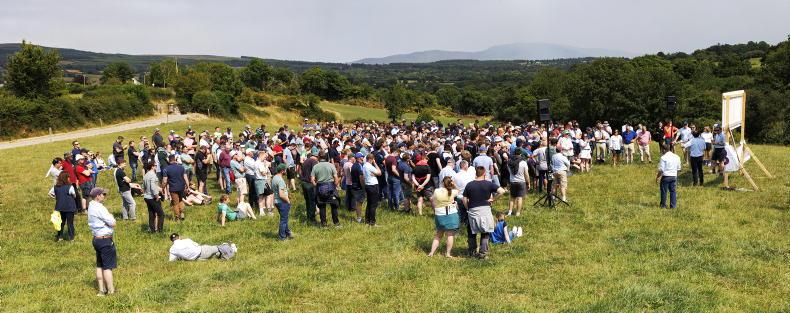
There will be more on the IGA summer tour over the coming weeks in the Irish Farmers Journal.



SHARING OPTIONS