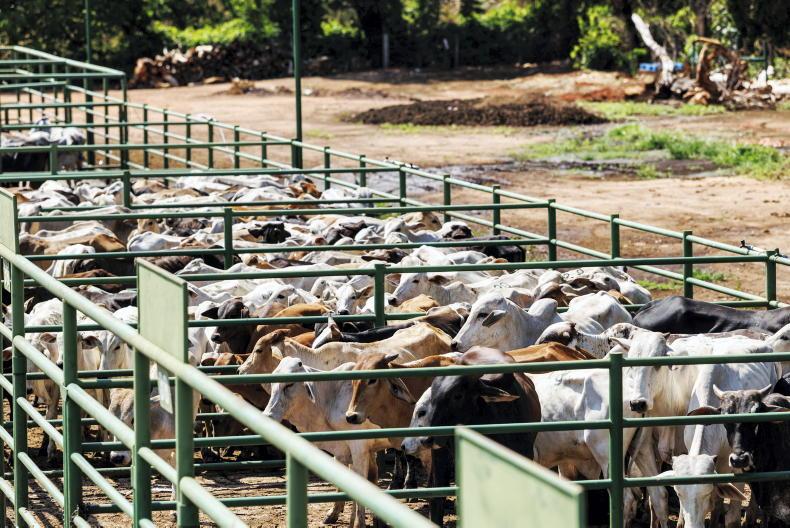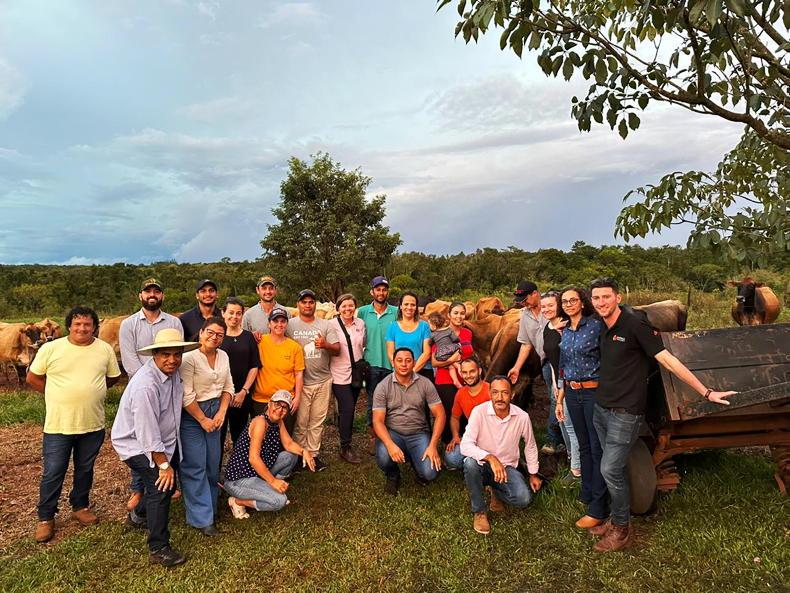
Everything we hear about Brazilian agriculture in Europe is negative; from cutting down the rainforest to grazing more cattle and growing more soya beans, to its beef production using growth hormones and having no traceability.
However, a visit to Brazil as part of the Nuffield International Global Focus Programme (GFP) painted a different picture.
A massive 66% of Brazil’s total land area is conserved for nature. Depending on the biome you farm in, you must preserve 20% of your farm in the south, and up to 80% of your farm in the north in the Amazon region.
On the percentage of land you can farm, there are additional protections such as for vegetation around waterways, with half the total width being protected on each side of any waterway.
The land that remains can be legally cleared/deforested to farm. Generally, there are no payments to the farmer to protect the area of land that must be protected – they are just legally obliged to do so.
Failure to comply results in fines and being cut off from seasonal lines of credit which a lot of farmers rely on.
We were surprised by these figures.
However, they were consistently quoted by all the people we met.
If you consider the EU is pursuing a policy of “zero deforestation” on imports of what Brazil exports, you have to feel for the farmers operating under such strict rules.
Furthermore, the EU itself is not willing to pay a premium for food with zero deforestation associated.
Huge expansion
Since the 1970s, there has been a huge expansion in Brazilian agriculture. Crop production has increased by 385%, while the land farmed has increased by only 32%. Only 30% of Brazil’s total land area is farmed.
It is the third biggest exporter of food in the world with potential for another 50% growth from improved efficiencies alone.
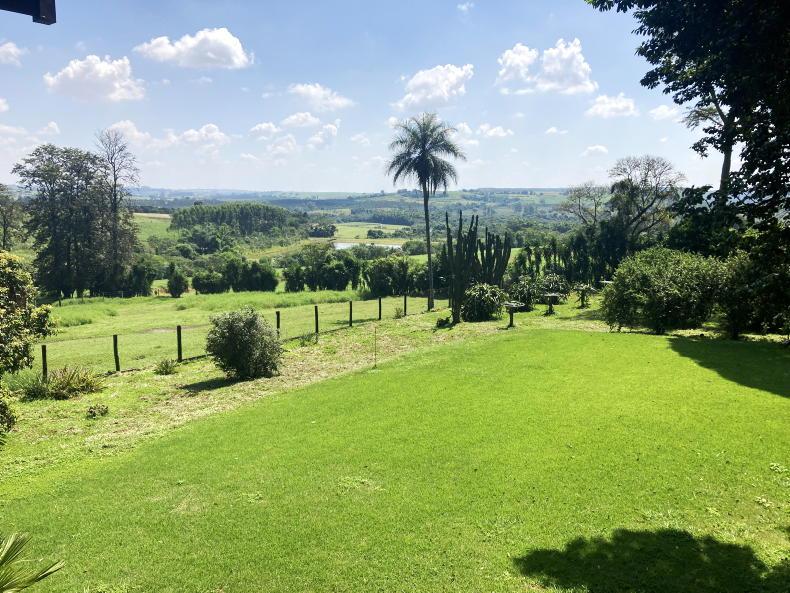
Infrastructure and the sheer size of the country are the big obstacles in the way of growth, with the central and western regions poorly served by roads, rail and ports.
We found standards of farming very high, with operations tending to be quite large. Minimum or no tillage and the latest precision technologies were the norm.
The tropical nature of the climate allows for two, possibly three, harvests in a year. The average age of slaughter of their beef cattle, mainly Zebu or Brangus (a cross of Brahman and Angus), has dropped from five years to 30 months, with rotational grazing and selective breeding being the breakthrough technologies.

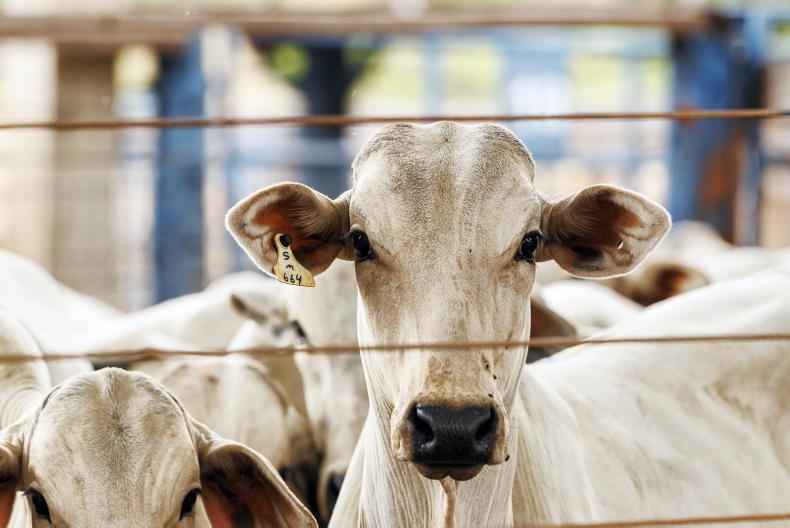
Although traceability is not non-existent, with animal movements between farms being tracked, it is nowhere near the detailed individual animal standard we have in Ireland.
My travels on the GFP actually showed me that the Irish traceability system is fairly unique globally, and something we should be very proud of.
A system like ours has been identified as a way of stopping illegal ranching in the Amazon, preventing the illegal deforestation associated with it by making it considerably harder to get those animals into the supply chain.
Overall, Brazilian agriculture is very impressive, although still developing, and there is huge potential for growth.
We visited agricultural consultancy companies, irrigation, seed and chemical companies, universities, large-scale cropping farms and small-scale dairy farms, agricultural research and innovation hubs, a flower auction, a youth group like our own Macra, a small producers’ co-operative, and flower and vegetable growers.
By chatting with people in these settings, it was clear they were frustrated by the reputation that Brazilian farmers have worldwide. While there are improvements to be made, they seem to be doing a lot right. However, I was left wondering why the good news stories don’t seem to carry any weight?

As part of the Nuffield International GFP, David Dolan visited New Zealand, Brazil, Texas, London and Brussels. His research topic is “net zero - challenges and opportunities for farmers and co-ops”. Applications are now open for the 2024 scholarship programme