



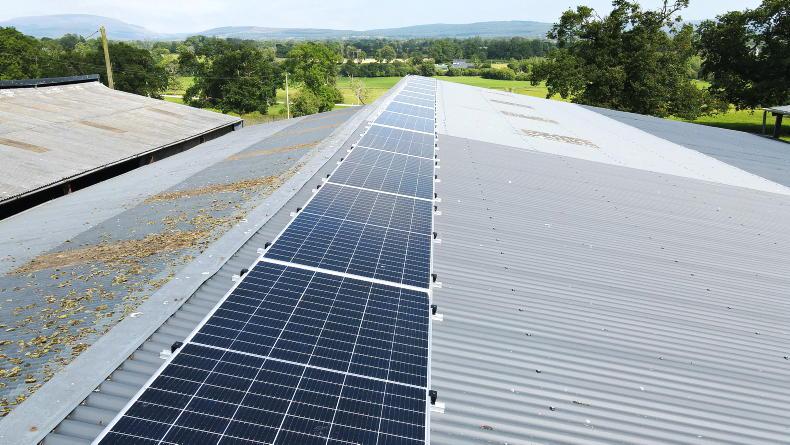
In this week's editon, Stephen Robb outlines what details we have on the new small-scale renewable electricity support scheme. This is the long-awaited scheme that will allow farmers and rural businesses to develop small renewable electricity projects with the sole purpose of exporting electricity to the grid – and getting paid for it.
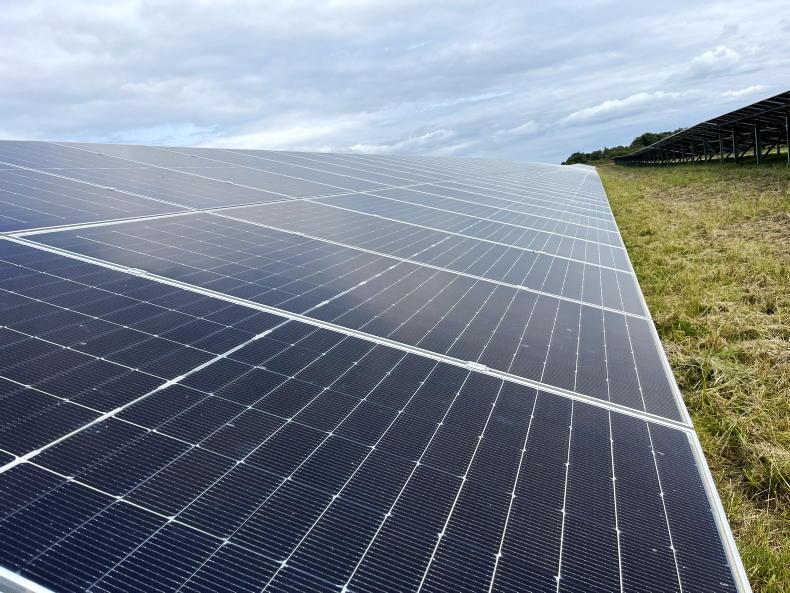
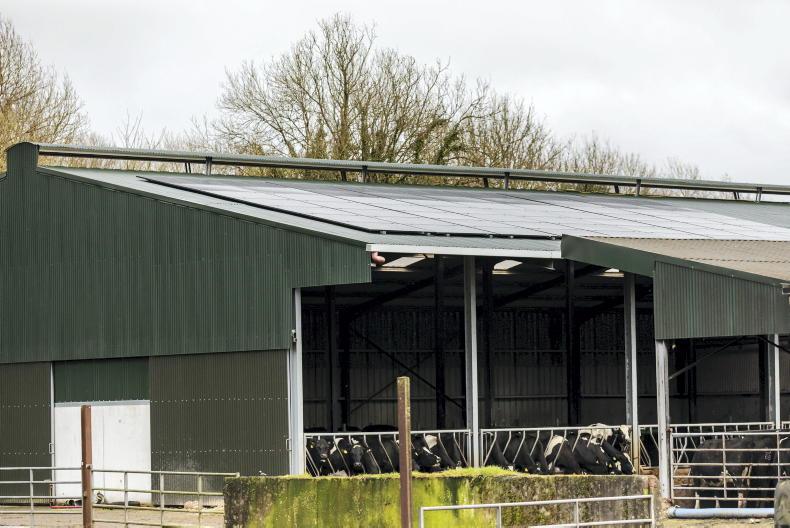
The scheme should allow farmers to cover shed rooftops with solar panels or install a farm wind/water turbine and get paid for exporting electricity to the grid for 15 years.
Applicants to the scheme won’t get a capital grant for the renewable system; instead, they will get a guaranteed price for 15 years. The price has yet to be set.
We await more detail but if the up-front capital cost is too high, farmers might struggle to participate. Farmers shouldn’t have to leverage the farm into significant debt to participate.
The success of this type of venture on farm will be dependent on the financial returns. If large operating costs and loan capital repayments drag the returns down, then it won’t work for farmers and rural Ireland.
Of course, other challenges such as grid connection and planning exist but, overall, this is a very welcome and long-awaited initiative.
Positive moves on apprenticeships
This week also sees two the farm manager and technician apprenticeship courses go live. These two courses are part of a national strategy that will, by the end of 2023, see almost 80 such schemes in operation across a wide range of work roles from carpentry to recreation.
The idea of an apprenticeship is that they are employer-led, demand-driven programmes that develop the skills of those taking part.
In total last year in Ireland, there were 8,286 new registrations and a total number of 26,325 apprentices at year end across the Irish workforce.
The plan that went live this week will hopefully see 20 people sign up for a farm manager apprenticeship in September and 40 for the farm technician roles. The numbers are small to start but we have to be positive that, once up and going, it will grow.
A bigger challenge that the industry has failed to find a real solution to is a career pathway for young, well-trained farm managers that are already on the ladder, but have ambitions to own stock and land.
This new apprenticeship scheme can’t be just a short-term, cheap labour source for farmers. It must provide a viable career path for well trained, enthusiastic young people.



SHARING OPTIONS