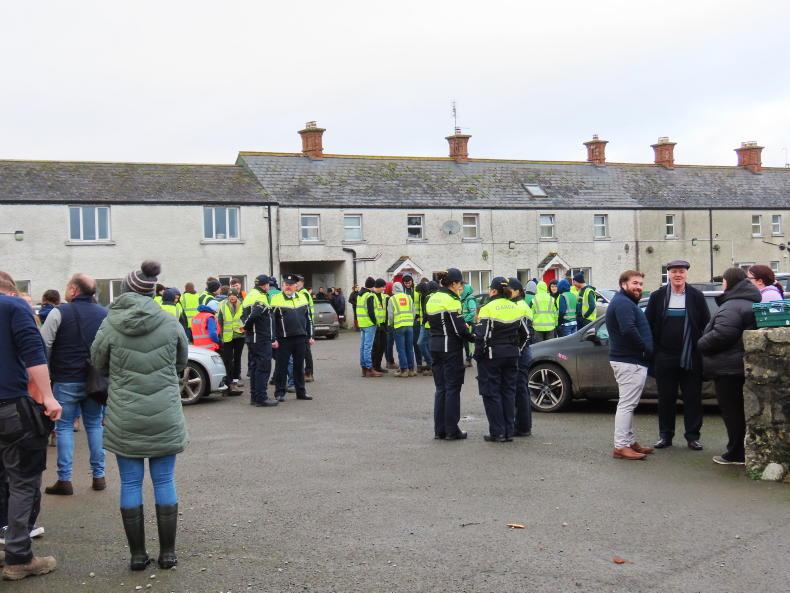
Interested in saving or producing energy on your farm? Here are some key points from the advice given to participants in this week's Energy in Agriculture open day at Gurteen College.
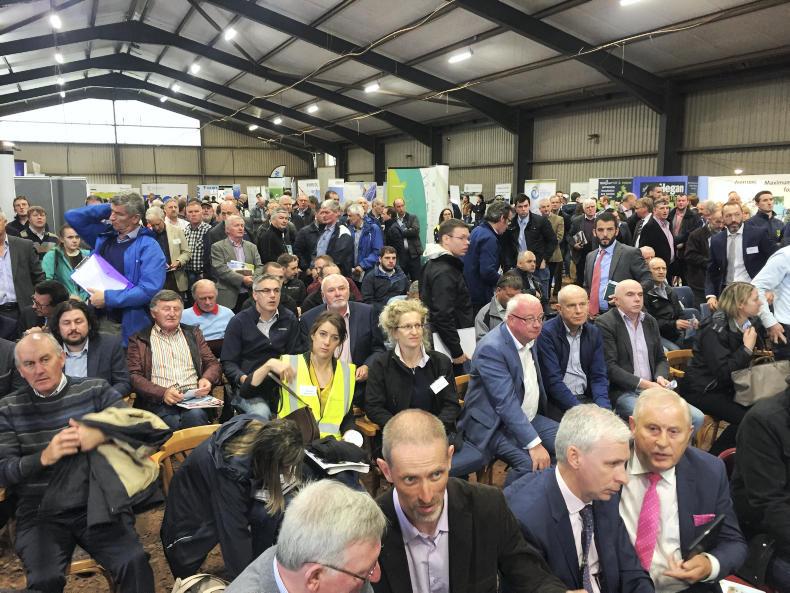
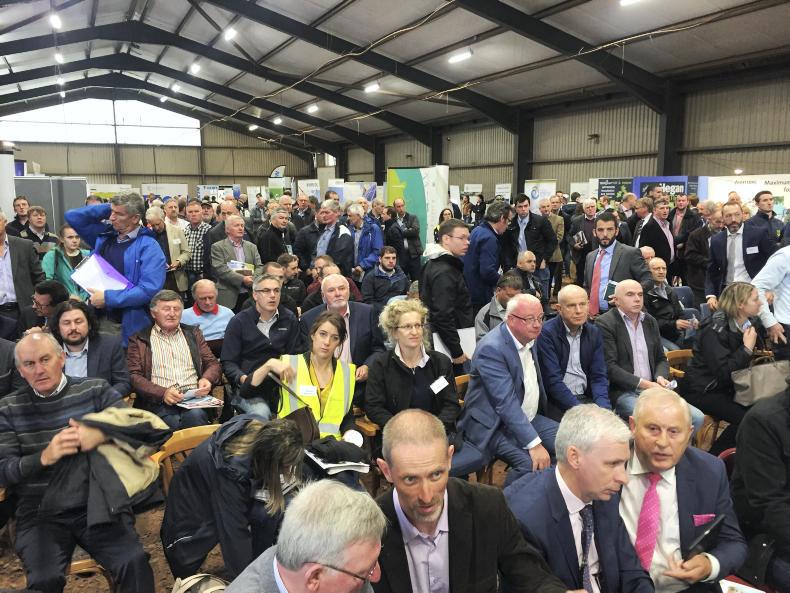
The shed hosting the main exhibition area of the Energy in Agriculture conference at Gurteen college is lit with low-energy LED lamps and is being fitted with roof-mounted solar photovoltaic panels.
ADVERTISEMENT
Look for energy savings on the farm before you consider producing your own. A message hammered out by several speakers at the event was that “the cheapest litre of oil is the one you don’t burn”.
Consider a variable speed drive (VSD) for your milking parlour. The VSD slows down the pump when demand is lower and can divide electricity costs by up to 10. A pilot scheme is currently available to grant-aid VSDs on a small number of dairy farms, through Teagasc advisers.
Prioritise energy generation that can be used on your farm, rather than sold on. Displacing energy you won’t buy is more profitable than producing energy for sale, speakers said. For example, pig and poultry houses are good users of electricity from solar panels on their roof, because they can use it directly for ventilation during daylight hours.
Before committing to a contract to supply energy crops or other forms of renewables, do some research and get advice, to ensure the industry you’re entering into is backed up by solid national policy. “Don’t sign this until it’s guaranteed by the Government,” said Co Kilkenny miscanthus grower Bill Madigan, after Bord na Móna announced it would offer 15-year contracts to farmers supplying biomass. He added he had 17 lorry loads of miscanthus and no buyer for it.
Look for opportunities in local value chains. “At Tipperary County Council buildings 70% of the heat comes from renewables,” said Paul Kenny, chief executive of Tipperary Energy Agency. That’s a lot of biomass that can be grown by local farmers.
Be aware that contracts with renewable energy companies may impose restrictions on your land and have tax implications into the next generation. “Solar, wind and other renewable agreements are long-term arrangements if they proceed. Talk with your family and get legal and accountancy advise before signing any documents or agreements with a developer,” said solicitor James Staines.
Look out for announcements in Budget 2018 at the start of December. “There will be funding commitments in the budget on the heat side, on the whole renewable side and on the transport side,” Minister for Communications, Climate Action and the Environment Denis Naugthen told the Irish Farmers Journal.
Better still, try to influence the next budget now. With land earmarked for solar farm development currently excluded from agricultural tax relief, Co Cork tillage and renewable energy farmer Michael Quirke said “you should lobby your local TD hard about it”.
Not sure about your project? Wait a few months. A lot of the schemes and regulations that will determine the profitability of most current renewable technologies on Irish farms are now due to be clarified by the end of this year. In the meantime, the cost of equipment is only going down.
This content is available to digital subscribers and loyalty code users only. Sign in to your account, use the code or subscribe to get unlimited access.
However, if you would like to share the information in this article, you may use the headline, summary and link below:
Title: Eight tips from Energy in Agriculture conference
Interested in saving or producing energy on your farm? Here are some key points from the advice given to participants in this week's Energy in Agriculture open day at Gurteen College.
The reader loyalty code gives you full access to the site from when you enter it until the following Wednesday at 9pm. Find your unique code on the back page of Irish Country Living every week.
CODE ACCEPTED
You have full access to the site until next Wednesday at 9pm.
CODE NOT VALID
Please try again or contact support.
Look for energy savings on the farm before you consider producing your own. A message hammered out by several speakers at the event was that “the cheapest litre of oil is the one you don’t burn”.
Consider a variable speed drive (VSD) for your milking parlour. The VSD slows down the pump when demand is lower and can divide electricity costs by up to 10. A pilot scheme is currently available to grant-aid VSDs on a small number of dairy farms, through Teagasc advisers.
Prioritise energy generation that can be used on your farm, rather than sold on. Displacing energy you won’t buy is more profitable than producing energy for sale, speakers said. For example, pig and poultry houses are good users of electricity from solar panels on their roof, because they can use it directly for ventilation during daylight hours.
Before committing to a contract to supply energy crops or other forms of renewables, do some research and get advice, to ensure the industry you’re entering into is backed up by solid national policy. “Don’t sign this until it’s guaranteed by the Government,” said Co Kilkenny miscanthus grower Bill Madigan, after Bord na Móna announced it would offer 15-year contracts to farmers supplying biomass. He added he had 17 lorry loads of miscanthus and no buyer for it.
Look for opportunities in local value chains. “At Tipperary County Council buildings 70% of the heat comes from renewables,” said Paul Kenny, chief executive of Tipperary Energy Agency. That’s a lot of biomass that can be grown by local farmers.
Be aware that contracts with renewable energy companies may impose restrictions on your land and have tax implications into the next generation. “Solar, wind and other renewable agreements are long-term arrangements if they proceed. Talk with your family and get legal and accountancy advise before signing any documents or agreements with a developer,” said solicitor James Staines.
Look out for announcements in Budget 2018 at the start of December. “There will be funding commitments in the budget on the heat side, on the whole renewable side and on the transport side,” Minister for Communications, Climate Action and the Environment Denis Naugthen told the Irish Farmers Journal.
Better still, try to influence the next budget now. With land earmarked for solar farm development currently excluded from agricultural tax relief, Co Cork tillage and renewable energy farmer Michael Quirke said “you should lobby your local TD hard about it”.
Not sure about your project? Wait a few months. A lot of the schemes and regulations that will determine the profitability of most current renewable technologies on Irish farms are now due to be clarified by the end of this year. In the meantime, the cost of equipment is only going down.
If you would like to speak to a member of our team, please call us on 01-4199525.
Link sent to your email address
We have sent an email to your address. Please click on the link in this email to reset your password. If you can't find it in your inbox, please check your spam folder. If you can't find the email, please call us on 01-4199525.
ENTER YOUR LOYALTY CODE:
The reader loyalty code gives you full access to the site from when you enter it until the following Wednesday at 9pm. Find your unique code on the back page of Irish Country Living every week.
SHARING OPTIONS