


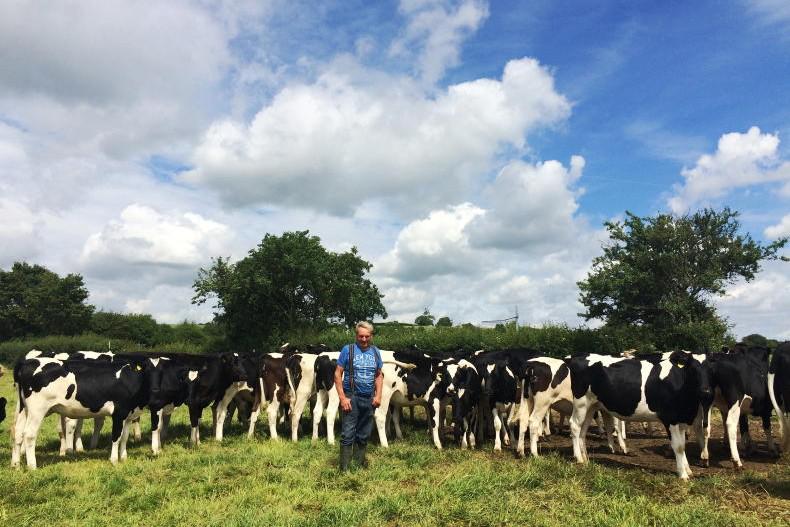
As I grew older, I came to think that it was the challenges and difficulties of running a farm and overcoming them is what makes life so interesting. But at the moment the challenges seem almost insurmountable.
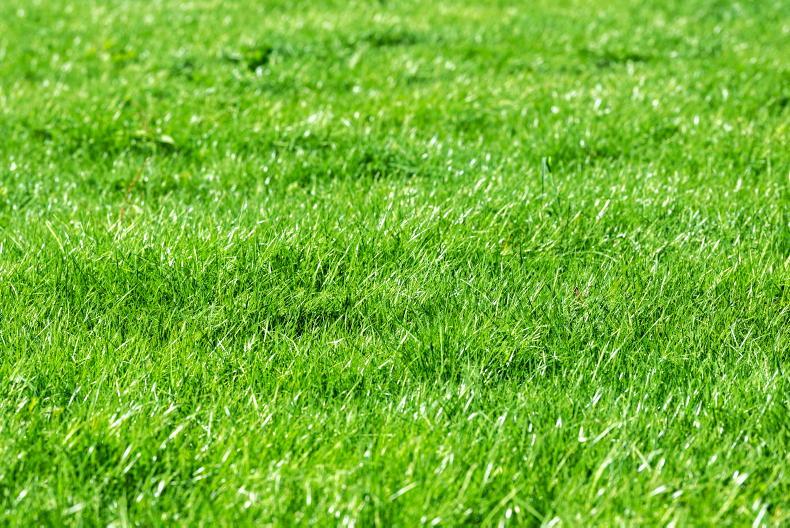
We have been in a severe drought situation almost from turnout requiring constant buffer feeding. It would seem the area affected by this drought is enormous - south of Yorkshire, north of Devon and east of the river Severn as far as the Wash.
Wales, Scotland and the deep south west seem to be well fixed for rain but we have suffered a very few meagre thunder showers, quick in passing and effect and very difficult to predict as far as necessary fertiliser applications.
We are also shut up with TB currently so cannot sell surplus down calving heifers and so are likely to have 175 cows milking with only enough silage in the clamp for 100. With the prospect of another two weeks of a predicted heat wave, cows are about to go onto full winter rations.
Remaining calm
I am trying to remain calm, after all I am the captain of the ship
and if he panics the crew jumps overboard. I keep saying we will get through but at what cost? We have less than half of what we would normally have in terms of silage crops. We have 40 acres of failed reseeds due to a very wet autumn and the drought this spring has denied us any reward for our reseeding efforts.
So much so, that we have paddock grazed the silage grounds and taken an extra 200 acres for silage. This only yielded 750t and no one is giving a price for straw at the moment as crop height is minuscule with low yields of grain.
A considerable number are putting it in the clamp as whole crop, to compensate for the likely shortage of maize. What was planted early is up to expectation, but those who planted a cover crop last autumn and took an early cut of silage before planting maize are looking anxious.
Beef calves
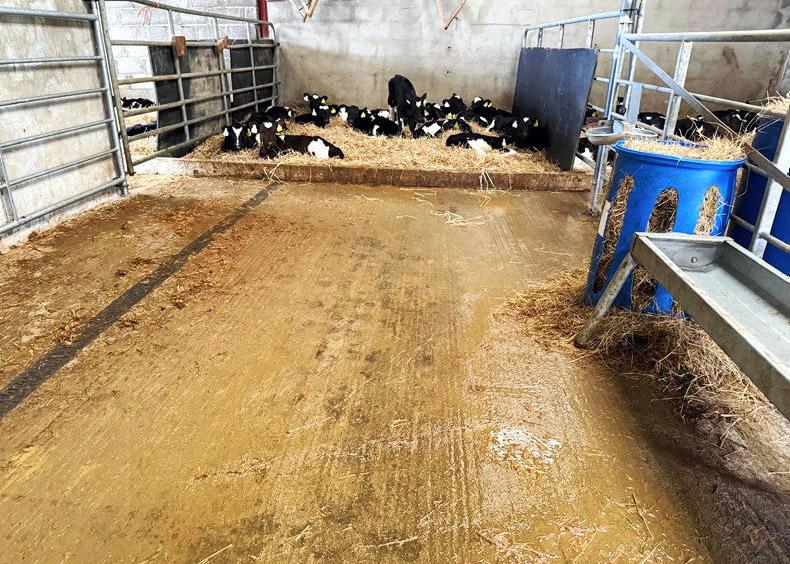
Our other problem is what will we do with the beef calves? Once we start the autumn calving group normally they will be sold at 10 days but we are now likely to see overcrowded calf housing with the resulting disease problem. The alternative is not very palatable.
Rather than sit at home looking at bare pastures and thin cows and worrying, the other end of the table and I have been travelling, SKIING (spending the kids inheritance).
We had a day at Harper Adams agricultural college on the RABDF gold award day. Here Chris Walkland, the dairy specialist consultant, who has taken on the role since the demise of Barry Wilson and is proving to be the man and more. He predicted that the milk price would not fall because although the processes would love to lower the price, they daren’t.
Cutting edge
Harper Adams is at the cutting edge of developing technology in the dairy industry but the most impressive thing for me was a 20 year old 40-cow internal rotary parlour where I watched for 30 minutes cows going round happily cudding with no food provided - not one cow dunged.
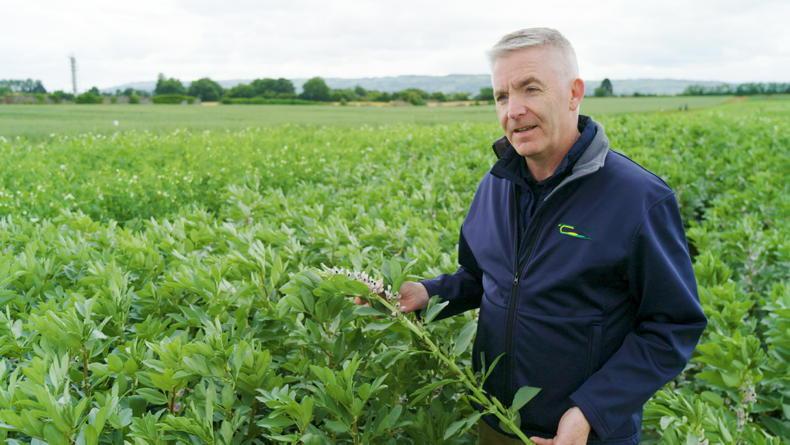
The following day we went to Groundswell, which was the antithesis of Harper Adams. The was started nine years ago and has grown dramatically. It is a driving force behind regenerative farming and it was good to see my milk buyer First Milk and Yeo Valley, with the latter handing out free cocktails.
What was striking was the way large machinery manufacturers had entered the fray of sustainable farming methods with some significantly large machines.
We are currently in south Wales looking very enviously at lush green fields and bulging silage clamps. I remembered my father saying there are times when the valley feeds the hills and there are times when the hill feeds the valleys.




SHARING OPTIONS