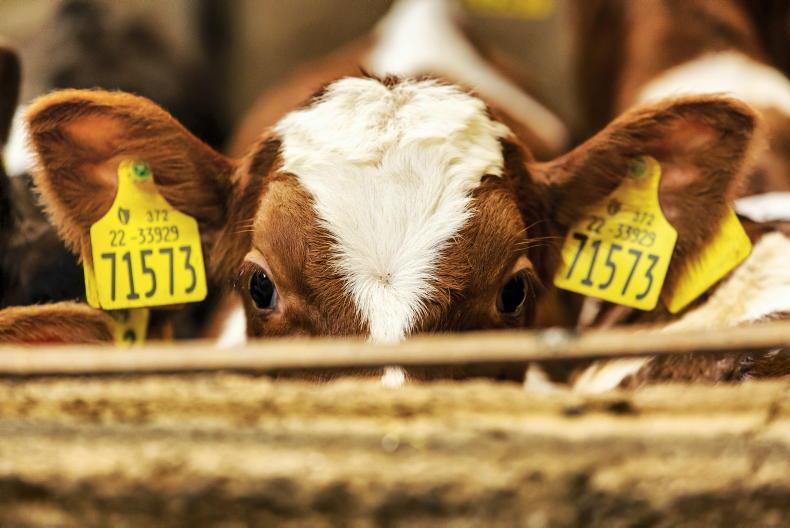
Deferred testing for TB on calves has caught some farmers out, with reports of youngstock and weanlings inadvertently sold or arriving at marts without a valid TB test.
The Department of Agriculture announced that the rules on testing calves between 42 and 120 days old would be relaxed earlier this year to enable social distancing between vets and farmers. Just under 17% of all herds who carried out testing in May and June this year made use of the flexibility and did not test any calves.
These calves will now have to be tested separately before they can be sold and, while the flexibility from the Department has been welcomed, farmers will have to pay for the additional test out of their own pocket.
The flexibility to test calves has been reintroduced in the current lockdown and farmers are advised to take note of which animals are tested or will need to be tested next year if they use that flexibility.
News was also welcomed that the Department would reintroduce the 28-day grace period for herd testing after the original due date.
“A grace period of 28 days from the date on which the herd test becomes due will be applied before this [trading] suspension comes into effect, during which the herd can continue trading,” the Department said. “When the suspension is then applied, moves directly to slaughter will still be permitted.”
This flexibility was also made use of by farmers, with figures showing that TB testing nationally is 8% lower across all herds compared to the previous time last year.
Deferred testing for TB on calves has caught some farmers out, with reports of youngstock and weanlings inadvertently sold or arriving at marts without a valid TB test.
The Department of Agriculture announced that the rules on testing calves between 42 and 120 days old would be relaxed earlier this year to enable social distancing between vets and farmers. Just under 17% of all herds who carried out testing in May and June this year made use of the flexibility and did not test any calves.
These calves will now have to be tested separately before they can be sold and, while the flexibility from the Department has been welcomed, farmers will have to pay for the additional test out of their own pocket.
The flexibility to test calves has been reintroduced in the current lockdown and farmers are advised to take note of which animals are tested or will need to be tested next year if they use that flexibility.
News was also welcomed that the Department would reintroduce the 28-day grace period for herd testing after the original due date.
“A grace period of 28 days from the date on which the herd test becomes due will be applied before this [trading] suspension comes into effect, during which the herd can continue trading,” the Department said. “When the suspension is then applied, moves directly to slaughter will still be permitted.”
This flexibility was also made use of by farmers, with figures showing that TB testing nationally is 8% lower across all herds compared to the previous time last year.






SHARING OPTIONS