Farmers and landowners hit with ash dieback should receive a one-off ex-gratia payment as recognition of the absence of an effective scheme between 2018 and 2023, according to a new independent report.
The measure is one of a list of recommendations included in a report on ash dieback disease and its impact in Ireland, conducted by an independent review group and launched by Minister of State Pippa Hackett.
The report, presented to cabinet on Tuesday, outlines the extent of the spread of ash dieback disease and also a number of recommendations through which a similar forestry disease outbreak can be prevented or contained in future.
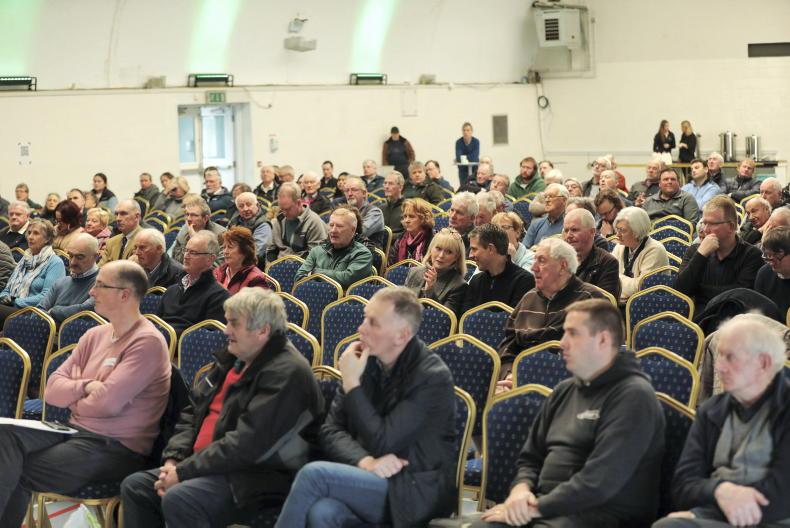
Farmers hit with ash dieback have been calling for greater support for years.
It is understood that the minister will now develop an implementation plan around the recommendations, including developing a payment plan or package for impacted landowners, which works around EU state aid rules.
While a timeline for this detailed plan is not yet known, it is understood it will be finalised within weeks, rather than months.
Recommendations
As well as the one-off ex-gratia payment for impacted landowners, the report recommends that it should be made clearer that the cost of ash site clearance and regeneration should be borne by the State, with any residual value from the timber remaining with the landowner.
It noted that the current clearance grant of €2,000/ha (ex VAT) appears “reasonable in the main”, but that additional costs should be considered for “particularly challenging” ash plantations.
The report found that an ash dieback re-establishment annual payment is also required and that this payment should be consistent with the general rates available under the new Forestry Programme.
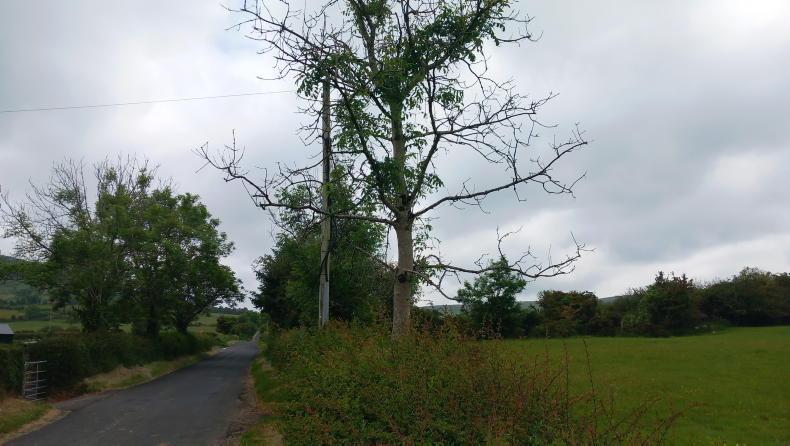
Ash dieback infected trees are now a common sight across Ireland, the report found. \ P McCann
Re-establishment and maintenance costs should be reviewed for all ash sites, taking account of the need for more intensive and regular maintenance due to the particular challenges associated with re-foresting.
Most significantly, the report recommends that the Department of Agriculture should re-examine European Commission regulations to identify the “broadest possible scope” for the required financial support to resolve the ash dieback crisis in Ireland.
This re-examination should also look at how finance could be provided to mitigate the risks of future tree diseases and re-establishing the forestry potential of lands impacted.
‘National emergency’
The report authors found that given the disproportionate impact of diseased ash in Irish forestry, the reestablishment of ash plantations should be seen as a demonstration of Government’s commitment to the sector, through the new Forestry Programme.
They said that ash dieback needs to be “treated as a national emergency” requiring a State-led national and rapid coordinated response. The report called for the establishment of a taskforce, led by the department.
According to the recommendations, this taskforce should be established involving a dedicated department team, landowners, and forest industry stakeholders to oversee and coordinate the safe and comprehensive clearance and re-establishment of diseased plantations.
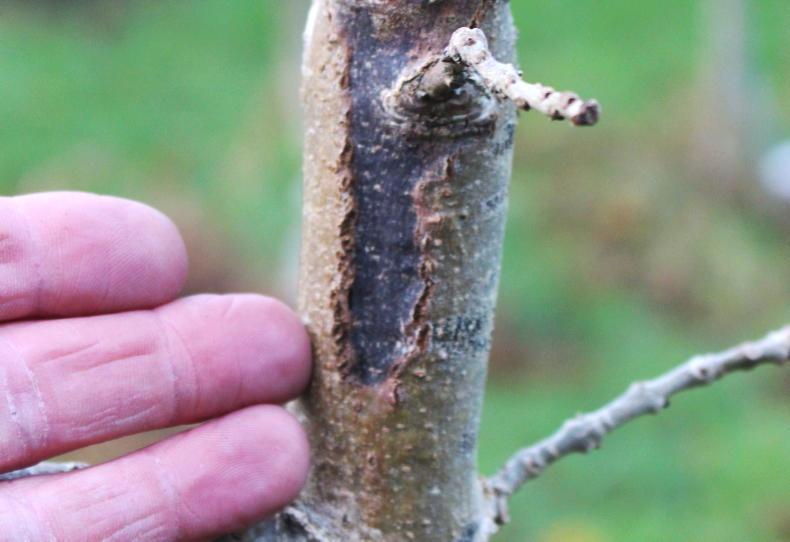
Farmers hit with ash dieback should receive a one-off payment, the report recommended.
This co-ordinated approach to clearance should be undertaken at county or regional level to increase efficiency, led by the taskforce, the report reads.
Approvals
A simplified approval process is also required for site clearance, according to the review, with appropriate assessments or any other complex assessments conducted by the dedicated department team associated with the taskforce.
The report recommends that it must be more clearly communicated that ash plantation owners are eligible for all available schemes in the new Forestry Programme.
Its authors also suggested that ash dieback should also be used as a learning opportunity to plan for future disease and invasive alien species risks. Ideally, this should take place at all-island level, building on the ‘Fortress Ireland’ approach that underpinned the response to ash dieback disease in 2013 and the Plant Health and Bio-Security Strategy 2020-2025.
See the full suite of recommendations here.
Implementation
Minister Hackett said that she had met with the report authors and that she is now working with her officials to implement their recommendations.
“While a number of the recommendations are already in hand, the review group has highlighted certain recommendations as requiring further examination and investigation, in particular in the context of the application of EU state aid rules.
“My department is currently assessing these matters and I have committed to publishing a full implementation plan in response to the review group’s report once this work is complete,” she said.
Farmers and landowners hit with ash dieback should receive a one-off ex-gratia payment as recognition of the absence of an effective scheme between 2018 and 2023, according to a new independent report.
The measure is one of a list of recommendations included in a report on ash dieback disease and its impact in Ireland, conducted by an independent review group and launched by Minister of State Pippa Hackett.
The report, presented to cabinet on Tuesday, outlines the extent of the spread of ash dieback disease and also a number of recommendations through which a similar forestry disease outbreak can be prevented or contained in future.

Farmers hit with ash dieback have been calling for greater support for years.
It is understood that the minister will now develop an implementation plan around the recommendations, including developing a payment plan or package for impacted landowners, which works around EU state aid rules.
While a timeline for this detailed plan is not yet known, it is understood it will be finalised within weeks, rather than months.
Recommendations
As well as the one-off ex-gratia payment for impacted landowners, the report recommends that it should be made clearer that the cost of ash site clearance and regeneration should be borne by the State, with any residual value from the timber remaining with the landowner.
It noted that the current clearance grant of €2,000/ha (ex VAT) appears “reasonable in the main”, but that additional costs should be considered for “particularly challenging” ash plantations.
The report found that an ash dieback re-establishment annual payment is also required and that this payment should be consistent with the general rates available under the new Forestry Programme.

Ash dieback infected trees are now a common sight across Ireland, the report found. \ P McCann
Re-establishment and maintenance costs should be reviewed for all ash sites, taking account of the need for more intensive and regular maintenance due to the particular challenges associated with re-foresting.
Most significantly, the report recommends that the Department of Agriculture should re-examine European Commission regulations to identify the “broadest possible scope” for the required financial support to resolve the ash dieback crisis in Ireland.
This re-examination should also look at how finance could be provided to mitigate the risks of future tree diseases and re-establishing the forestry potential of lands impacted.
‘National emergency’
The report authors found that given the disproportionate impact of diseased ash in Irish forestry, the reestablishment of ash plantations should be seen as a demonstration of Government’s commitment to the sector, through the new Forestry Programme.
They said that ash dieback needs to be “treated as a national emergency” requiring a State-led national and rapid coordinated response. The report called for the establishment of a taskforce, led by the department.
According to the recommendations, this taskforce should be established involving a dedicated department team, landowners, and forest industry stakeholders to oversee and coordinate the safe and comprehensive clearance and re-establishment of diseased plantations.

Farmers hit with ash dieback should receive a one-off payment, the report recommended.
This co-ordinated approach to clearance should be undertaken at county or regional level to increase efficiency, led by the taskforce, the report reads.
Approvals
A simplified approval process is also required for site clearance, according to the review, with appropriate assessments or any other complex assessments conducted by the dedicated department team associated with the taskforce.
The report recommends that it must be more clearly communicated that ash plantation owners are eligible for all available schemes in the new Forestry Programme.
Its authors also suggested that ash dieback should also be used as a learning opportunity to plan for future disease and invasive alien species risks. Ideally, this should take place at all-island level, building on the ‘Fortress Ireland’ approach that underpinned the response to ash dieback disease in 2013 and the Plant Health and Bio-Security Strategy 2020-2025.
See the full suite of recommendations here.
Implementation
Minister Hackett said that she had met with the report authors and that she is now working with her officials to implement their recommendations.
“While a number of the recommendations are already in hand, the review group has highlighted certain recommendations as requiring further examination and investigation, in particular in the context of the application of EU state aid rules.
“My department is currently assessing these matters and I have committed to publishing a full implementation plan in response to the review group’s report once this work is complete,” she said.

SHARING OPTIONS