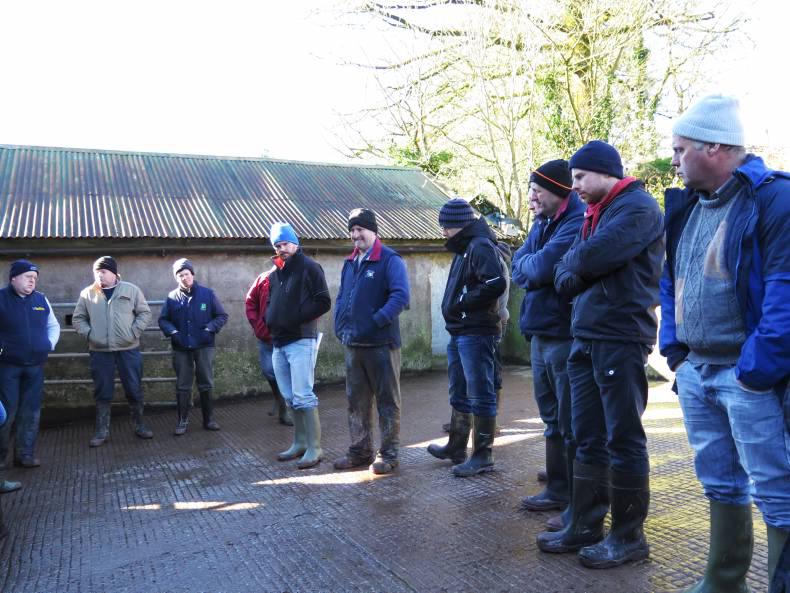
This week, I sat down with a dairy discussion group as members summarised their financial performance for 2013 and their prospects for 2014. After completing the figures, members decided that 2013 should be classed as a bit of a freak year – high milk price and exceptionally high costs.
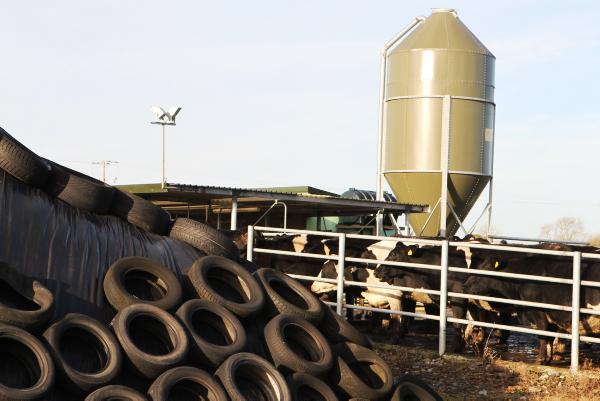
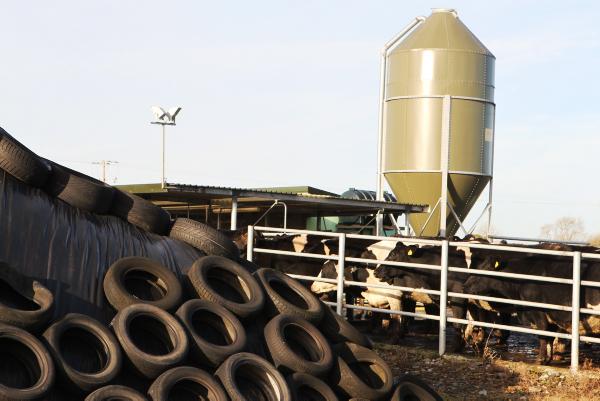
Many talked about reducing feed related costs in 2014 if we get any sort of a good weather year but is it a realistic option or a well-intentioned dream? As some farmers decide to grow stock numbers, it is more rather than less silage many will need to conserve. Maybe 2014 offers the chance to put plastic over a pit of silage for the next fodder crisis?
Huge output
Output was excellent as the peak in milk price matched the spring milk supply curve. For those farmers producing winter milk in 2013, they were not as lucky because they had a lot of their annual milk production in autumn 2012/13 when milk price was lower.
In general, variable costs increased significantly due mainly to the lack of forage supplies exacerbated by the late spring in 2013, so many farmers had to buy extra meal to supplement poor quality silage and then to replace silage they didn’t have or couldn’t get. The results are summarised in Figure 1.
For this discussion group, total farm sales came to 50c/litre. This was made up from an average of 42.1c/litre for milk price, 2.1c/litre from calf sales, 3.2c/litre from cull and milking cow sales, and other sales of replacements and bulls, bringing the total to 50c/litre. Milk price in the group ranged from 37c/litre to 47c/litre on average for the year with the winter milk producers in the group achieving the lower prices and the high solids spring producers getting the higher prices. Some group members had made small purchases (bulls, etc) and, so, had inventory changes adjusting total output down to 49.5c/litre. Overall, there was no hiding of the fact that 2013 delivered an excellent group average output figure.
Feed, as expected, was by far the highest variable cost amounting to 5.95c/litre, or €300 per 5,000-litre cow. This figure contains all the meal fed per cow, the forage purchased as a result of the fodder crisis, silage expenses and dry cow minerals fed with forages last year. Meal accounts for 5c of the 6c/litre, with the other bits making up the rest. For the coming year, the group consensus is that they need to reduce feed costs by at least 50%, or maybe even 4c/litre back to slightly more normal levels, for the grazing system they are operating. A price-per-tonne reduction and a volume reduction should reduce costs for 2014.
Fertilizer spend averaged 4.94c/litre as farmers pushed to make extra silage to fill empty pits. Growth rates held up well once growth started in May. For the most part, it worked and silage stocks on 1 January 2014 were a lot better in bulk and quality compared with the year previously.
The group discussion focused on the breakdown of nitrogen, phosphorus (P) and potassium (K) and many farmers made the point that they expect to spend the same amount of money on N, P and K. They also plan to make the same amount of silage to set themselves up for extra numbers, more silage and improving soil fertility. They suggested cutting spend in fertilizer might be a false economy if soil fertility levels are poor and the new restriction post quota will be land. For 2014, they expect the price per tonne of nitrogen to be back compared with last year. However, many of the farmers in the group had soil fertility results which show that they need investment in soil P and K, so they weren’t budgeting on reducing fertilizer spend.
The contracting figure shows the total spend on silage harvesting, slurry and fertilizer spreading, including other small contracting work such as hedgecutting. There was a substantial range across the group with the spend on silage contracting ranging from 1c/litre to 4c/litre depending on acreage cut and price.
The other costs are a mix of all variable costs not classified into a category. They include bedding, tags, grass seed, sprays and feed for calves.
Veterinary costs were the other major variable cost and this includes routine dosing, dry cow tubes, vaccinations, testing, call-outs and hoof care. The average group total was 1.69c/l and the majority, 1c/l of this, was for routine dosing, testing and dry cow tubes. Approximately 0.5c/litre was for vaccinations and the balance was for hoof care and call-outs. Again, there were no major decisions taken to reduce this expense as most of the farmers saw it as essential spend to reduce labour and other problems.
Fixed costs
Total fixed costs came to 18c/litre and 40% of this was labour. The figure for labour came to 7.55c/litre for both hired and own labour. All of the farmers included €30,000 in the costs as a contribution towards their own labour in the business. The other significant fixed cost was land and quota rental which averaged 2.9c/litre. Electricity and diesel came to 1.44c/litre while repairs and depreciation came to 2.5c/litre.
Once-a-day warning: One farmer in the group had switched to once-a-day milking in 2013 to reduce output so he could keep stock in the herd in anticipation of selling more output post 2015. While output was reduced, his costs remained high and the net effect was his net profit was one of the lowest in the group at 6c/litre compared with the average of 12c/litre.
Stocking rate: The optimum stocking rate for a spring-calving, grass-based system was discussed and the group decided it will be on the agenda regularly at meetings this year. Many of the members have stocked up farms close to three cows per hectare but they are not growing the grass to meet this stocking rate. Instead of 14 to 15 tonnes per hectare, they are back closer to an average of 11 to 12 tonnes per hectare and, hence, are too highly stocked for the grass that is growing. Another important point made by group members is that many outfarms are not growing as much grass because soil fertility or varieties are wrong and this is putting even more pressure on the system.
Over quota: Farmers who are heading for a super levy bill need to take this into account. Just because you put forward a great set of accounts, if you have a super levy bill pending, then it is better to be realistic about it rather than hiding it away. What are you going to do for the coming year because there seems to be every chance that milk supplies will be equally as good for the coming year?
Stock sales: For some farmers who have bumped up output from stock sales over previous years, if you are planning on expanding herd numbers then obviously don’t plan on the income in 2014 and beyond. Cent/litre: Quota is still the limiting factor for the majority of group members, so the results were discussed and presented in cent per litre rather than per hectare, which will be the case post 2015 when land becomes the limiting factor.
Contract rearing: The discussion focused around the fact if you can get land to lease near the home block that doesn’t need capital investment then it might be an option depending on the price. However, if you are looking to reduce labour then contract rearing might be the best option if you can get stock away sooner rather than later.
Reseeding: For expanding farmers, rather than hold unproductive stock on farm, it might be better to reduce overall stocking rate. It would also be worthwhile do some reseeding prior to building up stocking rate with milking cows.
Group: The discussion group is Munster-based with mainly Dairygold and Glanbia spring milk suppliers.
This week, I sat down with a dairy discussion group as members summarised their financial performance for 2013 and their prospects for 2014. After completing the figures, members decided that 2013 should be classed as a bit of a freak year – high milk price and exceptionally high costs.
Many talked about reducing feed related costs in 2014 if we get any sort of a good weather year but is it a realistic option or a well-intentioned dream? As some farmers decide to grow stock numbers, it is more rather than less silage many will need to conserve. Maybe 2014 offers the chance to put plastic over a pit of silage for the next fodder crisis?
Huge output
Output was excellent as the peak in milk price matched the spring milk supply curve. For those farmers producing winter milk in 2013, they were not as lucky because they had a lot of their annual milk production in autumn 2012/13 when milk price was lower.
In general, variable costs increased significantly due mainly to the lack of forage supplies exacerbated by the late spring in 2013, so many farmers had to buy extra meal to supplement poor quality silage and then to replace silage they didn’t have or couldn’t get. The results are summarised in Figure 1.
For this discussion group, total farm sales came to 50c/litre. This was made up from an average of 42.1c/litre for milk price, 2.1c/litre from calf sales, 3.2c/litre from cull and milking cow sales, and other sales of replacements and bulls, bringing the total to 50c/litre. Milk price in the group ranged from 37c/litre to 47c/litre on average for the year with the winter milk producers in the group achieving the lower prices and the high solids spring producers getting the higher prices. Some group members had made small purchases (bulls, etc) and, so, had inventory changes adjusting total output down to 49.5c/litre. Overall, there was no hiding of the fact that 2013 delivered an excellent group average output figure.
Feed, as expected, was by far the highest variable cost amounting to 5.95c/litre, or €300 per 5,000-litre cow. This figure contains all the meal fed per cow, the forage purchased as a result of the fodder crisis, silage expenses and dry cow minerals fed with forages last year. Meal accounts for 5c of the 6c/litre, with the other bits making up the rest. For the coming year, the group consensus is that they need to reduce feed costs by at least 50%, or maybe even 4c/litre back to slightly more normal levels, for the grazing system they are operating. A price-per-tonne reduction and a volume reduction should reduce costs for 2014.
Fertilizer spend averaged 4.94c/litre as farmers pushed to make extra silage to fill empty pits. Growth rates held up well once growth started in May. For the most part, it worked and silage stocks on 1 January 2014 were a lot better in bulk and quality compared with the year previously.
The group discussion focused on the breakdown of nitrogen, phosphorus (P) and potassium (K) and many farmers made the point that they expect to spend the same amount of money on N, P and K. They also plan to make the same amount of silage to set themselves up for extra numbers, more silage and improving soil fertility. They suggested cutting spend in fertilizer might be a false economy if soil fertility levels are poor and the new restriction post quota will be land. For 2014, they expect the price per tonne of nitrogen to be back compared with last year. However, many of the farmers in the group had soil fertility results which show that they need investment in soil P and K, so they weren’t budgeting on reducing fertilizer spend.
The contracting figure shows the total spend on silage harvesting, slurry and fertilizer spreading, including other small contracting work such as hedgecutting. There was a substantial range across the group with the spend on silage contracting ranging from 1c/litre to 4c/litre depending on acreage cut and price.
The other costs are a mix of all variable costs not classified into a category. They include bedding, tags, grass seed, sprays and feed for calves.
Veterinary costs were the other major variable cost and this includes routine dosing, dry cow tubes, vaccinations, testing, call-outs and hoof care. The average group total was 1.69c/l and the majority, 1c/l of this, was for routine dosing, testing and dry cow tubes. Approximately 0.5c/litre was for vaccinations and the balance was for hoof care and call-outs. Again, there were no major decisions taken to reduce this expense as most of the farmers saw it as essential spend to reduce labour and other problems.
Fixed costs
Total fixed costs came to 18c/litre and 40% of this was labour. The figure for labour came to 7.55c/litre for both hired and own labour. All of the farmers included €30,000 in the costs as a contribution towards their own labour in the business. The other significant fixed cost was land and quota rental which averaged 2.9c/litre. Electricity and diesel came to 1.44c/litre while repairs and depreciation came to 2.5c/litre.
Once-a-day warning: One farmer in the group had switched to once-a-day milking in 2013 to reduce output so he could keep stock in the herd in anticipation of selling more output post 2015. While output was reduced, his costs remained high and the net effect was his net profit was one of the lowest in the group at 6c/litre compared with the average of 12c/litre.
Stocking rate: The optimum stocking rate for a spring-calving, grass-based system was discussed and the group decided it will be on the agenda regularly at meetings this year. Many of the members have stocked up farms close to three cows per hectare but they are not growing the grass to meet this stocking rate. Instead of 14 to 15 tonnes per hectare, they are back closer to an average of 11 to 12 tonnes per hectare and, hence, are too highly stocked for the grass that is growing. Another important point made by group members is that many outfarms are not growing as much grass because soil fertility or varieties are wrong and this is putting even more pressure on the system.
Over quota: Farmers who are heading for a super levy bill need to take this into account. Just because you put forward a great set of accounts, if you have a super levy bill pending, then it is better to be realistic about it rather than hiding it away. What are you going to do for the coming year because there seems to be every chance that milk supplies will be equally as good for the coming year?
Stock sales: For some farmers who have bumped up output from stock sales over previous years, if you are planning on expanding herd numbers then obviously don’t plan on the income in 2014 and beyond. Cent/litre: Quota is still the limiting factor for the majority of group members, so the results were discussed and presented in cent per litre rather than per hectare, which will be the case post 2015 when land becomes the limiting factor.
Contract rearing: The discussion focused around the fact if you can get land to lease near the home block that doesn’t need capital investment then it might be an option depending on the price. However, if you are looking to reduce labour then contract rearing might be the best option if you can get stock away sooner rather than later.
Reseeding: For expanding farmers, rather than hold unproductive stock on farm, it might be better to reduce overall stocking rate. It would also be worthwhile do some reseeding prior to building up stocking rate with milking cows.
Group: The discussion group is Munster-based with mainly Dairygold and Glanbia spring milk suppliers. 





SHARING OPTIONS