


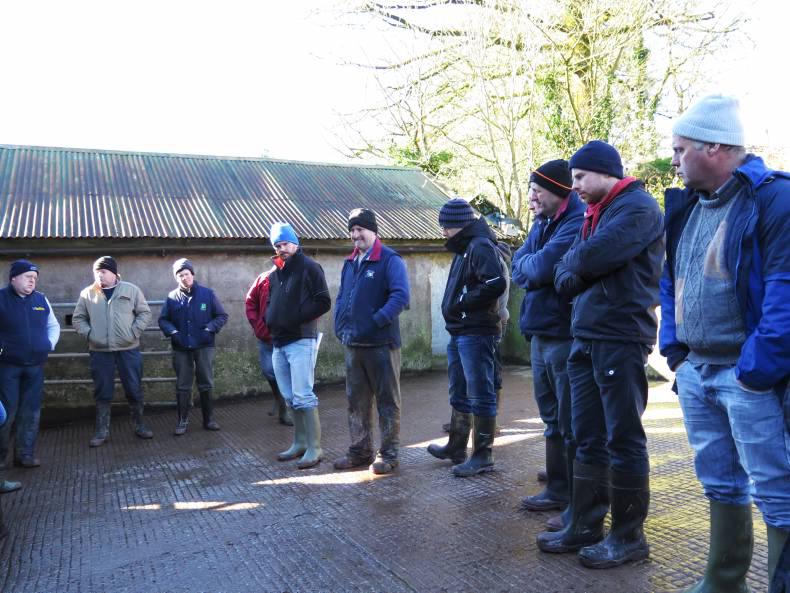
There’s nothing better than having another farmer walk your farm to really assess grass covers and performance. Except of course having a group of other farmers walk your farm.
I’m a member of a local dairy discussion group that usually meets once a month. Some months it would be at an event, winter time usually an indoor discussion. Once the grass gets going we meet on each other’s farms in rotation, and this week it was my turn to host.
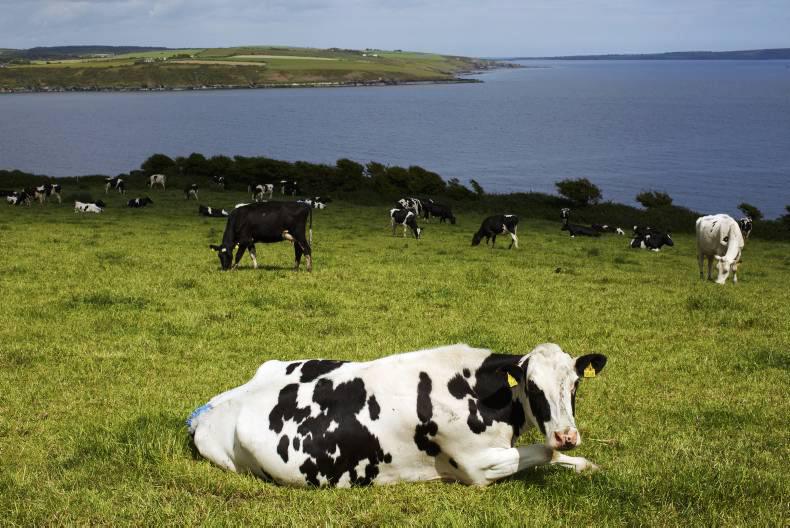
Half the group has a level of winter milk like myself. Herd sizes vary from 40 to 300 with a range of high yielding pedigree Holsteins to Jersey/Friesian cross-breds. A general trend in west Cork is limited home grazing platforms, some have been lucky enough to get adjoining land but all have had to find some system to move off the young stock. All of us focus on making the most of grazed grass and we find our mix of systems helps to get us all to look at other options to maximise output and profit. Over the years we have built up friendship and trust to be very open about our businesses.
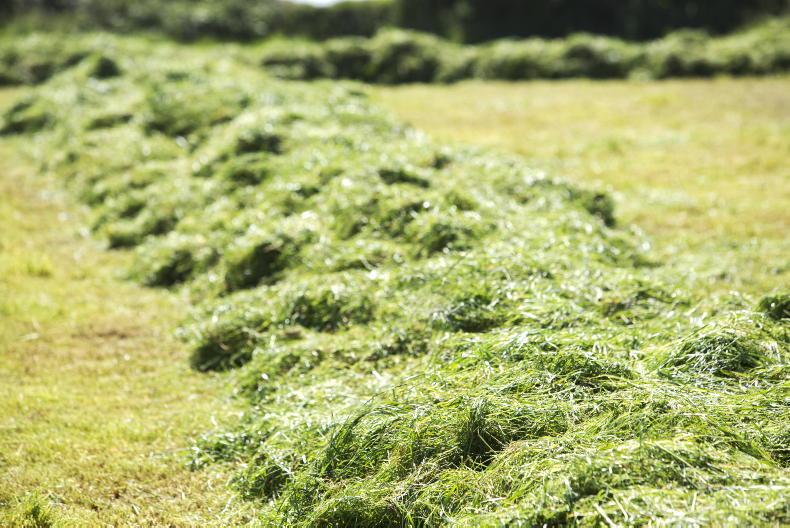
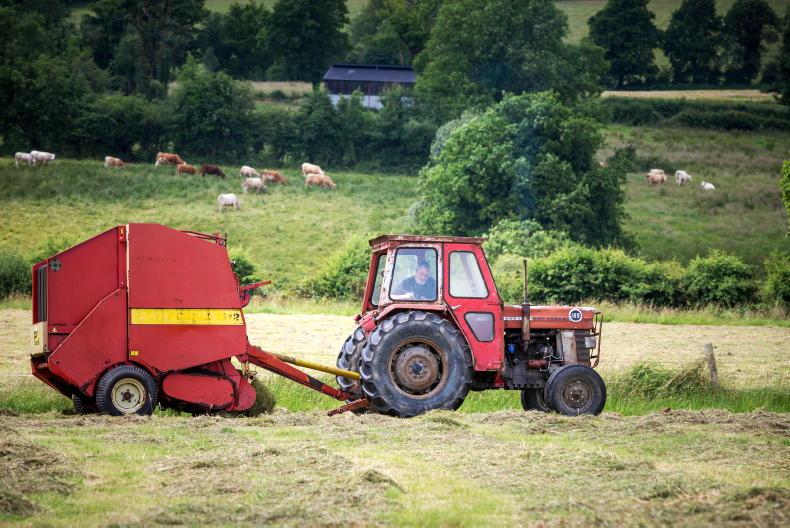
I faced tough questions about grazing the current 1,800 to 2,000kg grass covers. I had already taken out two paddocks for bales to control some stemmy grass so the wedge showed only 145kg dm/lu. The consensus we reached was that the forecast dry weather would probably see a need to supplement in a few days, once the heavy covers were grazed.
Herd health using a vaccination plan and strategic dosing for worms and fluke was the main discussion topic this time. There is a worry that overuse of doses can cause two problems. The first is that there is a limited number of active ingredients available so we cannot afford to lose any through developing resistance.
Separately, we cannot afford to lose any through the increasing pressure legislation is putting on pharmaceutical companies.
The second worry is that animals, just like humans, need to be allowed develop a level of immunity through exposure to the effects of parasites.
I always wait until calves are on grass at least four to five weeks before the first dose. Likewise it is important to delay each subsequent dose until any residual effects have worn off. That means older animals are better equipped to cope with parasite burdens. I have just taken some dung samples from the first calvers to check for any problems. Advice from the group was that these may need a mid-lactation dose.
There is always something to learn from your fellow farmers who have had a chance to try out research on a practical level. It’s hard to beat experience but just in case there is something we have yet to discover ourselves our group is heading to the Moorepark open day on 1 July. Just in case!



SHARING OPTIONS