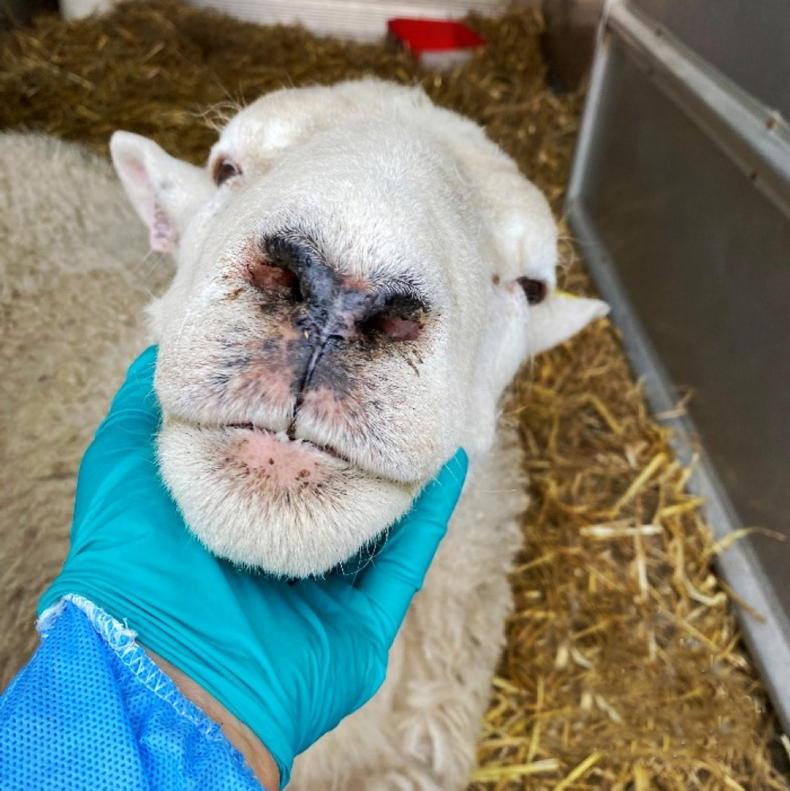
The number of confirmed bluetongue virus serotype 3 (BTV-3) cases in Britain has risen to 493, according to the latest figures from Department for Environment, Food and Rural Afffairs (DEFRA).
Of the cases recorded in 2026, 473 have been confirmed in England, 15 in Wales and five in Scotland.
Northern Ireland has remained clear of the virus to date.
The latest figures show a sharp rise in figures since 17 August, when 439 cases were confirmed in England, 13 in Wales and four in Scotland.
On Tuesday 18 August, a further 19 cases were confirmed in England following reports of suspicious clinical signs.
Of these, 15 cases involved sheep and four involved cattle, with all cases showing signs consistent with those seen in other recent cases.
A further case was confirmed in Dumfries and Galloway, Scotland on the same day. The animals were tested as part of an epidemiological investigation linked to an earlier case and did not display clinical signs of bluetongue.
September risk
The Agriculture and Horticulture Development Board (AHDB) has warned that the peak of this year’s outbreak may still be to come, with disease pressure expected to potentially peak during September.
Cases have continued to spread across Britain, with Devon, Cornwall and Somerset among the areas most heavily affected.
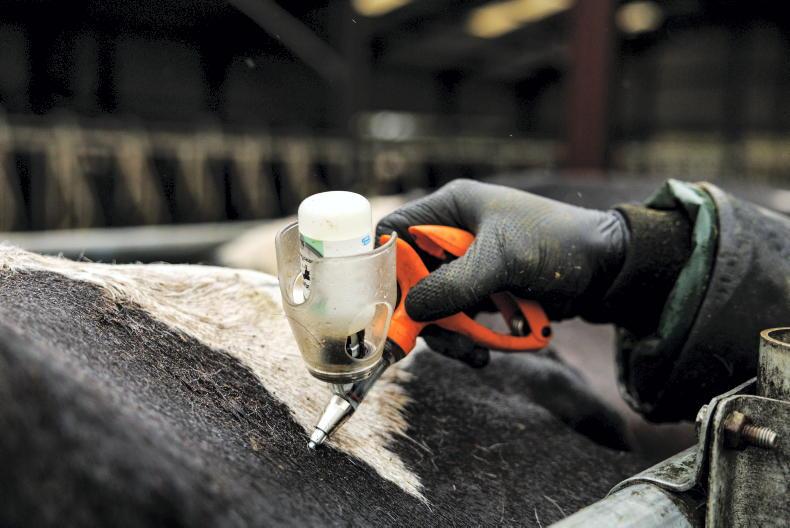
AHDB has urged livestock farmers to speak to their vets about vaccination, describing vaccination as the most effective tool currently available to protect vulnerable animals.
Demand for vaccines has increased as the outbreak has developed putting pressure on supplies.
AHDB has said that despite challenges surrounding vaccine availability, farmers should not consider it too late to vaccinate.
There have been no confirmed cases of bluetongue serotype 8 (BTV-8) in the UK so far this year.