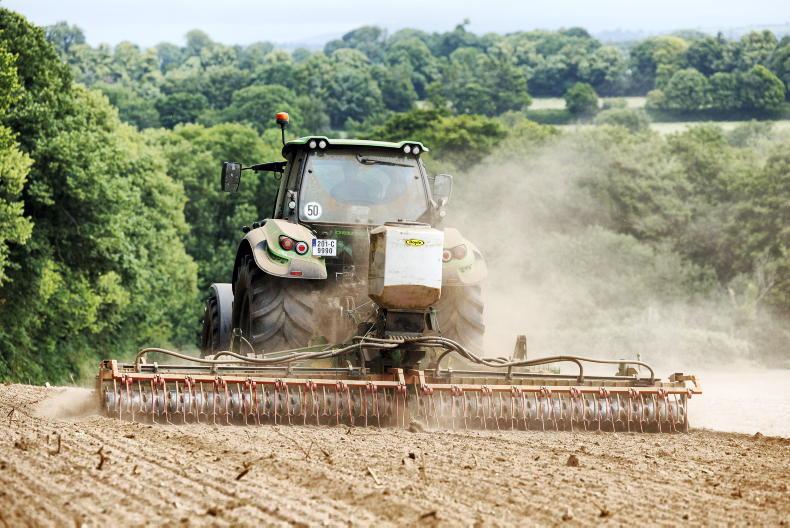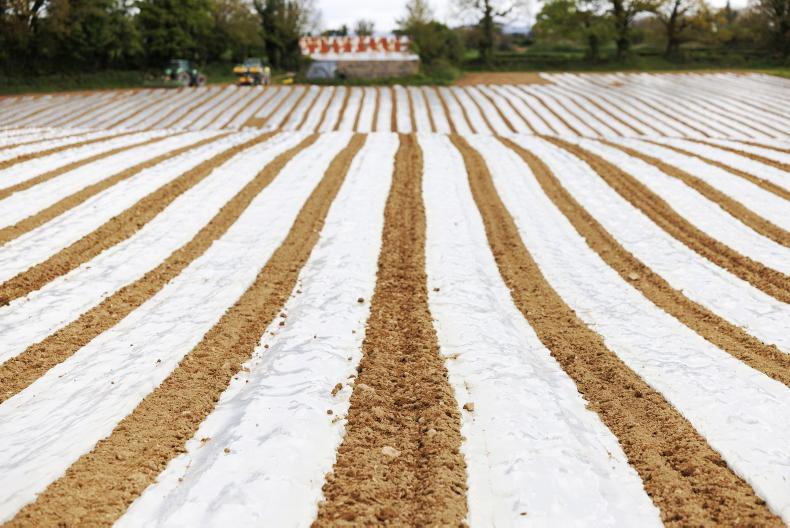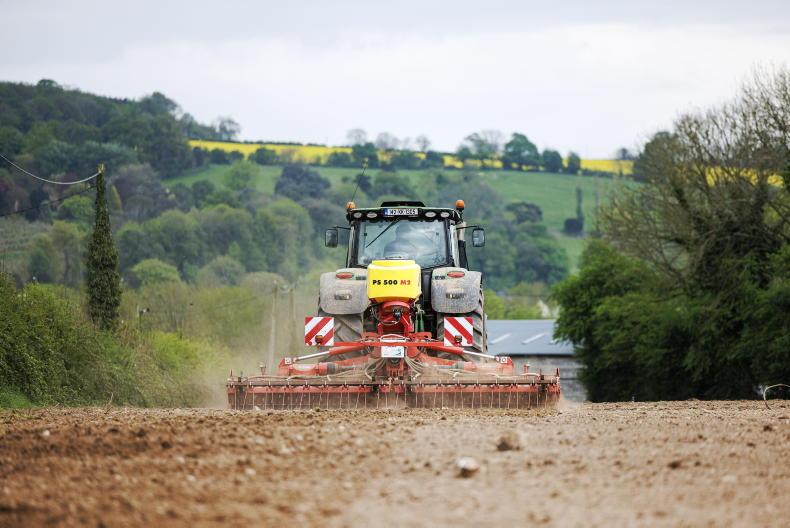
Getting the timing right is half the battle when it comes to an autumn reseed. Weather and soil temperatures can have a big impact, particularly if it is left too late. According to Teagasc, over two-thirds of Irish reseeding is done in autumn. It’s easy to see why, as silage ground enters back into the equation and pressure comes off the rotation.
However, research has consistently found that fields reseeded in spring perform better – as there is greater likelihood of clover getting established and there are far more opportunities for regular grazing compared to autumn reseeds.
For those planning an autumn reseed, it’s time to start thinking about the ground you want to take out now. An autumn reseed should be going in by the first week of September at the latest. That way we don’t face the risk of dropping soil temperatures and shorter days stunting the germination. It also gives us an opportunity to get spraying and getting a grazing or two in before closing.
Paddock selection
Most farmers out there will know their under-performing paddocks, but the PastureBase Ireland annual paddock summary gives a good indication of what fields are performing. There’s massive variation out there in the production levels of one field versus another, even on the same farm with similar soil type.
The bounce off a new reseed in terms of dry matter production is massive. It responds better to nitrogen and is usually far more palatable for cattle. To get the real bounce out of a reseed, nutrient management needs to be good.
If you haven’t already done so, soil-testing the field will give you an idea of what’s needed in terms of fertiliser and lime after sowing.
If clover is going in the mix, soil testing is vital. Research is becoming clearer that unless the pH is above 6.3 and soil Ps and Ks are at index three or above, clover is going to struggle.
We’ve seen clover struggle over the last two years in places. Weather in 2024 didn’t help, but it’s a common occurrence that farms with lower pH, or those with low indexes for P and K really struggle to get clover off the ground. The soil test will help you design a nutrient management strategy for the paddock going forward. Reseeding can be a costly process and the sward will hopefully last the next 10 years, so there’s no point risking it over not knowing what the nutrient requirement is. Failure to correct soil fertility prior to reseeding will mean the return from reseeding will be far less.
Seed bed preparation
If you plan on discing or harrowing the field, you will need to spray off the ground two to three weeks beforehand. Otherwise, you’ll end up with clodding on the seed bed and problems later on.
Spray off the field with glyphosate. There will be advice on the label of the product, but Teagasc recommendations are for 5l/ha of product included in high water concentrations to ensure good coverage of the grass canopy.
Dairy cows are not permitted to graze fields that have been sprayed off with glyphosate. This still leaves you with the option of grazing with replacement stock on dairy farms or all dry stock animals.
You also have the option of mowing and baling up the dying grass and then feeding this to dry cattle over the winter.
The method of cultivation can depend on the ground type and weather conditions. Either way you need to ensure you end up with a fine firm seedbed. Research shows that there is no difference in the results, provided they are done correctly.
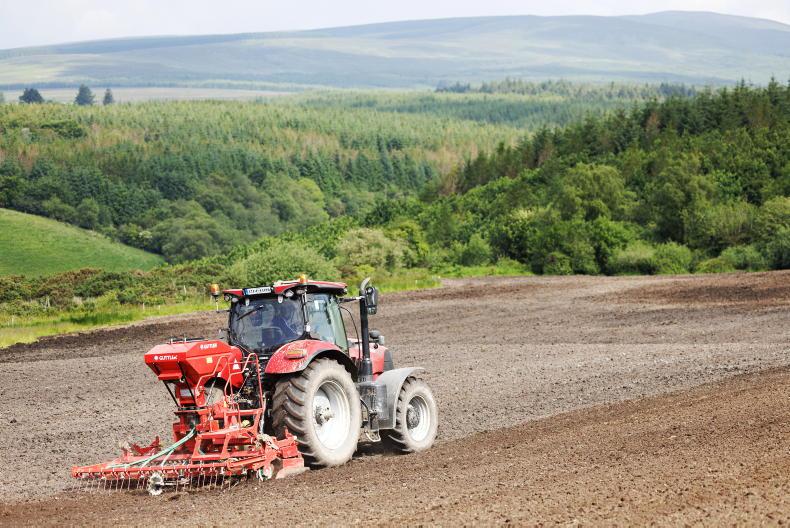
Soil fertility is critical when planning a reseed.
Seed mix
When choosing your grass and clover seed, you need to use the Teagasc and Department of Agriculture Pasture Profit Index (PPI). These lists give the recommendations for the best available grass varieties, profitability and heading dates for different practices based on extensive research and studies.
When you’re selecting grass varieties you shouldn’t be including more than four varieties in a mix. Heading dates of the varieties should be no more than seven days apart. A mixture of diploids and tetraploids is recommended to increase the sward density, but tetraploid should make up over 60% of the mix on grazing swards.
The later the reseed goes in the more difficult it will prove for clover to establish itself. If soil temperatures are dropping clover is going to struggle so get it done early to give clover a chance.
Clover should be included in every mix. This doesn’t mean it always proves successful, but the opportunity to reduce the levels of chemical nitrogen input and improve animal performance should be taken.
In terms of sowing rates, there should be 25-28kg/ha of grass seed plus 3-5kg/ha of white clover in the mix. For grass and clover establishment don’t sow any greater than 10mm of a seeding depth. Good results are achieved when the grass seed is left scattered on the soil surface and then rolled in. A heavy rolling post-sowing is essential.
Nutrient management
Nutrient requirement will vary depending on the soil fertility test. For paddocks with lower pH, 2.5t/acre of lime should be spread at sowing.
All reseeds need N, P and K at the time of sowing. In grass plus clover reseeds, clover is not capable of fixing nitrogen immediately and will need some encouragement. This comes in the form of chemical nitrogen or slurry.
Three bags to the acre of 10-10-20 at sowing is an adequate amount to get seed germinating. Alternatively, you can use slurry to provide the nutrient. Spreading rate would need to be close to 4,000 gallons/acre to replace the compound fertiliser.
The reseed will have a strong demand for nutrients in the following year and it’s important to keep on top of P and K in those paddocks with lower indexes.
Many will look after the nitrogen demand, but farmers often neglect the P and K when they see the new sward growing well. Particularly with clover, the importance of a lower nitrogen compound fertiliser should not be overlooked.
Post-emergence spraying should be carried out when grass is between the second and third leaf stage. It should be applied seven to 10 days before the first grazing, so it’s a short window.
Where the sward contains clover, a clover safe herbicide should be used and the best time to spray is typically between 30 and 40 days post-sowing.
Grazing management
Post-reseeding grazing management is the most important component of ensuring the sward performs and lasts in the coming years. Reseeding is costing in the region of €800/ha, but the profitability of the new sward pays for itself in two to three years according to Teagasc, provided it’s managed correctly.
It’s vital to get at least one grazing on a reseeded sward before the winter. This will allow light to reach down to the base of the sward, giving clover and grass the chance to tiller and establish.
Graze the new sward at a cover of 800-1,000kg/DM/ha provided the root is well established and the grass passes the pull test.
When ground is soft in the autumn, grazing with young stock or sheep is a good option to prevent damage to the new soft seedbed.
If it’s possible, graze the paddock again later in the final rotation. The lower cover over the winter will give the new plants an excellent chance to tiller out and increase the chance of success in 2026.
In brief
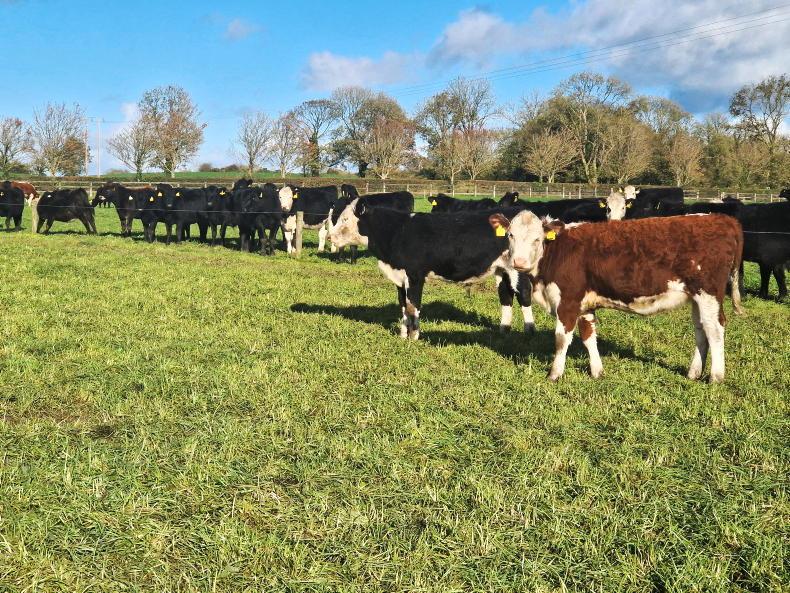
Timing is important with an autumn reseed. The earlier it’s in the better, with the first week in September being the cut-off.Soil-test the field before reseeding to understand what nutrient is required at seeding and into 2026.All cultivation techniques give similar results. A firm seedbed is the most important thing regardless of the method. Choose seed varieties from the PPI recommended list.Post-reseed management is the key to success. Weed control, nutrient and grazing management are vital.
Getting the timing right is half the battle when it comes to an autumn reseed. Weather and soil temperatures can have a big impact, particularly if it is left too late. According to Teagasc, over two-thirds of Irish reseeding is done in autumn. It’s easy to see why, as silage ground enters back into the equation and pressure comes off the rotation.
However, research has consistently found that fields reseeded in spring perform better – as there is greater likelihood of clover getting established and there are far more opportunities for regular grazing compared to autumn reseeds.
For those planning an autumn reseed, it’s time to start thinking about the ground you want to take out now. An autumn reseed should be going in by the first week of September at the latest. That way we don’t face the risk of dropping soil temperatures and shorter days stunting the germination. It also gives us an opportunity to get spraying and getting a grazing or two in before closing.
Paddock selection
Most farmers out there will know their under-performing paddocks, but the PastureBase Ireland annual paddock summary gives a good indication of what fields are performing. There’s massive variation out there in the production levels of one field versus another, even on the same farm with similar soil type.
The bounce off a new reseed in terms of dry matter production is massive. It responds better to nitrogen and is usually far more palatable for cattle. To get the real bounce out of a reseed, nutrient management needs to be good.
If you haven’t already done so, soil-testing the field will give you an idea of what’s needed in terms of fertiliser and lime after sowing.
If clover is going in the mix, soil testing is vital. Research is becoming clearer that unless the pH is above 6.3 and soil Ps and Ks are at index three or above, clover is going to struggle.
We’ve seen clover struggle over the last two years in places. Weather in 2024 didn’t help, but it’s a common occurrence that farms with lower pH, or those with low indexes for P and K really struggle to get clover off the ground. The soil test will help you design a nutrient management strategy for the paddock going forward. Reseeding can be a costly process and the sward will hopefully last the next 10 years, so there’s no point risking it over not knowing what the nutrient requirement is. Failure to correct soil fertility prior to reseeding will mean the return from reseeding will be far less.
Seed bed preparation
If you plan on discing or harrowing the field, you will need to spray off the ground two to three weeks beforehand. Otherwise, you’ll end up with clodding on the seed bed and problems later on.
Spray off the field with glyphosate. There will be advice on the label of the product, but Teagasc recommendations are for 5l/ha of product included in high water concentrations to ensure good coverage of the grass canopy.
Dairy cows are not permitted to graze fields that have been sprayed off with glyphosate. This still leaves you with the option of grazing with replacement stock on dairy farms or all dry stock animals.
You also have the option of mowing and baling up the dying grass and then feeding this to dry cattle over the winter.
The method of cultivation can depend on the ground type and weather conditions. Either way you need to ensure you end up with a fine firm seedbed. Research shows that there is no difference in the results, provided they are done correctly.

Soil fertility is critical when planning a reseed.
Seed mix
When choosing your grass and clover seed, you need to use the Teagasc and Department of Agriculture Pasture Profit Index (PPI). These lists give the recommendations for the best available grass varieties, profitability and heading dates for different practices based on extensive research and studies.
When you’re selecting grass varieties you shouldn’t be including more than four varieties in a mix. Heading dates of the varieties should be no more than seven days apart. A mixture of diploids and tetraploids is recommended to increase the sward density, but tetraploid should make up over 60% of the mix on grazing swards.
The later the reseed goes in the more difficult it will prove for clover to establish itself. If soil temperatures are dropping clover is going to struggle so get it done early to give clover a chance.
Clover should be included in every mix. This doesn’t mean it always proves successful, but the opportunity to reduce the levels of chemical nitrogen input and improve animal performance should be taken.
In terms of sowing rates, there should be 25-28kg/ha of grass seed plus 3-5kg/ha of white clover in the mix. For grass and clover establishment don’t sow any greater than 10mm of a seeding depth. Good results are achieved when the grass seed is left scattered on the soil surface and then rolled in. A heavy rolling post-sowing is essential.
Nutrient management
Nutrient requirement will vary depending on the soil fertility test. For paddocks with lower pH, 2.5t/acre of lime should be spread at sowing.
All reseeds need N, P and K at the time of sowing. In grass plus clover reseeds, clover is not capable of fixing nitrogen immediately and will need some encouragement. This comes in the form of chemical nitrogen or slurry.
Three bags to the acre of 10-10-20 at sowing is an adequate amount to get seed germinating. Alternatively, you can use slurry to provide the nutrient. Spreading rate would need to be close to 4,000 gallons/acre to replace the compound fertiliser.
The reseed will have a strong demand for nutrients in the following year and it’s important to keep on top of P and K in those paddocks with lower indexes.
Many will look after the nitrogen demand, but farmers often neglect the P and K when they see the new sward growing well. Particularly with clover, the importance of a lower nitrogen compound fertiliser should not be overlooked.
Post-emergence spraying should be carried out when grass is between the second and third leaf stage. It should be applied seven to 10 days before the first grazing, so it’s a short window.
Where the sward contains clover, a clover safe herbicide should be used and the best time to spray is typically between 30 and 40 days post-sowing.
Grazing management
Post-reseeding grazing management is the most important component of ensuring the sward performs and lasts in the coming years. Reseeding is costing in the region of €800/ha, but the profitability of the new sward pays for itself in two to three years according to Teagasc, provided it’s managed correctly.
It’s vital to get at least one grazing on a reseeded sward before the winter. This will allow light to reach down to the base of the sward, giving clover and grass the chance to tiller and establish.
Graze the new sward at a cover of 800-1,000kg/DM/ha provided the root is well established and the grass passes the pull test.
When ground is soft in the autumn, grazing with young stock or sheep is a good option to prevent damage to the new soft seedbed.
If it’s possible, graze the paddock again later in the final rotation. The lower cover over the winter will give the new plants an excellent chance to tiller out and increase the chance of success in 2026.
In brief
Timing is important with an autumn reseed. The earlier it’s in the better, with the first week in September being the cut-off.Soil-test the field before reseeding to understand what nutrient is required at seeding and into 2026.All cultivation techniques give similar results. A firm seedbed is the most important thing regardless of the method. Choose seed varieties from the PPI recommended list.Post-reseed management is the key to success. Weed control, nutrient and grazing management are vital.
SHARING OPTIONS