The level of funding available under the Targeted Agricultural Modernisation Scheme (TAMS III) for investment applications submitted from tranche nine onwards has tightened considerably.
This has resulted in ranking and selection being used in the approval process and approval rates reducing to between 50% and 60% of applications in many schemes and to just 10% for solar, low emission slurry spreading equipment and the dairy equipment scheme.
Minister Martin Heydon did however maintain a 100% approval rate in the farm safety capital investment scheme and urged farmers to continue to assess their holdings from a health and safety perspective.
This implies that priority will continue to be placed on this entry route.
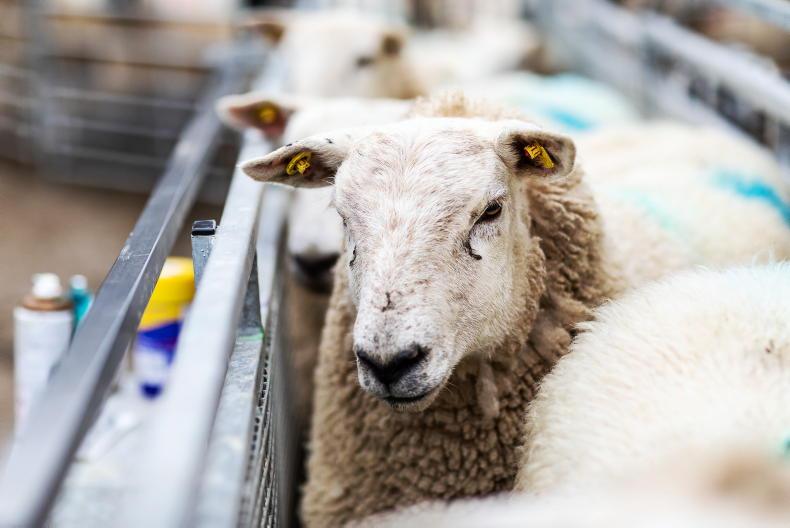
As such, it is worth farmers considering if investments in sheep handling could improve the efficiency of their system.
Eligible items include portable and fixed sheep-handling units, weighing scales, rollover crates, a fixed dipping tank, penning and EID readers.
Pressure also needs to be maintained on the Department of Agriculture to increase the reference cost for specialised handling units with current costs not
reflective.
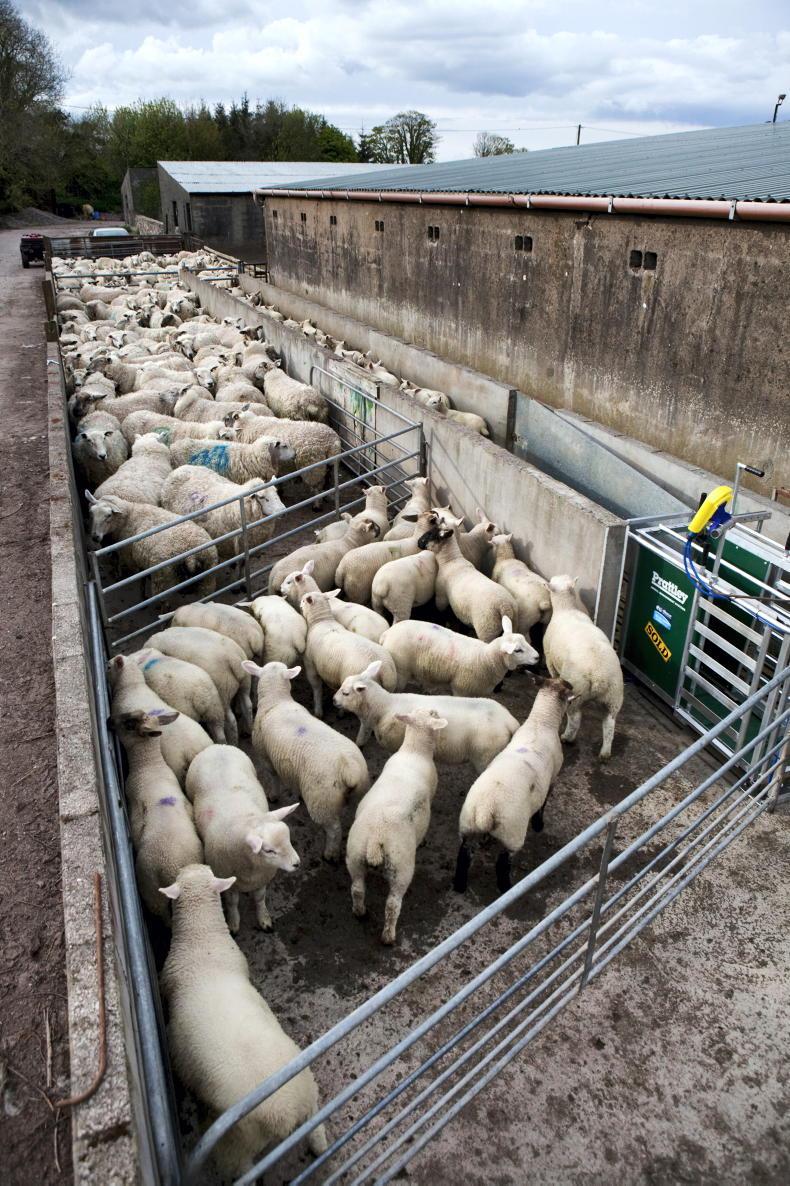
Sheep-handling facilities, Co Cork. \ Donal O'Leary
This will be challenging in terms of budgetary constraints but with labour a vital constraint in sheep production systems, greater assistance is needed to unlock the purchase of
automatic units.
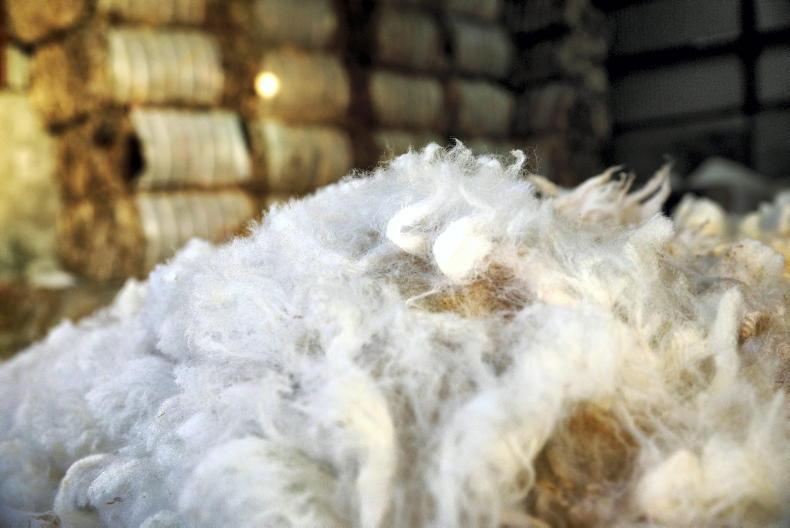
Input costs are, unfortunately, heading in the wrong direction but there is at least some brighter prospects on the horizon for wool prices.
While prices are rising from a low base it is at least a step in the right direction with this season’s price forecasts detailed on page 51.
Preventative control for external parasites is a big component in reducing labour and boosting animal performance. Pages 46 and 47 detail options available to farmers.
Controlling ticks is becoming a more challenging task with an added worry of Lyme disease for farmers and their families to contend with.
World Tick Awareness Day took place last week and page 48 details advice for protecting humans and
animals.
Last but not least, page 49 discusses plans for the OviFlock Project in 2026 and opportunities for hill sheep farmers to become involved.
The level of funding available under the Targeted Agricultural Modernisation Scheme (TAMS III) for investment applications submitted from tranche nine onwards has tightened considerably.
This has resulted in ranking and selection being used in the approval process and approval rates reducing to between 50% and 60% of applications in many schemes and to just 10% for solar, low emission slurry spreading equipment and the dairy equipment scheme.
Minister Martin Heydon did however maintain a 100% approval rate in the farm safety capital investment scheme and urged farmers to continue to assess their holdings from a health and safety perspective.
This implies that priority will continue to be placed on this entry route.
As such, it is worth farmers considering if investments in sheep handling could improve the efficiency of their system.
Eligible items include portable and fixed sheep-handling units, weighing scales, rollover crates, a fixed dipping tank, penning and EID readers.
Pressure also needs to be maintained on the Department of Agriculture to increase the reference cost for specialised handling units with current costs not
reflective.

Sheep-handling facilities, Co Cork. \ Donal O'Leary
This will be challenging in terms of budgetary constraints but with labour a vital constraint in sheep production systems, greater assistance is needed to unlock the purchase of
automatic units.
Input costs are, unfortunately, heading in the wrong direction but there is at least some brighter prospects on the horizon for wool prices.
While prices are rising from a low base it is at least a step in the right direction with this season’s price forecasts detailed on page 51.
Preventative control for external parasites is a big component in reducing labour and boosting animal performance. Pages 46 and 47 detail options available to farmers.
Controlling ticks is becoming a more challenging task with an added worry of Lyme disease for farmers and their families to contend with.
World Tick Awareness Day took place last week and page 48 details advice for protecting humans and
animals.
Last but not least, page 49 discusses plans for the OviFlock Project in 2026 and opportunities for hill sheep farmers to become involved.
SHARING OPTIONS