The majority of livestock farmers’ work happens in February and March.
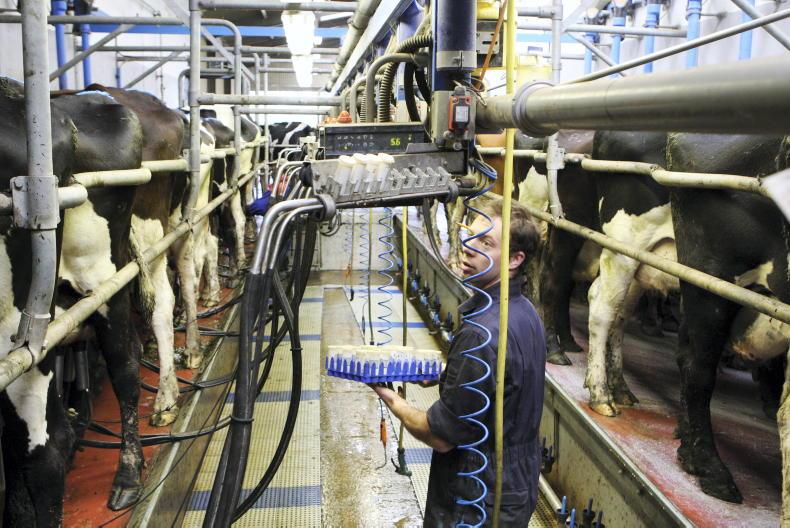
Breeding had traditionally been a busy time for dairy farmers too, but with the adoption of more heat detection aids, much of the work has been eliminated there.
Consequently, while heat detection has reduced labour, it has also reduced the calving spread on many farms that have adopted it.
With spring commanding high levels of labour, smaller issues can to often be neglected
While this is of benefit with cows open fewer days and having increased days in milk, it does lead to extra labour and disease pressure when calving does commence.
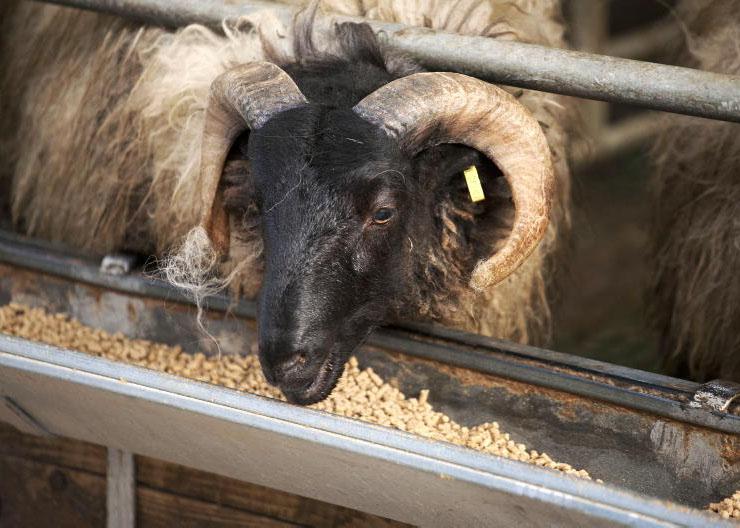
The same can be said for suckler and sheep farmers, with an estimation that a fifth of all labour associated with sheep happens during lambing.
However, many weeks this is will be dependent on flock management. With spring commanding high levels of labour, smaller issues can to often be neglected which can lead to much greater issues.
Thorough cleaning and disinfection of calving/lambing pens is crucial to prevent the buildup of pathogens. Calving pens, calf accommodation (including creep areas for suckler calves) and lambing boxes should all have been power washed prior to use.
Once calving and lambing commences, all bedding should ideally be removed and the area disinfected and re-bedded before being used again.
However, with labour demands, this may not always be possible, and a solid compromise is that hydrated lime is applied on used bedding and the pen re-bedded with clean straw.
Pens should not, as a rule of thumb, be power washed between cows/ewes, as the resulting wetness can harbour bacteria. Pens should be completely dry before being disinfected, bedded and used again.
Cleaning these areas through washing is not generally recommended
‘Wet areas’ in calf accommodation have seen huge uptake in recent years, especially in those designed around automatic feeders. The majority of these areas are solid concrete floors, though some farmers have installed shallow slatted tanks underneath, while others have opted for smaller effluent channels. Cleaning these areas through washing is not generally recommended, as it is adding dampness and moisture to the shed. Keeping these areas scraped regularly is a better option.
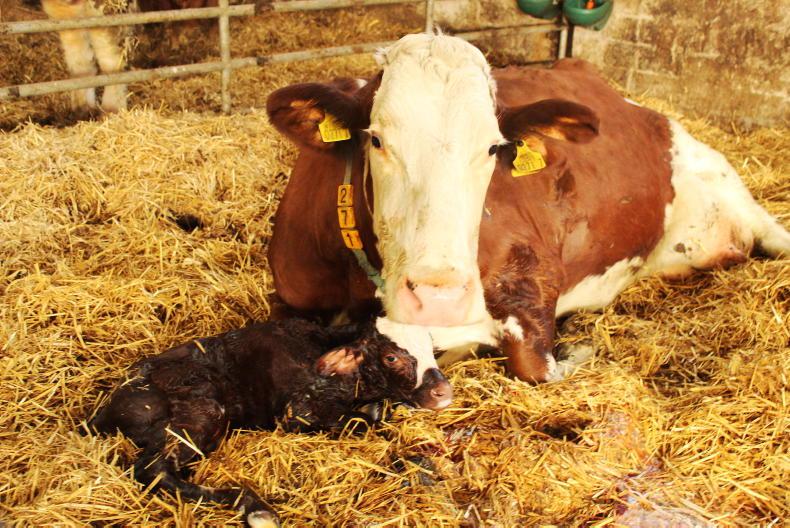
Ventilation in calf houses is one of the trickiest things to get right, as you want to keep cool, clean air coming into the building but not excessive amounts that will cause chills in calves. Protecting young calves from draughts will aid to reduce stress, increase growth rates and prevent pneumonia.
The first thing to note is if there is a draught in the pens. Similar to looking at ventilation, smoke bombs can be used to assess wind flow. Light and position the smoke bomb close to doorways or along walls where there is air inlet spacing through vented sheeting or timber boarding.
There should be a gentle, natural flow of air that flows gently upwards.
Smoke moving along the floor indicates a draught. Some less technical but equally accurate ways to assess if draughts are present is stripping off the coat and getting down to a short sleeve T-shirt.
Bare skin should allow you to feel any breezes coming into a shed – ideally do this on a cool, windy day. Calves consistently huddling together in a pen or along the back wall of the shed can also indicate that they are cold and draughts are present, be they from doors or down draughts from ventilation.
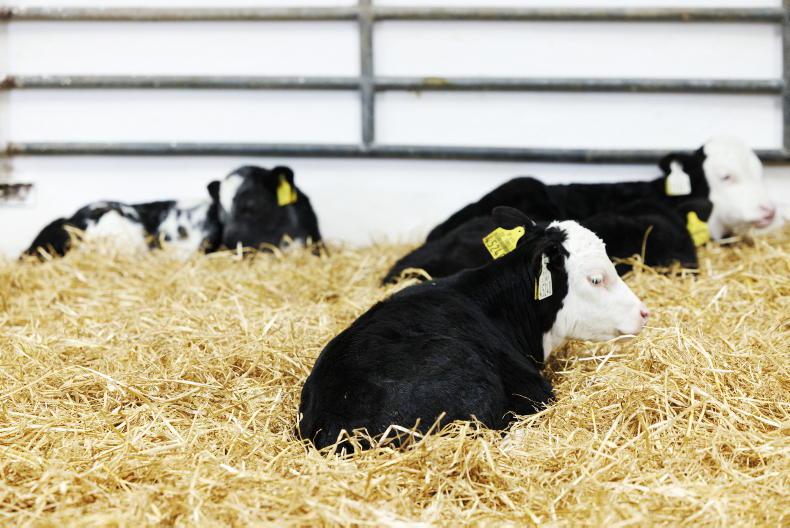
Keeping calves, both suckler and dairy, well bedded is also hugely important.
Calves have an ambient temperature of 18°C; this means they are not using energy to either cool or warm themselves.
With springtime temperatures consistently below this, the ‘nesting effect – whereby a deep bed of clean, dry straw is available – allows calves to insulate themselves. A calf’s legs should not be visible when lying down to optimise this effect, with calves still comfortable at temperatures as low as 8°C.
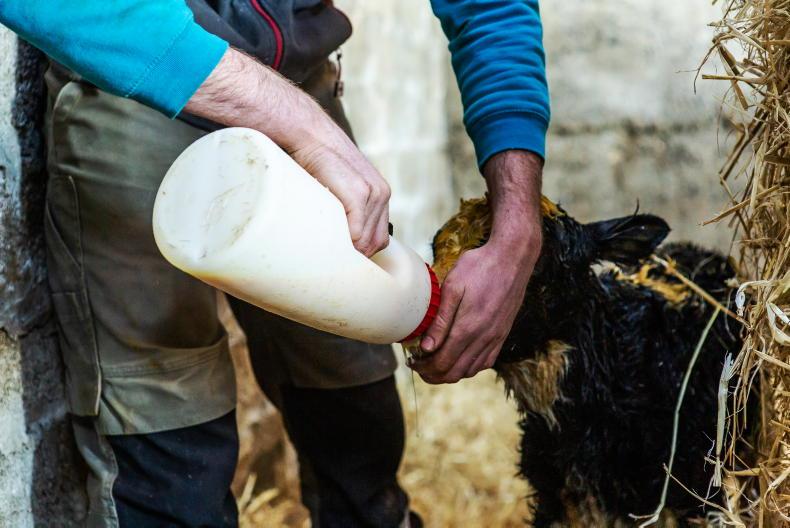
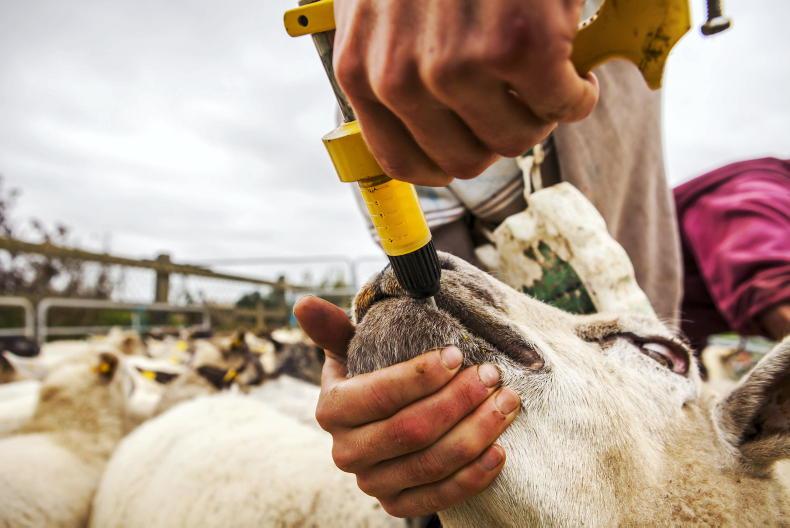
Vaccination is part and parcel of every herd and flock; very few farms do not vaccinate pregnant cows or ewes for at least one disease.
Vaccinating pre-calving or pre-lambing works on the premise that the antibodies developed by the dam will be passed through to the offspring, primarily in colostrum and milk post-partum.
For this reason, timing of vaccination should follow manufacturer guidelines to ensure a sufficient period for the development of antibodies. The primary diseases that animals are vaccinated for post-partum are scours, clostridial diseases, BVD and leptospirosis.
Availability of vaccines has been an issue in recent years, particularly in clostridial vaccines for sheep farmers. Questions have been asked if farmers can switch between manufacturers while they are on a certain programme. While there is no official advice on this, the general consensus is that switching vaccine is of more benefit than skipping a year.
It is something worth discussing with your veterinary practitioner. Where a vaccine requires both a primary and secondary shot (as is common for most annual vaccines that are being used for the first time) then the secondary shot must be administered; not doing so significantly reduces the efficacy of the vaccine and can negate the money spent on the primary shot.
The second critical area regarding vaccination is colostrum management. Where a vaccination programme is in place, calves/lambs must receive sufficient levels of colostrum and transition milk (first few days of milk post-partum) to ensure that essential antibodies are passed from mother to offspring.
Where there are insufficient levels of colostrum produced by the dam, supplementation will be required. The best form of supplementation will be from colostrum produced by your own herd/flock which is frozen and stored for use. When defrosting this colostrum, do so slowly to protect these antibodies; rapid defrosting or heating in a microwave will kill these.
Biosecurity poses a huge risk to farms. While it is necessary that external people come into the yard (vets, relief staff, buyers) correct protocol surrounding footbaths should be implemented.
All visitors to the yard should dip footwear in a disinfectant bath before and after visiting, both as a precaution to your own animals’ health and reducing the risk of diseases being spread from your farm to others.
Purchasing stock is also a major risk, with animals coming in having different immune systems to your own animals. The effect of this is twofold: there is a risk of the purchased stock picking up diseases from animals already in the yard or putting other animals at risk of diseases from this purchased stock.
A relationship between dairy farmers and regular buyers can be developed to both farmers’ benefit
This can be increased where stock is being purchased from several farms or from marts, with this primarily affecting dairy calf to beef farmers.
A way to reduce this is to purchase off-farm from a smaller number of herds where you know the health status of the animal regarding vaccination programmes and colostrum management.
A relationship between dairy farmers and regular buyers can be developed to both farmers’ benefit.
The greater the number of herds from which dairy beef calves are purchased, the greater the risk. Calves mixing with other calves in mart facilities can also increase exposure to diseases.
As mentioned, spring is the busiest time of the year for farmers, and animals’ health and wellbeing is only superseded by your own physical and mental health.
Ensure that the work load is manageable. While labour is scarce, seek it where necessary, even if it is only relief help at the weekends or for managing a larger task.
Contractors are also hugely useful when it comes to a scarcity of labour
Agricultural students are often eager for more experience, and the relationship can be beneficial to both farmer and student
Contractors are also hugely useful when it comes to a scarcity of labour, as they have the expertise and equipment to tackle tasks such as slurry, fertiliser spreading or even feeding of cows at a quicker and more efficient pace than you are likely will be, allowing you to devote more time in the calving or lambing shed.
Diet and sleep are hugely important for both you and your staff. Having a dedicated nighttime calver/lamber means sleep is unbroken for the rest of the team. Keep your body fuelled with good food and take sufficient rest breaks, avoiding an over-reliance on caffeine or energy drinks.