A suckler cow breeding event will take place on Wednesday 22 April 2026 on the Newford suckler demonstration farm in Skrine, Co Roscommon. The 85-cow suckler-to-beef herd has focused heavily in recent years on improving herd performance and reducing labour through smart-farming tools and management practices.
The event will demonstrate how technology aids such as heat detection aids, good handling facilities and compact calving can reduce labour input while still ensuring the farm can operate 100% artificial insemination (AI) and access a wider portfolio of genetics in selecting sires.
Heat detection aids used to good effect in the herd include vasectomised bulls, MooCall heat detection collars, tail paint and a chin ball. The synchronisation programme for heifers will also be discussed in detail.
Cow reproductive performance has consistently been one of the positive pillars of performance in the herd. It has witnessed over 80% of the herd repeatedly calving within the first six weeks of the calving season.
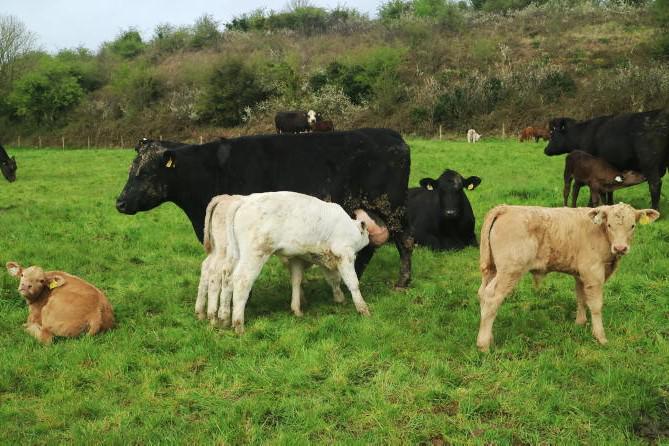
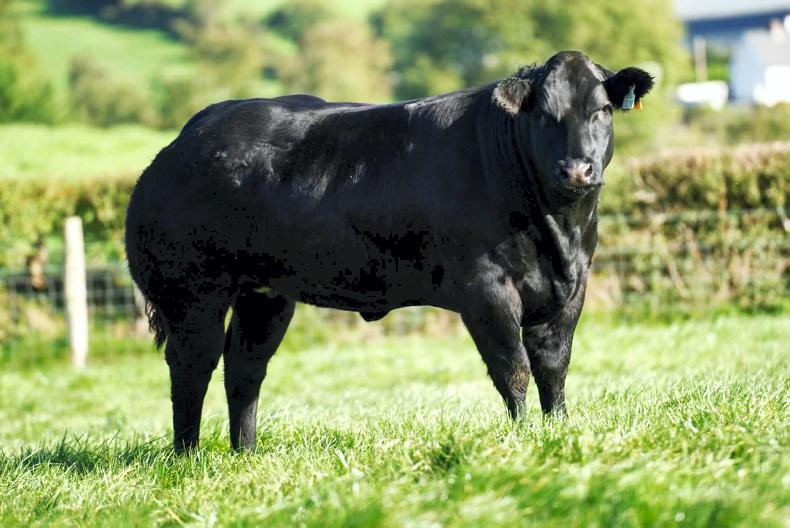
Newford Farm. \ Phill Doyle
This has numerous advantages in terms of achieving increased weaning weights in progeny, operating a shorter window of AI and having calves of a uniform age for administering health treatments.
There will also be a focus on selecting terminal sires and matching sires to particular cows, the importance of body condition score and nutrition in underpinning reproductive performance and key management advice to calve heifers at 24 months and maintain a 365-day calving interval.
Shane McGuinness, Newford Farm manager, said: “Artificial insemination offers significant benefits for suckler herds. It allows farmers to access superior genetics and tailor breeding to the farm’s goals while also reducing the need for handling bulls on-farm and increasing overall efficiency and labour productivity.”
A suckler cow breeding event will take place on Wednesday 22 April 2026 on the Newford suckler demonstration farm in Skrine, Co Roscommon. The 85-cow suckler-to-beef herd has focused heavily in recent years on improving herd performance and reducing labour through smart-farming tools and management practices.
The event will demonstrate how technology aids such as heat detection aids, good handling facilities and compact calving can reduce labour input while still ensuring the farm can operate 100% artificial insemination (AI) and access a wider portfolio of genetics in selecting sires.
Heat detection aids used to good effect in the herd include vasectomised bulls, MooCall heat detection collars, tail paint and a chin ball. The synchronisation programme for heifers will also be discussed in detail.
Cow reproductive performance has consistently been one of the positive pillars of performance in the herd. It has witnessed over 80% of the herd repeatedly calving within the first six weeks of the calving season.

Newford Farm. \ Phill Doyle
This has numerous advantages in terms of achieving increased weaning weights in progeny, operating a shorter window of AI and having calves of a uniform age for administering health treatments.
There will also be a focus on selecting terminal sires and matching sires to particular cows, the importance of body condition score and nutrition in underpinning reproductive performance and key management advice to calve heifers at 24 months and maintain a 365-day calving interval.
Shane McGuinness, Newford Farm manager, said: “Artificial insemination offers significant benefits for suckler herds. It allows farmers to access superior genetics and tailor breeding to the farm’s goals while also reducing the need for handling bulls on-farm and increasing overall efficiency and labour productivity.”
SHARING OPTIONS