



Fodder import subsidies ahead of the winter is a non-runner, Minister for Agriculture Martin Heydon insisted last week as he rejected farming organisation calls for a 2018-style import subsidy scheme.
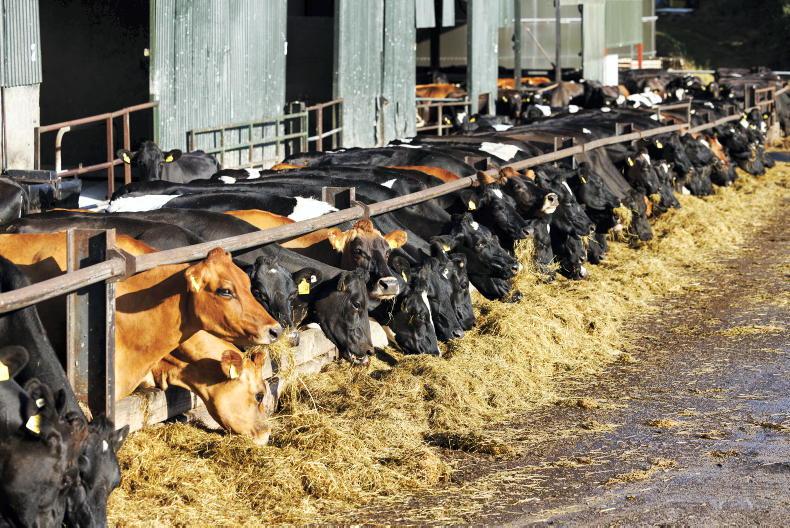
Minister Heydon maintains that there are sufficient fodder reserves across the country to winter cattle over to the 2027 grazing season, even as close to one-quarter of farms have reported fodder stocks of fewer than 100 days’ feeding.
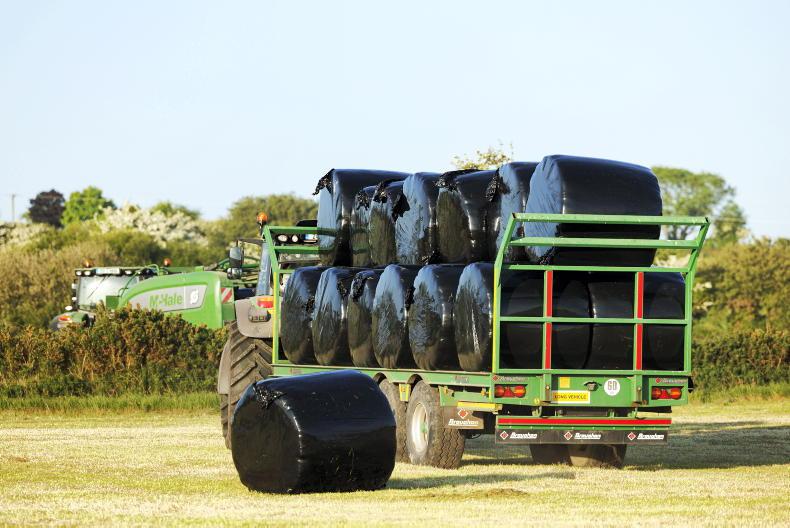
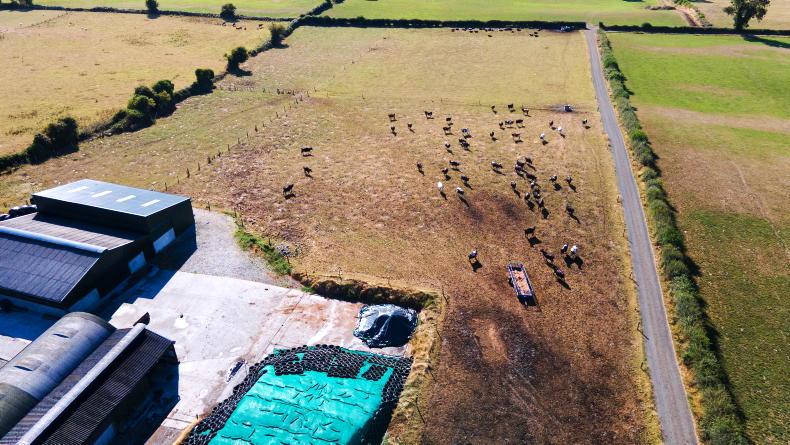
The solution to this year’s fodder challenge will be in diverting surplus supplies from farms that produced bumper crops of silage and hay across the north and west to the severely drought-affected parts of the south and east, the Minister stated.
“Unlike times in 2018 when we were able to import alfalfa, hay and other products from abroad, we know the weather that there has been in Europe, so that option isn’t there,” Minister Heydon said on Friday.
'Solve on our own'
“I am very clear - this is something we need to solve on our own in Ireland and it is something we are capable of doing. I don’t see the importation of feed being a solution to this issue.”
Minister Heydon has also told his counterpart in France that Irish farmers will have no fodder to spare over the coming winter as a European-wide fodder scarcity looms.
He said the French farm minister wrote to him last week seeking fodder in the aftermath of the severe drought that gripped his country over the summer.
The Irish Creamery Milk Suppliers’ Association (ICMSA) said earlier this month that is “almost certain” that “state subvention of the importation of haylage, alfalfa and other types of imported forage to be distributed through Co-ops and registered importers” will be necessary, as it claimed this year’s fodder situation is shaping up to be more severe than the crisis witnessed in 2018.
The ICMSA has said that these subsidies should be focused on the north-west to south-east transport of fodder within the country.
Last week’s meeting of the national fodder and feed security committee heard the body’s chair Mike Magan urge caution on calls for imports, with surplus fodder saved in many parts looking sufficient to tide deficient herds over this winter, in addition to the buffer feeding of straw and native grains.
Magan warned that any attempt to import supplies would be done against the backdrop of tight European fodder supplies, which was not the case in 2018, and with many farmers' who bought imported fodder at that time landed with poorer quality feeds.




SHARING OPTIONS