Have you ever heard of a so-called blue zone?
It’s a region of the world where inhabitants live exceptionally long lives. The term was popularised by American author Dan Buettner, who produced a National Geographic documentary series featuring so-called blue zones in Japan, Costa Rica, the United States, Greece and Sardinia. In terms of actual science, the concept has its critics, but those who study these regions say each blue zone features active lifestyles, low stress, good amount of social interaction and low incidence of disease. They also attribute blue zone longevity to diets rich in whole foods.
Some identified zones are found within the Mediterranean region; an area long known for healthy diets rich in whole grains, fish, fresh vegetables, dairy and good quality meats. They also consume a large amount of olive oil.
Extra-virgin olive oil is high in monosaturated fat and contains some hard-working antioxidants, including polyphenols, which can reduce inflammation and lower your risk of heart disease.
Benefits of oil
Here in Ireland, we produce rapeseed oil, which has a high smoke point (ideal for cooking) and low levels of saturated fat. Rapeseed oil has other benefits, too, including a full range of omega fatty acids and Vitamin E. Olive oil has a lower smoke point and, similar to wine, will take on the unique elements of the terroir in which the olives have been grown.
Suited to an arid climate, olives are not commercially grown in Ireland. But while supporting local producers, we can – and should – enjoy olive oil alongside our Irish rapeseed oil and butter. Especially at this time of year, drizzled over fresh, in-season tomatoes (with a pinch of flaky sea salt), in vinaigrettes for salads, or even in desserts like olive oil cake or chocolate and olive oil mousse.
That said, we need to qualify what “good quality” olive oil means, because the range available to Irish consumers is inconsistent in taste and quality, according to experts.
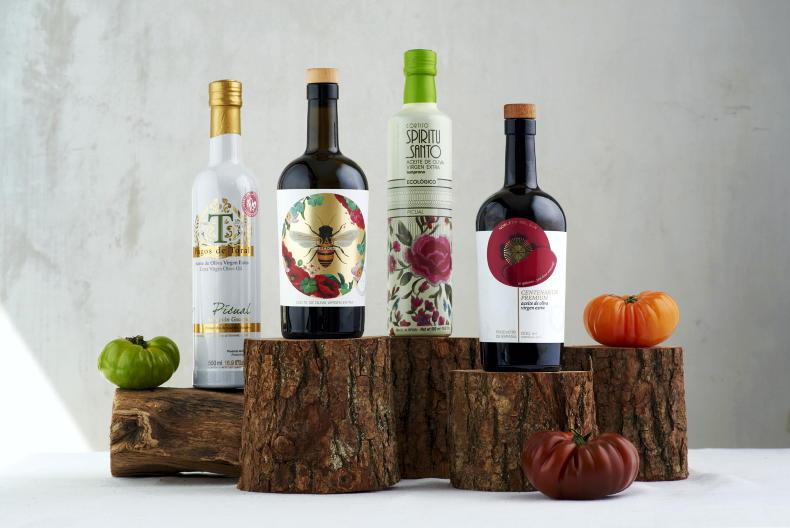
Sarah's range of extra-virgin olive oils are specially selected by Sarah herself. She works with smaller, family-run producers with the majority being organic and chemical-free operations.
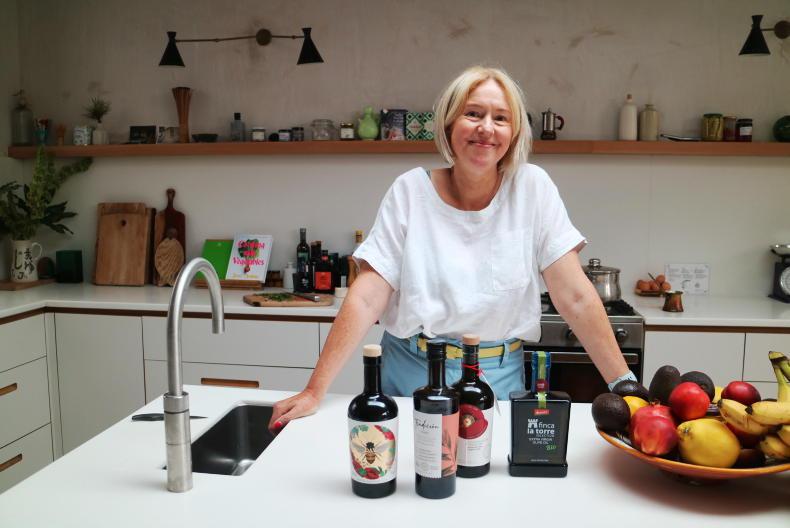
“You might have had more ‘rancid’ extra-virgin olive oils than not,” Dublin-based olive oil sommelier (yes, olive oil sommeliers exist) and owner of Sarah & Olive, Sarah Merrigan, explains at her kitchen table; a range of extra-virgin oils sitting in front of us.
I am about to take part in my first-ever olive oil tasting, consisting of a selection of the oils Sarah imports.
“Given the care and precision which goes into making a well-crafted olive oil, it’s impossible to produce a good one for a fiver,” she says as she pours my first sample. Sarah’s oils are carefully selected from a variety of Spanish producers. The olives for these oils are processed within hours of being harvested. The later harvests produce milder, fruitier oils, while the earlier ones are more complex, with richer aromas.
“Initially, I thought the Irish palate would prefer the lighter, more delicate oils,” she says. “But by and large, people want the more complex, peppery ones.”
Tasting Club
Aside from selling a range of oils on her website sarahandolive.com, Sarah also does tastings at various times of the year. Her Tasting Club is an online subscription offering a year’s worth of olive oil deliveries. She sees a lot of customers buying high-end olive oils as gifts.
However, she also feels that good-quality extra-virgin olive oil should be accessible and relatively affordable, so her product line is organised into premium vs everyday oils. She also categorises her oils into “robust” or “delicate” to help with taste preferences.
Prior to my tasting, I am sceptical. Will I be able to differentiate the variety of oils in front of me? It turns out, I can – with guidance. Some are peppery and while others offer light, fruity aromas. Some smell like the tomato plants currently taking over my polytunnel. All are pleasant – not overly bitter or waxy, as many supermarket oils tend to be.
“It’s funny – that waxy or ‘crayon-like’ aroma indicates an oil has gone off,” Sarah says, “but most people associate that smell with the olive oil they use regularly. This defect which indicates the oil is rancid can occur for many reasons. If the olives were left lying around [before being milled], or if the oil is old [always check the harvest date when buying and only buy the most recent harvest] or something else could have happened along the supply chain.”
To better understand what a high-quality olive oil looks (and smells) like, we first need to understand how olive oils are graded.
“At the top, you have extra-virgin, which is an oil that has never – at any point – been heated to higher than 27°C,” Sarah explains. “Then you need to think about how long the olives are spending in the machines, because the longer they are processed, the warmer they become. When I did my sommelier training, we were lectured by experts from all over the world including engineers and farmers. It was amazing to learn about the attention to detail that goes into making an olive oil as good as it can be.”
Aside from being produced at a colder temperature, for an olive oil to be extra-virgin, it can’t have any defects. Sarah says that since olive oil is a living thing, it can ferment or oxidise quite easily. After processing, all oils are lab-tested for acidity levels.
“For extra-virgin olive oil, the acidity can never go above 0.8%,” Sarah says. “Then, the oils go through a sensorial test. They are blind-tasted to look for any defects. If defects are found, the oil cannot be considered extra-virgin, but then it needs to be decided how defective it is and graded accordingly.”
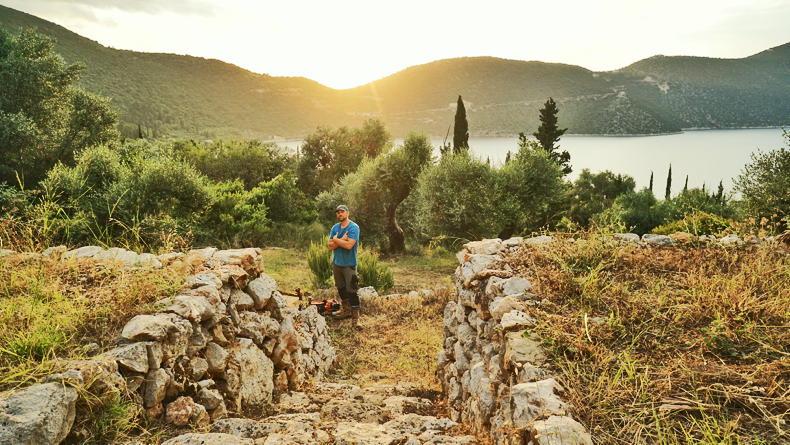
The couple's olive grove, which has been in Robin's family for three generations, was neglected for 15 years and requires significant care to restore its yield potential.
The lower grades of olive oil include virgin olive oil, regular olive oil and olive pomace oil. There are further grades not intended for human consumption.
Sarah only works with small Spanish producers, most of which are certified organic (or biodynamic) and family-run.
She credits a good olive oil to the passion and attention to detail of the producers and feels the health benefits of higher-quality oils is an additional reason to support these producers.
“As I got more into olive oil, I got more into the health benefits,” she says.
“In recent years, there’s been a lot of research into the Mediterranean diet and olive oil has always been a cornerstone of that. They’ve also found that if you harvest the olives when they’re still slightly under-ripe, you get higher concentrations of polyphenols, so these green, early harvest oils are the ones I focus on at Sarah & Olive.”
In recent years, harvests have not been as fruitful for olive oil producers and prices have increased at production level. This means consumers are paying more for olive oil, as well, but if you use olive oil regularly and can manage to spend a bit more, you can get better flavour and increased nutritional benefits.
“When buying an olive oil, one of the most important things to look for is when it was made and the sell by date,” Sarah says. “Always consume olive oil within a year of its harvest. My producers will be harvesting in October, the earliest I can get it into Ireland is November, then you’d want to be consuming the oil you buy in November within the year.”
See sarahandolive.com.
Have you ever heard of a so-called blue zone?
It’s a region of the world where inhabitants live exceptionally long lives. The term was popularised by American author Dan Buettner, who produced a National Geographic documentary series featuring so-called blue zones in Japan, Costa Rica, the United States, Greece and Sardinia. In terms of actual science, the concept has its critics, but those who study these regions say each blue zone features active lifestyles, low stress, good amount of social interaction and low incidence of disease. They also attribute blue zone longevity to diets rich in whole foods.
Some identified zones are found within the Mediterranean region; an area long known for healthy diets rich in whole grains, fish, fresh vegetables, dairy and good quality meats. They also consume a large amount of olive oil.
Extra-virgin olive oil is high in monosaturated fat and contains some hard-working antioxidants, including polyphenols, which can reduce inflammation and lower your risk of heart disease.
Benefits of oil
Here in Ireland, we produce rapeseed oil, which has a high smoke point (ideal for cooking) and low levels of saturated fat. Rapeseed oil has other benefits, too, including a full range of omega fatty acids and Vitamin E. Olive oil has a lower smoke point and, similar to wine, will take on the unique elements of the terroir in which the olives have been grown.
Suited to an arid climate, olives are not commercially grown in Ireland. But while supporting local producers, we can – and should – enjoy olive oil alongside our Irish rapeseed oil and butter. Especially at this time of year, drizzled over fresh, in-season tomatoes (with a pinch of flaky sea salt), in vinaigrettes for salads, or even in desserts like olive oil cake or chocolate and olive oil mousse.
That said, we need to qualify what “good quality” olive oil means, because the range available to Irish consumers is inconsistent in taste and quality, according to experts.

Sarah's range of extra-virgin olive oils are specially selected by Sarah herself. She works with smaller, family-run producers with the majority being organic and chemical-free operations.
“You might have had more ‘rancid’ extra-virgin olive oils than not,” Dublin-based olive oil sommelier (yes, olive oil sommeliers exist) and owner of Sarah & Olive, Sarah Merrigan, explains at her kitchen table; a range of extra-virgin oils sitting in front of us.
I am about to take part in my first-ever olive oil tasting, consisting of a selection of the oils Sarah imports.
“Given the care and precision which goes into making a well-crafted olive oil, it’s impossible to produce a good one for a fiver,” she says as she pours my first sample. Sarah’s oils are carefully selected from a variety of Spanish producers. The olives for these oils are processed within hours of being harvested. The later harvests produce milder, fruitier oils, while the earlier ones are more complex, with richer aromas.
“Initially, I thought the Irish palate would prefer the lighter, more delicate oils,” she says. “But by and large, people want the more complex, peppery ones.”
Tasting Club
Aside from selling a range of oils on her website sarahandolive.com, Sarah also does tastings at various times of the year. Her Tasting Club is an online subscription offering a year’s worth of olive oil deliveries. She sees a lot of customers buying high-end olive oils as gifts.
However, she also feels that good-quality extra-virgin olive oil should be accessible and relatively affordable, so her product line is organised into premium vs everyday oils. She also categorises her oils into “robust” or “delicate” to help with taste preferences.
Prior to my tasting, I am sceptical. Will I be able to differentiate the variety of oils in front of me? It turns out, I can – with guidance. Some are peppery and while others offer light, fruity aromas. Some smell like the tomato plants currently taking over my polytunnel. All are pleasant – not overly bitter or waxy, as many supermarket oils tend to be.
“It’s funny – that waxy or ‘crayon-like’ aroma indicates an oil has gone off,” Sarah says, “but most people associate that smell with the olive oil they use regularly. This defect which indicates the oil is rancid can occur for many reasons. If the olives were left lying around [before being milled], or if the oil is old [always check the harvest date when buying and only buy the most recent harvest] or something else could have happened along the supply chain.”
To better understand what a high-quality olive oil looks (and smells) like, we first need to understand how olive oils are graded.
“At the top, you have extra-virgin, which is an oil that has never – at any point – been heated to higher than 27°C,” Sarah explains. “Then you need to think about how long the olives are spending in the machines, because the longer they are processed, the warmer they become. When I did my sommelier training, we were lectured by experts from all over the world including engineers and farmers. It was amazing to learn about the attention to detail that goes into making an olive oil as good as it can be.”
Aside from being produced at a colder temperature, for an olive oil to be extra-virgin, it can’t have any defects. Sarah says that since olive oil is a living thing, it can ferment or oxidise quite easily. After processing, all oils are lab-tested for acidity levels.
“For extra-virgin olive oil, the acidity can never go above 0.8%,” Sarah says. “Then, the oils go through a sensorial test. They are blind-tasted to look for any defects. If defects are found, the oil cannot be considered extra-virgin, but then it needs to be decided how defective it is and graded accordingly.”

The couple's olive grove, which has been in Robin's family for three generations, was neglected for 15 years and requires significant care to restore its yield potential.
The lower grades of olive oil include virgin olive oil, regular olive oil and olive pomace oil. There are further grades not intended for human consumption.
Sarah only works with small Spanish producers, most of which are certified organic (or biodynamic) and family-run.
She credits a good olive oil to the passion and attention to detail of the producers and feels the health benefits of higher-quality oils is an additional reason to support these producers.
“As I got more into olive oil, I got more into the health benefits,” she says.
“In recent years, there’s been a lot of research into the Mediterranean diet and olive oil has always been a cornerstone of that. They’ve also found that if you harvest the olives when they’re still slightly under-ripe, you get higher concentrations of polyphenols, so these green, early harvest oils are the ones I focus on at Sarah & Olive.”
In recent years, harvests have not been as fruitful for olive oil producers and prices have increased at production level. This means consumers are paying more for olive oil, as well, but if you use olive oil regularly and can manage to spend a bit more, you can get better flavour and increased nutritional benefits.
“When buying an olive oil, one of the most important things to look for is when it was made and the sell by date,” Sarah says. “Always consume olive oil within a year of its harvest. My producers will be harvesting in October, the earliest I can get it into Ireland is November, then you’d want to be consuming the oil you buy in November within the year.”
See sarahandolive.com.
SHARING OPTIONS