In June, the European Union (EU) proposed changes to their Plant Reproductive Material (PRM) framework. Like so much legislative language within European politics, it can be difficult for the average citizen to wrap their head around what this means and how it affects the future of Ireland. Is it even a big deal?
For those who like to grow vegetables, keep a garden and save their own seeds, and for those who support farmers saving and sharing seed, it is.
When it comes to sharing and saving seeds, tubers or saplings, let’s just state the obvious: biosecurity is important. Consumers purchasing seeds should feel confident that those seeds will a) germinate and grow as expected and b) have no negative effect on the rest of their garden or on neighbouring farms.
Readers might recall that in 2021, highly invasive blackgrass was found in wildflower seed mixes coming from the United Kingdom. The effects of blackgrass on a tillage farm could be catastrophic. So, regulation on seeds – particularly around the quality, safety and sustainability of seeds – is important.
On the other side of the coin, just a few multinational corporations currently control more than 50% of the seed sold in the world. While most Irish tillage seed is sourced from smaller UK and European seed breeding companies, in much of the world, farmers and land workers are often tied into buying seeds from these larger corporations. These seeds are generally genetically modified in some way, meant for single-use and are not able to be saved.
When legislation favours what kind of seed can be commercially used, and in what capacity, it can increase dependence on these businesses and lead to things like crop diversity falling by the wayside. Seed sovereignty activists believe this negatively affects the rights of poorer farmers, in particular, to better their farms and financial situations.
According to the United Nations Food and Agriculture Organisation (FAO), over 75% of genetic diversity of agricultural crops was lost during the 20th century.
Diversity and sustainability are going to be key factors for Irish farmers facing an uncertain future with the climate crisis.
The question is: do we put our trust in technology and multinational corporations, or the age-old practice of saving and sharing seed for future harvests? Or, is there a future which respects both? These new proposed regulations within the EU seem to indicate the latter.
Plant Reproductive Material
The EU framework on plant reproducing material was created to ensure the quality and health of any plant materials used for reproduction, ie, seeds, cuttings or tubers, but it hasn’t changed since the 1960s. This new regulation aims to modernise the framework through rule harmonisation and reducing administrative burdens.
The new regulations will come into effect in 2031 and include updated sustainability requirements for new agricultural plant, fruit and vegetable registrations meant for professional-scale use.
They also allow for the exchange of seed in kind between farmers in very small quantities. Though tillage farmers growing cereals in Ireland cannot trade seed between farms under any circumstances, the new rules will exempt amateur gardeners and conservation organisations from many of the requirements.
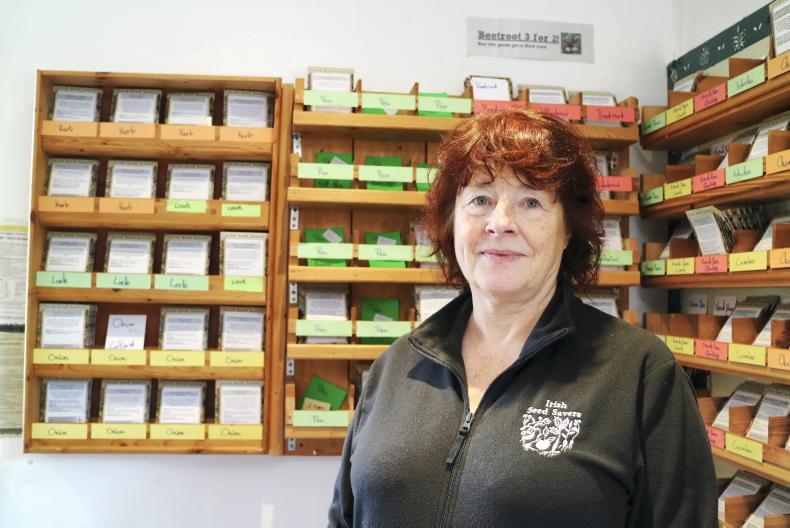
“[It] moves away from relying almost exclusively on narrow derogations and towards recognising conservation and conservation-through-use as legitimate functions within the mainstream PRM framework,” explains Elaine Bradley, executive director of the Irish Seed Savers Association (ISSA).
“While it does not remove regulation, it creates explicit legal space for seed conservation networks, gene banks and farmer-to-farmer exchange that currently operate in a legal grey area.”
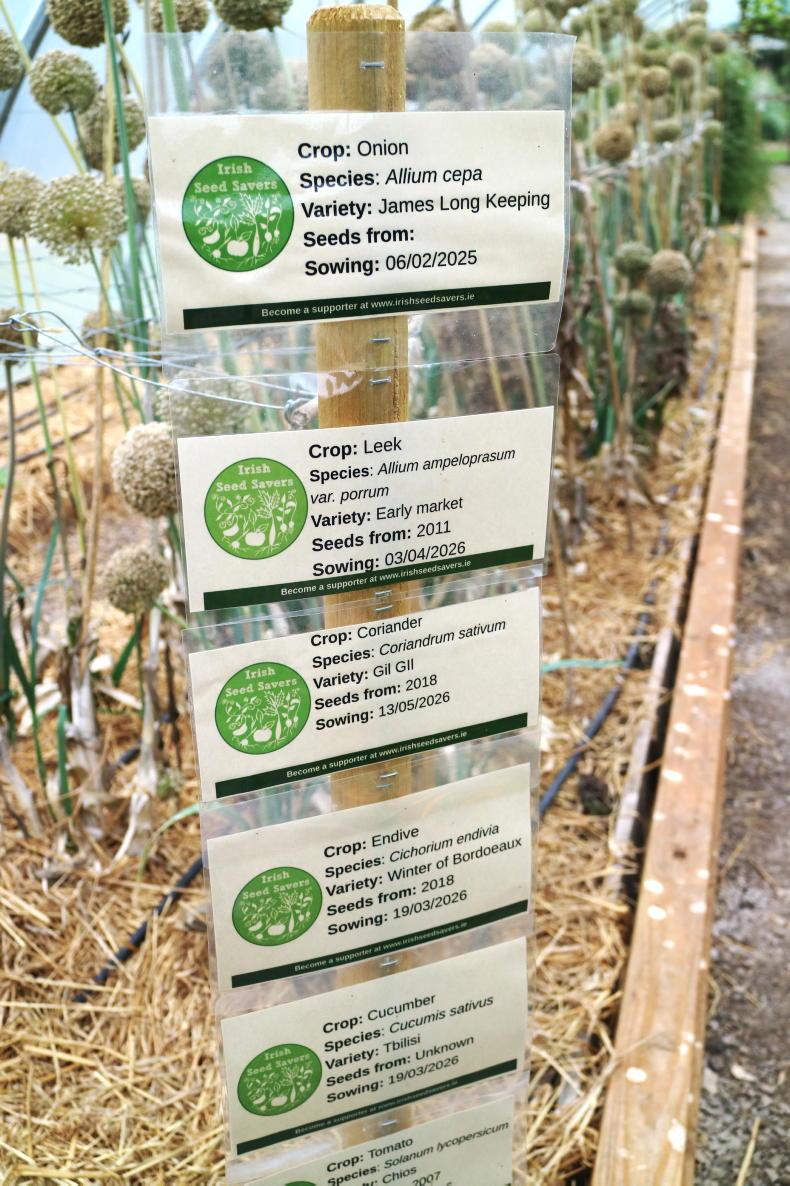
ISSA, based in Scarriff, Co Clare, is one such conservation organisation which, for decades, has been trying to operate within vague EU regulations around seed saving. Their gene bank is immaculately managed and contains over 600 varieties of heritage seed alongside Ireland’s national heritage collection of apple trees, which includes more than 180 varieties. The organisation relies on bits of fragmented derogation to adhere to current EU regulation.
“One of the stated objectives is to support the conservation and sustainable use of plant genetic resources,” Elaine says. “This elevates conservation from a ‘tolerated exception’ to an explicit policy objective, alongside biodiversity and climate resilience. As a gene bank, ISSA would move from operating through piecemeal exemptions to being recognised as a legitimate conservation institution with a tailored regulatory framework.”
While regulatory obligations remain, the direction of travel is clear: conservation and farmer-led stewardship are treated as integral components of the European seed system rather than marginal exceptions.”
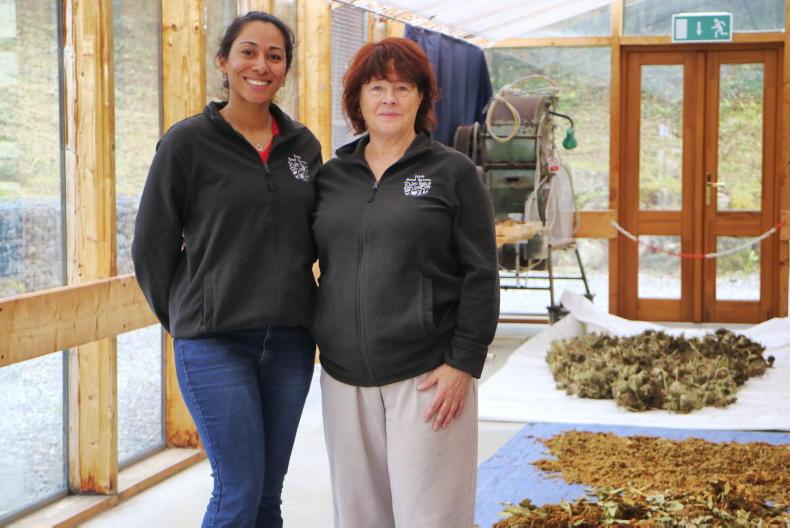
ISSA’s seed bank is managed by head of conservation, Dr Carimi Cortez.
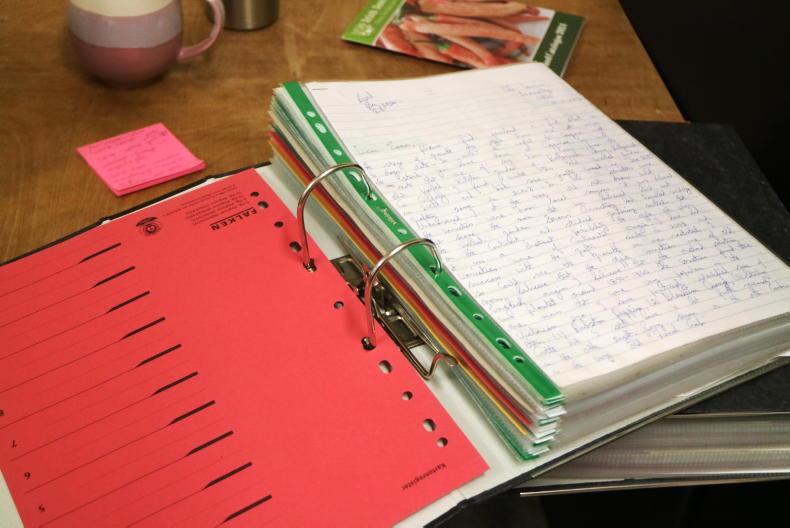
Each day, their seeds are air-dried, hand-harvested and tested to ensure viability before going into cold storage. Some are saved in the gene bank, while others are packaged and sold to growers via their online and on-site shops. Biosecurity is a top priority for them, but they also maintain a plethora of records from seed savers, including handwritten letters and descriptions of plants.
Preserving this Irish heritage as a living history is a huge element of their work, and they believe seeds should be shared and used rather than simply preserved.
The new regulations recognise the idea of “conservation through use”, which ties in with this ethos. Elaine says these proposed changes to legislation are “evolutionary rather than revolutionary” and will still require professional operator registration, traceability, plant health compliance, official controls and some registration of conservation varieties.
“It does not establish an unrestricted ‘right to exchange seed,’” she says. “Nor does it fully implement the broad interpretation of Farmers’ Rights under the International Treaty on Plant Genetic Resources, or the UN Declaration on the Rights of Peasants, which some NGOs had sought. The Commission instead adopts a regulated model with lighter rules for conservation activities.”
See irishseedsavers.ie.
DAFM response
When it comes to major tillage and forage crops, the Department of Agriculture, Food and the Marine (DAFM) operates an independent variety evaluation programme. They tell Irish Country Living that varieties are comprehensively tested under Irish conditions for at least three years – usually much longer – with the best-performing varieties communicated to farmers via their ‘Recommended Lists’. They say this helps Irish farmers stay competitive, and the system captures the impact of changing climate and the varieties that perform best.
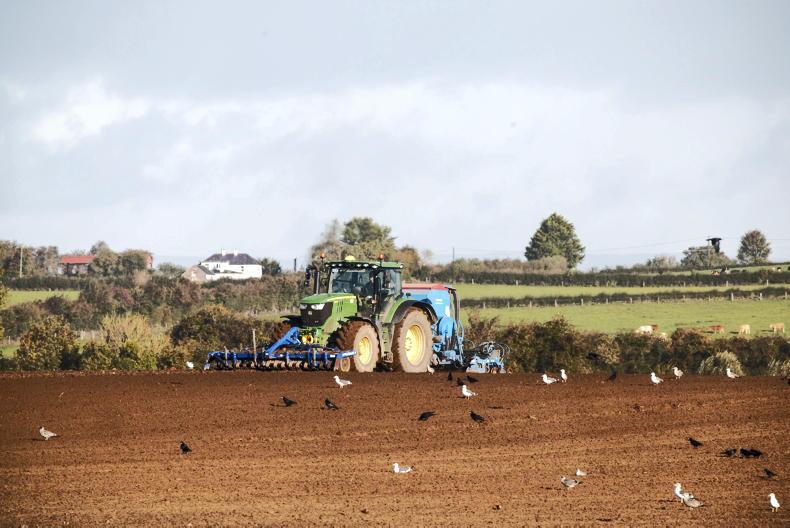
“The department operates the Irish seed certification system in line with EU rules and regulations,” a DAFM representative explains. “The majority of seed used by Irish tillage farms is grown and certified in Ireland. Farmers are currently allowed to home-save seed, subject to paying a royalty if the variety is registered, and subject to plant variety rights which returns income to plant breeders, large and small.
“The royalty is a reduced rate compared to commercially produced seed. The recently agreed EU Plant Reproductive Material Regulation [expected to apply in 2031] provides for the exchange in kind between farmers of seed of non-protected varieties.”
DAFM provides significant financial support to organisations like ISSA through their annual Conservation of Plants and Animals Genetic Resources Scheme. They add: “The department also conserves cereals, grasses, clovers, crop wild relatives and potato plant genetic resources in the Department gene banks, in addition to supporting and collaborating with other gene banks. The recent sod-turning for a new flour mill in Co Wexford, with significant state support, is indicative of the Government’s support for improving food security in key food types.”
Seed sovereignty refers to the right for farmers, land workers and citizens to save and share their own seeds. It also refers to the right for these groups to grow and control their own seeds rather than relying on corporate designed varieties.
What it means
1. In June, 2026, the EU proposed updated regulations around the sharing, selling and saving of seeds, tubers, saplings or any other plant reproductive material.
2. In many ways, these changes will make it easier for conservation groups to save seeds and it will streamline rules around saving and sharing seeds (in very small amounts).
3. Some believe the regulations do not go far enough to help ensure seed sovereignty for all, including marginalised farming and land worker groups.
4. Seed sovereignty is the belief in the right to save and share seeds without heavy government involvement.