Further consolidation within the international grain-trading sector could be on the cards after reports emerged last week that Glencore International, the Swiss-based commodities group, is in talks with rival trading houses and a number of sovereign wealth funds to sell a stake in its agriculture division.
Glencore has been one of the hardest-hit international businesses from the recent tremors coming from China. In the last 12 months, the group’s share price has collapsed by more than 65%, with shareholders becoming increasingly concerned about the impact the slowdown in China is having on commodity prices.
Last month, Glencore began a $2.5bn equity-raising programme in an attempt to cut its $30bn net debt by one third. In addition to this, it is believed Glencore is now open to offers for a stake in its agriculture division, valued at around $12bn (€10bn). However, some market analysts believe the commodity giant may sell the entire division for the right offer.
Offers
The global trade of agricultural commodities has long been dominated by just four companies, simply known as the ABCDs. The initials stand for Archer Daniels Midland, Bunge, Cargill and Dreyfus Commodities and the scale of these companies makes it difficult for smaller competitors to viably challenge them.
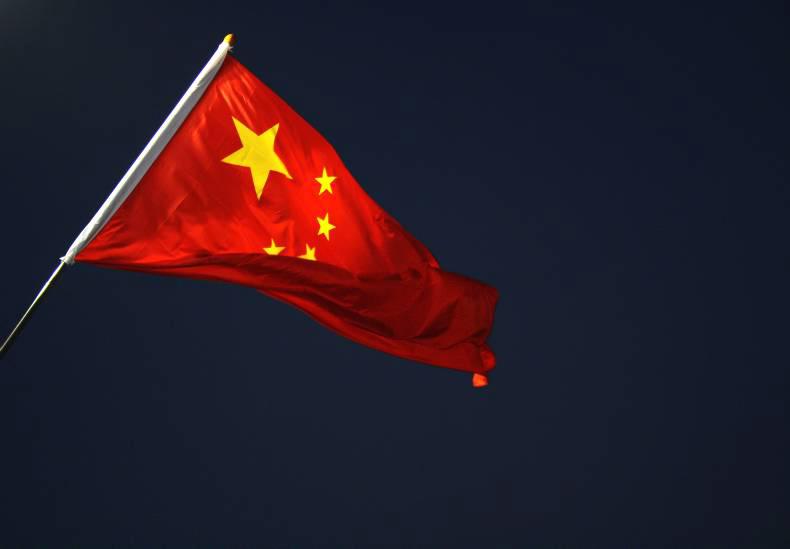
However, Glencore has built up a sizeable operation since it began to expand in the sector a number of years ago. In recent years, China’s largest food company, the state-backed COFCO, has also begun an aggressive expansion strategy into the international grain commodity trading sector as China seeks to become less dependent on the ABCDs for grain supplies.
Last year, COFCO paid more than €1.4bn for a 50% stake in the Noble Group’s agri division, while at the same time acquiring a 51% stake in the Dutch grain trader Nidera for more than €1bn.
As such, it is no surprise that COFCO was one of the first names linked with the reports Glencore is to sell a stake in its agricultural division. Others understood to be in talks with Glencore include a Saudi Arabian sovereign wealth fund, as well as a number of Canadian pension funds, according to Reuters.
Move into agri
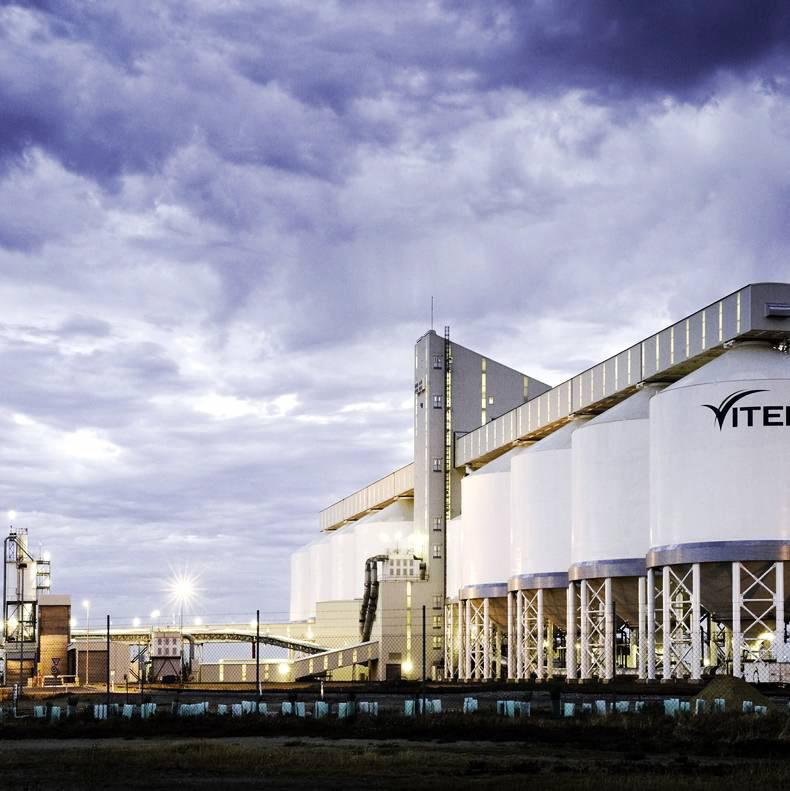
While primarily dealing in the mining and metals industries, Glencore became a sizeable player in agricultural commodity markets in 2012 when it acquired Viterra, a Canadian grain trader, for €5.5bn. The acquisition of Viterra, which handles up to 45% of Canadian grain and oilseeds, gave Glencore a footprint in North America. The acquisition was made at a very opportune time for Glencore, as the Canadian wheat market was in the process of being deregulated.
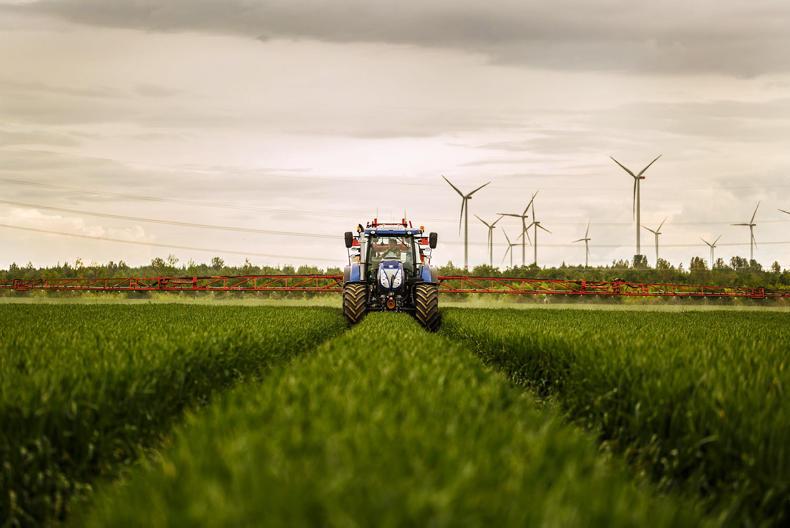
Glencore has since grown to become one of the world’s largest traders of wheat, handling about one fifth of all traded wheat grains. While it has no operations in the US, Glencore has a direct presence in Europe, the Balkan region and Russia.
The group also owns the majority of the grain storage capacity in southern Australia after it acquired Australia’s largest agribusiness ABB (former Australian Barley Board) in 2009.
Read more
Bunge – A critical link in the food chain
The great fall of China – Part 1
The great fall of China – Part 2
Further consolidation within the international grain-trading sector could be on the cards after reports emerged last week that Glencore International, the Swiss-based commodities group, is in talks with rival trading houses and a number of sovereign wealth funds to sell a stake in its agriculture division.
Glencore has been one of the hardest-hit international businesses from the recent tremors coming from China. In the last 12 months, the group’s share price has collapsed by more than 65%, with shareholders becoming increasingly concerned about the impact the slowdown in China is having on commodity prices.
Last month, Glencore began a $2.5bn equity-raising programme in an attempt to cut its $30bn net debt by one third. In addition to this, it is believed Glencore is now open to offers for a stake in its agriculture division, valued at around $12bn (€10bn). However, some market analysts believe the commodity giant may sell the entire division for the right offer.
Offers
The global trade of agricultural commodities has long been dominated by just four companies, simply known as the ABCDs. The initials stand for Archer Daniels Midland, Bunge, Cargill and Dreyfus Commodities and the scale of these companies makes it difficult for smaller competitors to viably challenge them.
However, Glencore has built up a sizeable operation since it began to expand in the sector a number of years ago. In recent years, China’s largest food company, the state-backed COFCO, has also begun an aggressive expansion strategy into the international grain commodity trading sector as China seeks to become less dependent on the ABCDs for grain supplies.
Last year, COFCO paid more than €1.4bn for a 50% stake in the Noble Group’s agri division, while at the same time acquiring a 51% stake in the Dutch grain trader Nidera for more than €1bn.
As such, it is no surprise that COFCO was one of the first names linked with the reports Glencore is to sell a stake in its agricultural division. Others understood to be in talks with Glencore include a Saudi Arabian sovereign wealth fund, as well as a number of Canadian pension funds, according to Reuters.
Move into agri
While primarily dealing in the mining and metals industries, Glencore became a sizeable player in agricultural commodity markets in 2012 when it acquired Viterra, a Canadian grain trader, for €5.5bn. The acquisition of Viterra, which handles up to 45% of Canadian grain and oilseeds, gave Glencore a footprint in North America. The acquisition was made at a very opportune time for Glencore, as the Canadian wheat market was in the process of being deregulated.
Glencore has since grown to become one of the world’s largest traders of wheat, handling about one fifth of all traded wheat grains. While it has no operations in the US, Glencore has a direct presence in Europe, the Balkan region and Russia.
The group also owns the majority of the grain storage capacity in southern Australia after it acquired Australia’s largest agribusiness ABB (former Australian Barley Board) in 2009.
Read more
Bunge – A critical link in the food chain
The great fall of China – Part 1
The great fall of China – Part 2






SHARING OPTIONS