



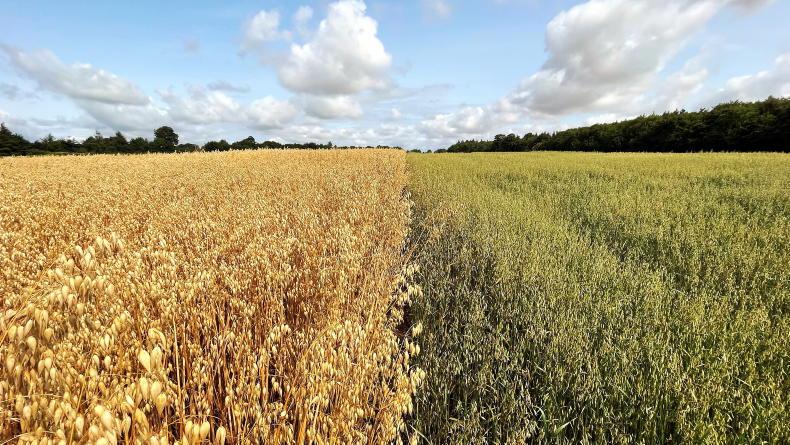
A new study has revealed how the choice of variety at farm level can directly influence the nutritional value of oats.
The findings come from the NutriOats project and show the significant nutritional differences across nearly 100 oat varieties grown in Ireland.
NutriOats is a collaborative project between Teagasc and University College Cork and funded by the Research Ireland (RI) Pathway programme.
The study, published in npj Science of Food (Nature Portfolio), is one of the most comprehensive assessments of oat composition to date.
In Ireland, oat varieties have traditionally been selected mainly due to their agronomic performance.
However, this project brings together agriculture and nutritional science to examine how different oat varieties can affect health outcomes, while still maintaining performance in the field.
Untapped nutritional potential
Results from the study indicate significant variations in nutrient contents, for example protein, carbohydrate, fat and ß-glucan content, of different oat varieties which could be used to better align crop selection with consumer health.
“By mapping the nutritional profiles of almost 100 oat varieties, we have seen remarkable diversity. For example, protein levels ranged from 11.5% to 22.9% and cholesterol-lowering ß-glucan ranged from 2.8% to 6.6%.
"This shows that oats hold untapped nutritional potential and that selecting the right variety can help consumers better meet their nutritional needs,” project leader and RI Research Fellow at Teagasc Dr Daniela Freitas outlined.
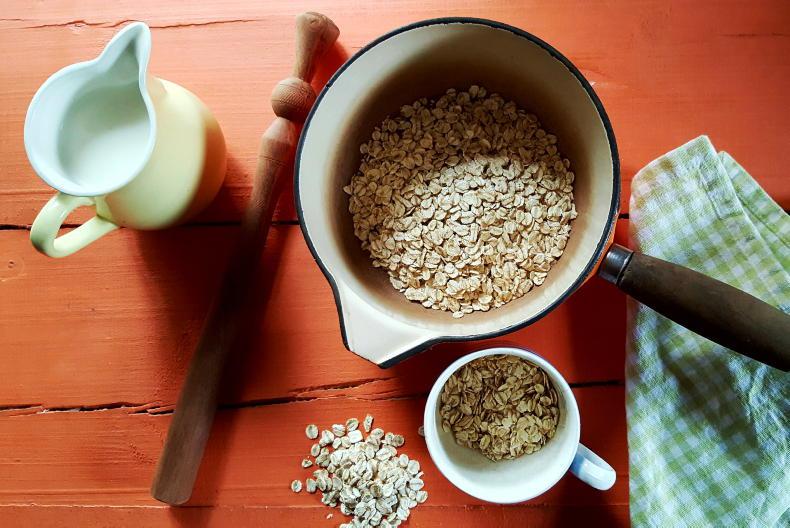
“Our findings show that some oat varieties can deliver a considerable amount of protein, for example, a standard portion of porridge cooked with milk contains more protein than two eggs.
"Some varieties provide nearly twice the ß-glucan of commercially available porridge oats, which could help to meet the daily intake targets for cholesterol-lowering benefits,” PhD researcher Nefeli Lampoglou, who carried out the study, explained.
Implications for food industry
This new research also has positive implications for the food industry, as oat varieties can be selected based on their nutritional profiles, revealing new opportunities for product innovation, health-focused claims and the development of differentiated, high-value food products using Irish-grown ingredients.
“We are often searching for solutions to feed a growing population, especially in terms of protein foods, but some of those solutions may already be right in front of us. Sometimes all we need is to look at them through a different lens,” Teagasc research officer working in oat agronomy and physiology Dr Atikur Rahman commented.
Further research is now examining how these nutritional composition differences influence digestion and metabolic responses, such as effects on blood glucose, bringing this research closer to real-world dietary applications, Teagasc has said.






SHARING OPTIONS