



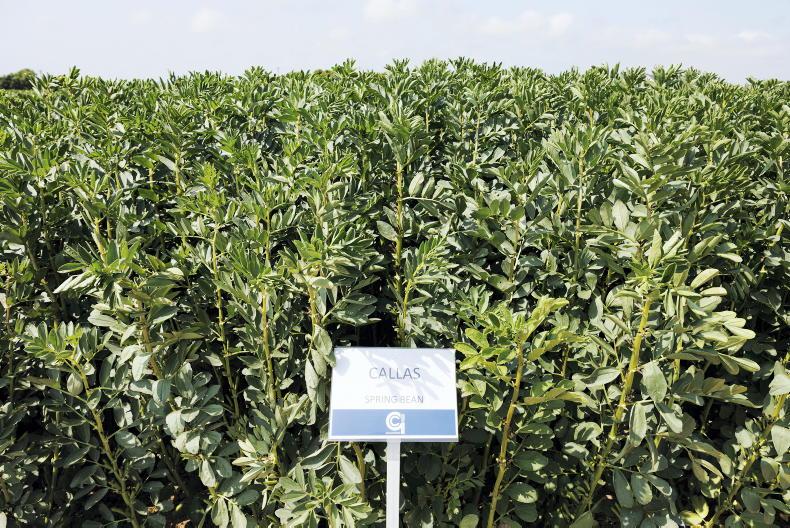
I had thought that we would have no problem in ploughing and sowing our beans. I was wrong – completely wrong. The beans is the last crop to be sown and the only spring crop on the place.
Thinking about it, it’s no accident that the farm has developed as a winter crop operation.
Over the last decades we have only sown a cereal crop in the spring when we failed to get the planned autumn crops into the ground for reasons of weather or unexpected problems.
Beans are the only exception. I would rather sow them in the autumn, but I have seen too many examples of crows wiping out crops over the winter. Unless we get a bird repellent seed dressing we have little option but to stick with spring sowing.
But to get back to this year. We began ploughing with high expectations and while we had saturated land back in January, I was confident that with a dry February and the drains no longer running that we could plough and sow with the one-pass following straight after.
In reality the soil turned up damp and sticky.
I tried the old test of taking a lump of soil and seeing would it crumble in my hand as I tried to mould it into a ball or if it would form itself into a hard golf ball like sphere.
It was much more like a golf ball.To attempt to sow would be to invite real damage to the soil structure, as well as causing harmful soil compaction.
After a few acres we took stock, stopped ploughing, consoled ourselves that it was still only early March and that we had another six weeks or so to get the crop in.
Deep retentive soils have real strengths – especially in a dry year – but they have to be treated with respect in early spring.
Cattle
In the meantime, we continue to sell cattle as they become fit. We have bought in as many replacements as we need for the moment, but this year is developing along different lines.
Every farm commodity is showing weakness and for the beef cattle, while there is a slight bounce this week, it is different from the normal spring strengthening that we would expect as the costs of production keep mounting
The same cost pressures are looming on the cereal side, with the wheat price on the international market this week over 40% below the price of this week last year.
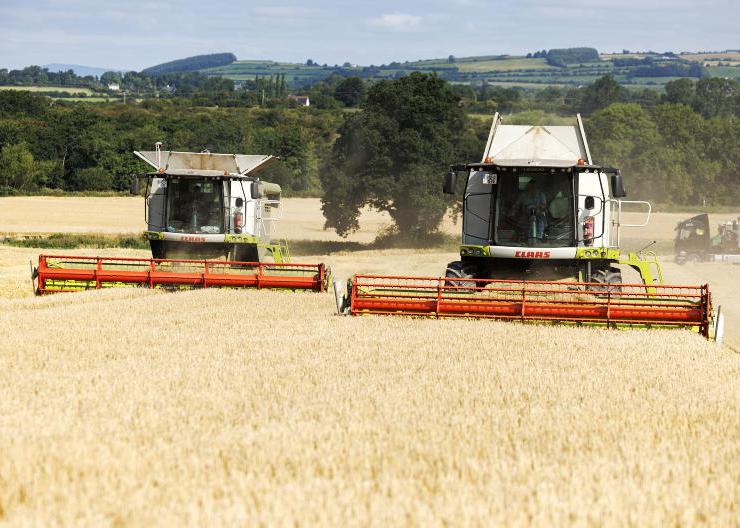
Finally we received in the post the maps and details of the crops in the various fields for the 2022 harvest and we are informed that the 2023 area aid application is open.
I presume we will soon have the details of the payments for the next five years that apply under the new CAP. I am prepared for a significant reduction, but I will reserve judgement until the definitive figures are fully available.





SHARING OPTIONS