


Suddenly the year has been transformed at least as regards catching up with work that has to be done.
The fields are now all cleared of straw with the big bales stacked beside a lot of straw not yet collected from last year’s harvest.
As I have been paid for last year’s, it doesn’t concern me particularly but it does raise questions as to what is happening in the mushroom sector.
Over the weekend, we got the oilseed rape sown and rolled. Like last year, we stubble-cultivated and then went in with a disc and crumbler bars and followed with the one-pass.
For the first time, we have split the varieties sown between Clearfield and normal hybrid. The removal of a selective herbicide capable of dealing with charlock is a real handicap on the land here and, if as a country we are to continue to see oilseed rape acreage expand, then the Department and minister should consider using the emergency provisions to allow necessary plant protection products to be used where no realistic alternative exists.
French president Emmanuel Macron has adopted this attitude to Roundup in France though, in fact, he did not have to use it as Roundup continues to be fully allowed under EU rules and it looks as if this situation will continue.
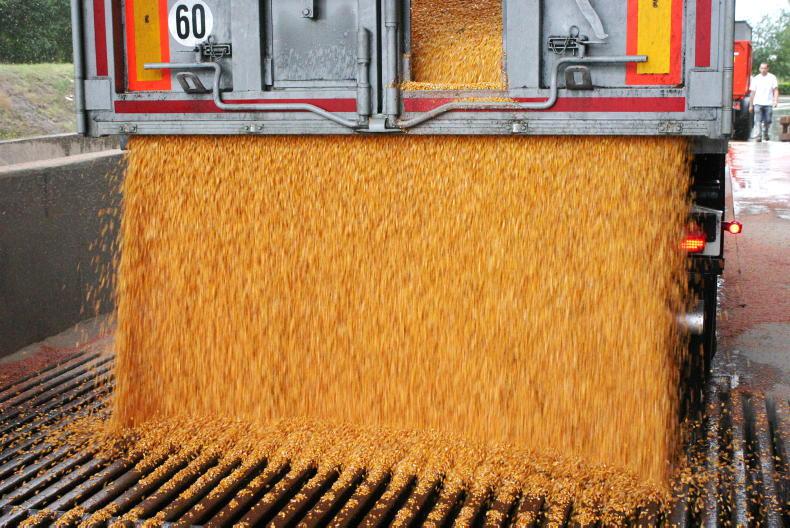
Because of the low grain prices, we have sent extra feed wheat over to our usual neighbour for storage and rolling
In any event, the first crop for the 2024 harvest is in the ground and we will now apply a pre-emergent to the standard hybrid variety and slug pellets to the entire crop.
Though we still have the beans to harvest, having been sown so late they are not surprisingly slow to ripen, so we will have to make up our mind as to whether or not they should be dessicated.
On the cattle side, I am relieved that the downward slide in beef prices has been halted with some modest increases reported.
The warm, dry weather coupled with plenty of moisture in the ground has caused an explosion of grass growth, so I would hope for good thrive in the bought-in store cattle between now and housing. Because of the low grain prices, we have sent extra feed wheat over to our usual neighbour for storage and rolling.




SHARING OPTIONS