Herd testing for Johne’s is not a mandatory requirement of the programme, although it is recommended. \ Philip Doyle
ADVERTISEMENT
Across 1,569 dairy farmers who have enrolled in a Johne’s disease programme in NI up to October 2022, nearly one-third (31.5%) reported suspect case(s) of Johne’s disease, the results of a new study show.
The research paper, which has been published in the scientific journal Vet Record, states that a further 13.7% of local dairy farms have had a confirmed case of Johne’s.
Herd testing for Johne’s is not a mandatory requirement of the programme, although it is recommended.
ADVERTISEMENT
Overall, 21.4% of the dairy herds had undertaken screening for the disease.
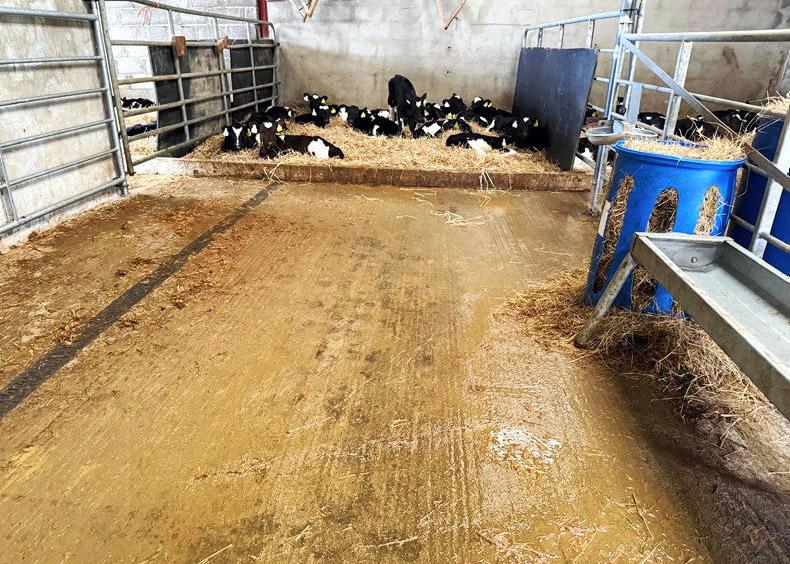
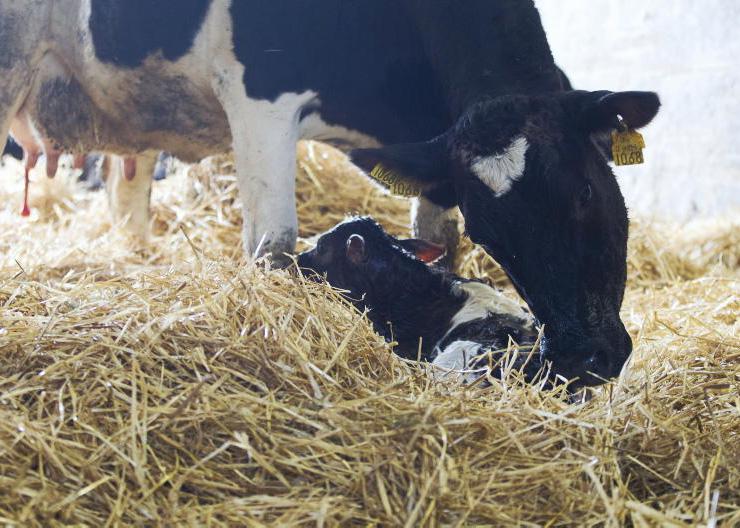
Researchers from Queen’s University Belfast found that herds that use the same pen for calving cows and treating sick animals “were significantly more likely to be a high-probability Johne’s disease herd”.
In addition, accidental mixing of neighbouring herds and farms that graze rented land were significantly more likely to be at a high risk for Johne’s.
Register for free to read this story and our free stories.
This content is available to digital subscribers and loyalty code users only. Sign in to your account, use the code or subscribe to get unlimited access.
The reader loyalty code gives you full access to the site from when you enter it until the following Wednesday at 9pm. Find your unique code on the back page of Irish Country Living every week.
CODE ACCEPTED
You have full access to the site until next Wednesday at 9pm.
CODE NOT VALID
Please try again or contact support.
Across 1,569 dairy farmers who have enrolled in a Johne’s disease programme in NI up to October 2022, nearly one-third (31.5%) reported suspect case(s) of Johne’s disease, the results of a new study show.
The research paper, which has been published in the scientific journal Vet Record, states that a further 13.7% of local dairy farms have had a confirmed case of Johne’s.
Herd testing for Johne’s is not a mandatory requirement of the programme, although it is recommended.
Overall, 21.4% of the dairy herds had undertaken screening for the disease.
Researchers from Queen’s University Belfast found that herds that use the same pen for calving cows and treating sick animals “were significantly more likely to be a high-probability Johne’s disease herd”.
In addition, accidental mixing of neighbouring herds and farms that graze rented land were significantly more likely to be at a high risk for Johne’s.
If you would like to speak to a member of our team, please call us on 01-4199525.
Link sent to your email address
We have sent an email to your address. Please click on the link in this email to reset your password. If you can't find it in your inbox, please check your spam folder. If you can't find the email, please call us on 01-4199525.
ENTER YOUR LOYALTY CODE:
The reader loyalty code gives you full access to the site from when you enter it until the following Wednesday at 9pm. Find your unique code on the back page of Irish Country Living every week.






SHARING OPTIONS