



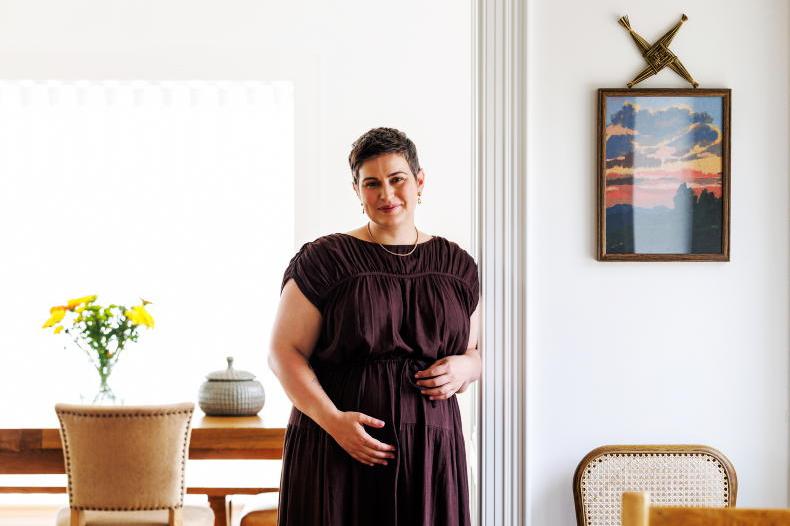

Maria Walsh is about to enter one of the busiest seasons of her life – and no, we’re not talking about the upcoming Common Agricultural Policy (CAP) vote in 2027.
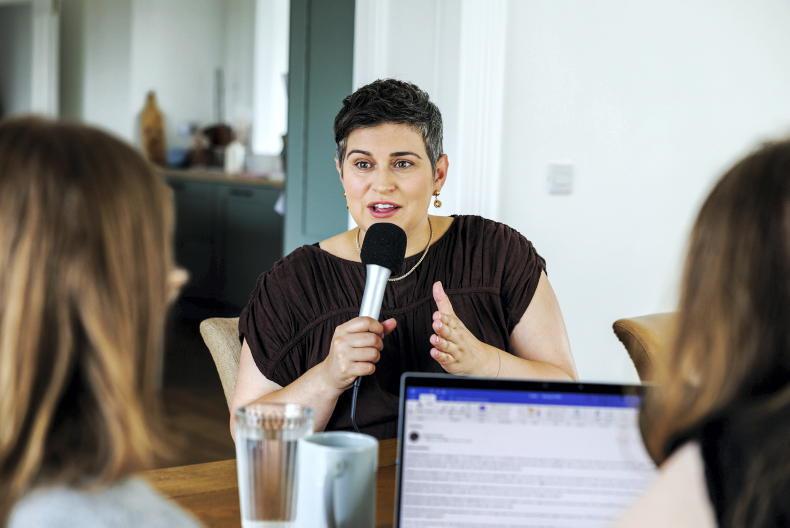
The Midlands-North West MEP has just flown back to Ireland from Strasbourg, where she had been hosting a delegation from her constituency at the European Parliament. And now she sits at her expansive dining room table with myself, Irish Country Living editor Ciara Leahy and Irish Farmers Journal photo editor Philip Doyle. Politics aside for a moment, we are here to record an interview for our first episode of This is Country Living, the new Irish Country Living podcast.
Despite her busy career, Maria is glowing. In recent months, she announced that she is expecting her first child and plans to raise her baby as a single parent. The baby is due in late October and she has a long list of things she wants to do before she settles into mum-life.
“I will be working remotely in committee work up until that point,” she says. “Then, I will take November as maternity leave and start working again, remotely, in December. More than likely, the Common Agricultural Policy (CAP) vote will happen in January – potentially February – and, as a west of Ireland representative, I need to show up and vote.
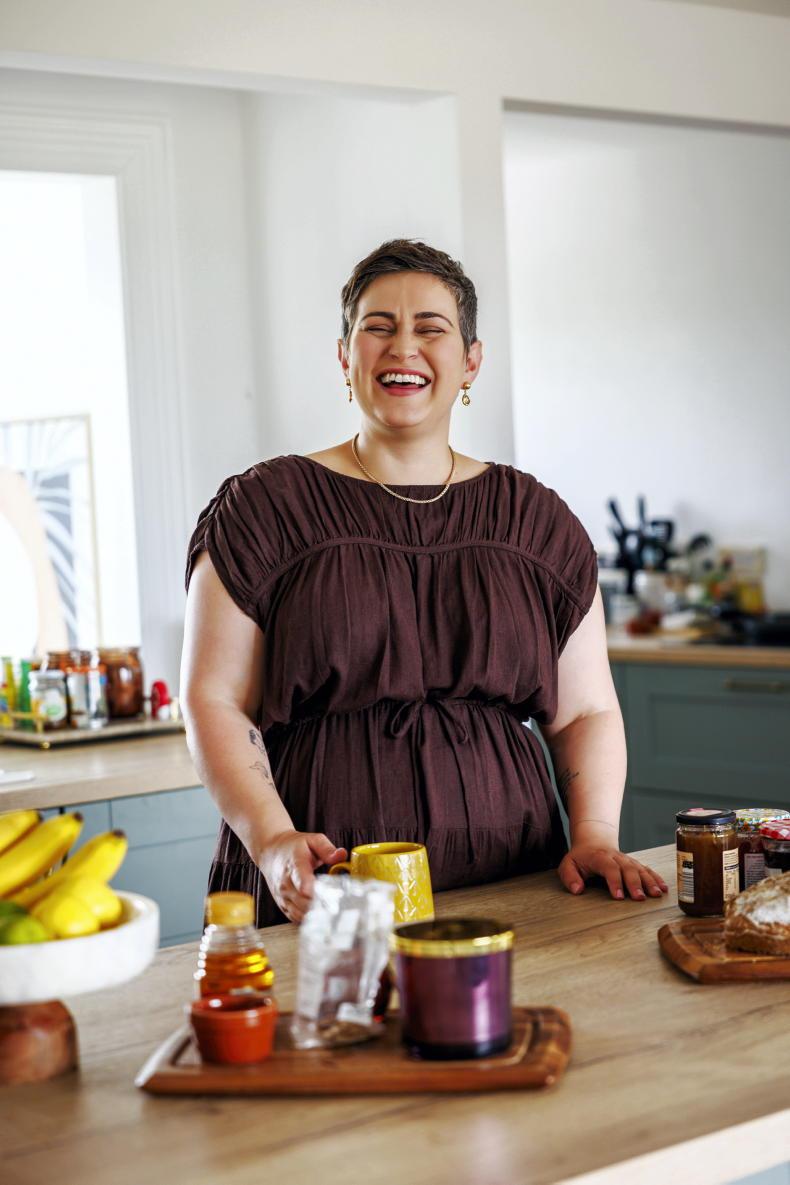
“Some people are like, ‘Take your six months,’ – a colleague of mine in the Greens, from Denmark, is due in August and told me she will take the full six months and enjoy it. I’m from Ireland, so there’s a rational point where if you were not voting on CAP – particularly with the amount of work I do on female farmers, young farmers, what a pension scheme could look like, farm relief schemes – it seems disingenuous to say to a voter, ‘I have your back’.”
The upcoming vote is extremely important for the Irish farming community. Maria has been working as CAP lead negotiator and has long supported agricultural policies which encourages generational renewal and sustainable development.
“I’m the file writer for generational renewal; if we do not make it binding with targeted measures, the member states might not prioritise what young or female farmers have been telling us for years. Irish women are 13% of farm holders, but looking at succession plans, more than half of farmers [either] have no succession plan or it’s a male, a son or a nephew. When you’re invisible in policy, you’re invisible around the kitchen table where these discussions are happening.
“We have to make bold moves in generational renewal, we want 10% ringfenced funding in the next CAP. Member states want closer to 3-6%, but if we’re going to change the trajectory of food security and really have a positive outcome for farming, we have to do something.”
Public life
The announcement of Maria’s pregnancy coincided with her publicly sharing that she had gone through in-vitro fertilisation (IVF) when she decided to start her family. Her openness on the topic has seen much positivity, but also opened lines to negative comments about her body, look and sexual orientation. (Maria came out as gay in 2014 after winning the Rose of Tralee competition). She understands that this is all part of living the public life of a politician, but these comments can sting.
“I tick a couple of different boxes,” she says. “I’m a relatively young female, who happens to be gay, in public life. I’ve had fluctuations in my weight. These things can amplify some really negative voices, but then you also have small wins, and I work with a great team. The journey has been a little more lengthy than planned, and I’m really happy to say I’m pregnant. I had a potential miscarriage scare at the end of February and I went into that fight or flight mode of feeling devastatingly upset that my body failed. A week later I’m on a bed getting scanned and I hear a heartbeat. It’s a merry-go-round of emotion. We have a long way to go [in changing our thinking] about what families look like in this country. I’m still on that journey of feeling different.”
I tick a couple of different boxes. I’m a relatively young female, who happens to be gay, in public life. I’ve had fluctuations in my weight. These things can amplify some really negative voices, but then you also have small wins, and I work with a great team
She believes more should be done to support families and single women experiencing IVF, including same-sex couples. Appropriate policy should ensure parental rights are protected and the right supports and most up-to-date treatments are in place. She is thrilled her experience with IVF was, for the most part, extremely positive.
She attended a local Co Galway clinic and says the staff and doctors made her feel like family – this support, and the support from family and close friends, made the process feel a little less lonely. She fully acknowledges the pressure she will be under with her work, but says she is building a strong “village” who will be there for her.
“My parents live about four fields away from where we are now, I have an incredible small group of friends who are already calling themselves ‘aunties’, and I have a hard-working team who I consider an extension of my family,” she says.
“They are like, ‘Right, we’re going to figure out how all this works.’ But it does look different. My village is different and I know this is going to be incredibly hard. But women have been through hard. People still show up. And the caveat is I’m the only kid producing a grandbaby close enough for my parents to babysit!
“When we moved back [to Ireland] from Boston [when I was seven], my mother had four kids and her mother-in-law lived under the same roof,” she continues. “My dad travelled back and forth from the States. Both of my grannies had families of 10 while keeping everything else going. We’re talking about rural women probably working on farms, but not recognised. The everyday extraordinary woman is my focus in all of this, we just don’t talk enough about them.”
US connection
Ireland is home for Maria and her siblings, but the United States is also a piece of home. Like so many young Irish professionals at the time, her parents were living and working in the US when Maria and her siblings were born. Later in life, Maria competed in – and won – the Rose of Tralee competition representing the city of Philadelphia, where she was living and working at the time. As 250 years of the United States of America is celebrated, she reflects on what this means for the many Irish Americans who helped build the country from the ground up.
“As an American-born and Irish-raised kid, I grew up in both ‘worlds’,” she says. “The identity of both always stuck, the essence of which is often difficult to capture in words. When I returned to the States in 2010, working both in New York city, and then in Philadelphia, my Irish heritage was my badge of honour. Representing the brilliant and vibrant city of Philadelphia in the 2014 International Rose of Tralee was an incredible moment for me, my family and both my Irish and American communities.
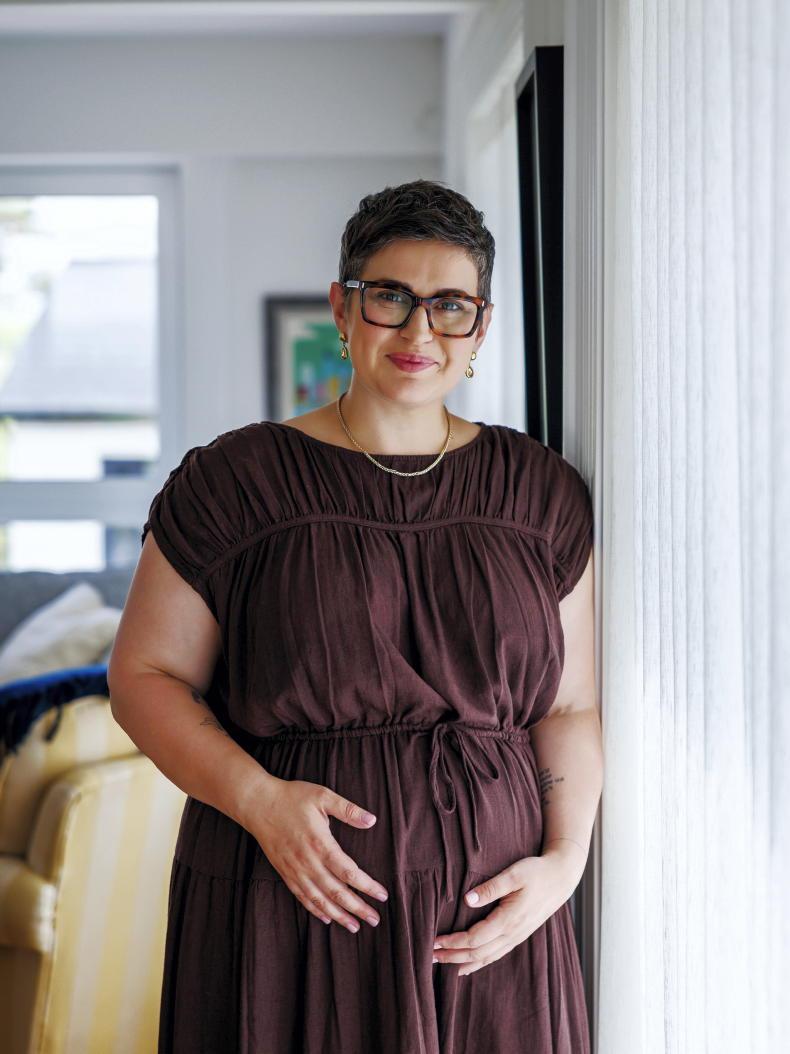
“It’s a poignant story, knowing that many Irish people fled to the Americas for economic stability or protection of their fundamental freedoms. I grew up knowing the importance of President Mary Robinson’s symbolic candle in the window, welcoming the Irish diaspora home.
“My Auntie Sheila still lights the candle in Boston. My cousins continue to follow Irish music and ensure their kids play Gaelic football. It’s 250 years on, and people still believe in the Irish and American story.
“In truth, it was the 2016 US Presidential election that acted as one of my catalysts to pursue my role in politics,” she adds. “It’s disappointing – the turn of democracy and the decisions made from the White House these last years. But our strength is in the history of our relationships with the 50 States, not just a single office. It’s a relationship we cannot turn our back on. Our people, our businesses, our shared values are all cornerstones to our rich tapestry.”
Listen this Saturday to the first episode of This is Country Living, featuring the full interview with Maria wherever you get your podcasts.


SHARING OPTIONS