How are you doing? If you’re a man and the answer is ‘not very well’, then it might be a good idea to start being proactive about your health.
Men’s Health Week provides the ideal opportunity. This year’s theme is It’s All About Him.
That’s because men’s health needs deserve attention, according to Men’s Health Forum Ireland, the body organising the awareness week.
Statistically, men have a higher death rate than women for all the leading causes of death, eg heart disease, stroke and cancer. Males rocking up at GP surgery doors too late leads to many conditions being more difficult to treat, so it makes sense to give your health some priority and make an appointment for a check-up.
“Men engage in risk behaviours that can be seriously hazardous to their health,” says Colin Fowler of MHFI. “Unfortunately, since sickness may be seen as an expression of weakness, many men decide not to seek help and instead present a stoical, brave and unflinching front to the outside world.”
This may account, in part, he says, for why many men put off going to the doctor and continue to present late in the course of an illness.
It is an attitude that needs to change in order for the statistics to improve, he believes.
Men’s Health Week begins next Monday (12 June) and ends on Father’s Day (18 June). To get useful information about health issues that can affect you as a man, download the MAN MANUAL: Challenges and Choices booklet. It is a 32-page booklet which highlights key men’s health issues like:
• Alcohol• Food• Physical activity• Smoking• Stress• Blood pressure • Prostate • Back care It was written by Dr Ian Banks, a men’s health expert.
TOOLBOX FOR ACTION
The online Men’s Health Week 2017 Toolbox for Action will provide all the information you need about the awareness week, including the Man Manual, and what you can do to improve your health.
SPREAD THE LOVE
How can you help to spread the message?
Promotion of Men’s Health Week could take the form of:
• Putting a Men’s Health Week poster up in your workplace/meeting space/community centre, local shop/waiting room/Men’s Shed and/or sending the special MHW postcards to people you know.• Emailing contacts to tell them about Men’s Health week.See www.mhfi.org
www.irishheart.ie
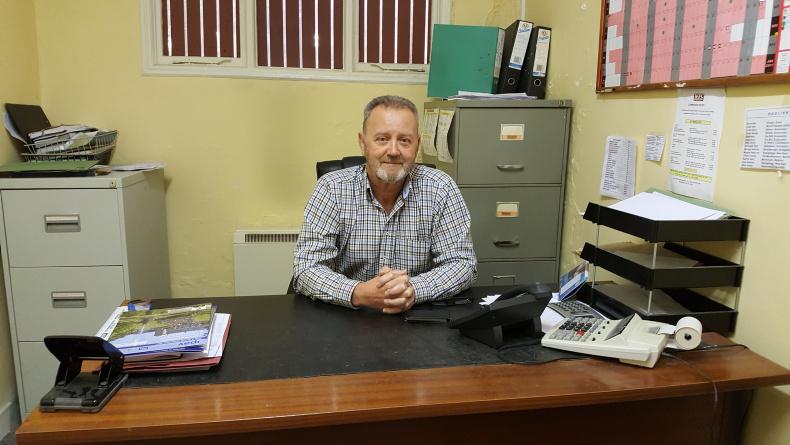
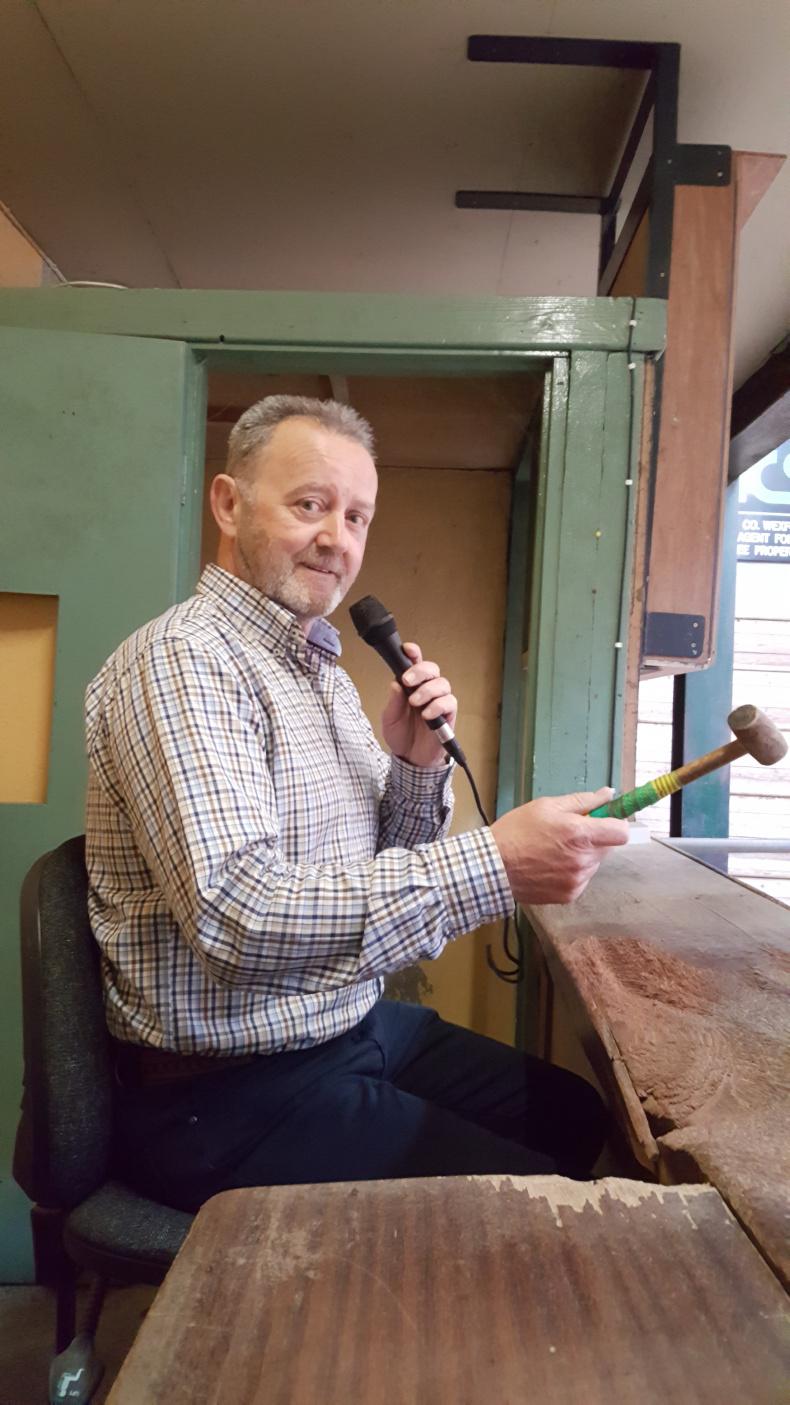
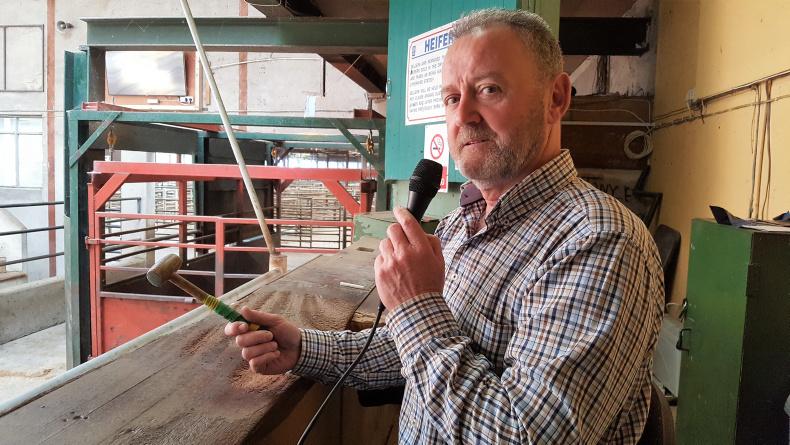
Tommy Harrington from Clonroche, Co Wexford, is the mart manager at Wexford Farmers’ Co-operative (WFC) in Enniscorthy.
Over 40 years, he worked his way up from the yard, to clerk, to auctioneer, to mart manager in 2008.
Tommy, now 61, suffered a heart attack while on holiday in July 2013. Before this he wouldn’t have been one for attending a doctor regularly, he says.
“I did have one check-up prior. That was in 2012 and my cholesterol was a bit high, so I knew I had to control it. I decided to lose a bit of weight, not on advice, but for my own health and appearance, and I lost two stone over five months from January 2013.”
He acknowledges that he had been eating too much before that, and not always the right kinds of food.
“I began to eat smaller portions and was very careful about what I put on my plate, butter particularly, as I would have been too fond of it, and of sugary foods too. But my diet from January 2013 was a healthy one. They told me in the hospital that having made those changes prior to the heart attack helped me to recover quicker after what happened to me.”
One of Tommy’s sons, Eanna, was home from New Zealand, and being traditional music fans, they all headed off to Ennis for a holiday.
“I was on top of the world having lost weight,” Tommy says. “I had a big fry the morning after arriving and then we went into Ennis to shop as it was a dull day. We arranged to meet back at the car that was parked in Market Square at 2pm. I went for a walk down the street and that was it. All I remember after that was waking up in Limerick Hospital.”
Tommy only knows what happened then from other people.
“What I’m told happened was that Jackie, my wife, and Eanna came back at 2pm to find the Square cordoned off with police and an ambulance. I seemingly collapsed outside a fishmonger’s shop – Val Egan’s. He saw it happen, came out, shouted at someone to call an ambulance and started CPR. C&F Pharmacy down the street also brought a defibrillator. Those people, along with the ambulance staff, saved my life. The ambulance was there in 20 minutes.”
Meantime, Tommy’s wife was wondering what had happened.
“She asked a man on the street and it turned out that it was Val Egan she had spoken to. ‘I don’t know who the man is,’ he said, ‘ut he had this in his hand’. He held out a WFC Enniscorthy market report. She then knew it was me who had the heart attack.”
A rapid trip to Limerick followed many tense hours of waiting. Treatment involved an induced coma and the insertion of stents into arteries.
“About 40% damage was done to one side of my heart – that’s all I know. The surgeon wouldn’t give any guarantee about how I’d be when they’d take me out of the coma. All the family were called at that stage. While it looked bad, my wife had faith all the time. She said: ‘He’s going to be okay’. They took me out of the coma gradually on Thursday afternoon and my wife was very relieved when she got the thumbs up sign from the nurses.”
Tommy is thankful for the care he got at University Hospital Limerick.
“It was unbelievable. People give out about the health service, but I couldn’t praise the staff enough. They were so good to Jackie too.”
Tommy was discharged the following day and going home was a great feeling, he says.
“While my chest was sore, that was the only pain I had. I got plenty of rest when I got home and I did well.”
A six-week cardiac rehabilitation programme at Wexford General followed – something that Tommy found easier than most, having already lost weight and built up his fitness.
“I really enjoyed it. I was discharged in autumn, but I take five tablets a day to fully protect me now, along with looking after my diet and taking exercise.”
Exercise is important, he says, and he doesn’t sit behind a desk that much due to the nature of his job.
“I’m on my feet here a lot and on the rostrum selling. That’d keep anyone active. Your mind is travelling 150 miles an hour when they’re coming into the ring.”
Food-wise, Tommy now watches what he eats.
“I don’t eat fries or grills either, except the very odd time. I’d usually have porridge in the morning, bring a healthy lunch with me to work, eat a good dinner and stay away from snacks. I didn’t give up anything after what happened to me, but I try not to drink whiskey anymore and I’d never have more than two or three pints on a night out.”
Tommy walks regularly now and emphasises the importance of diet.
“What you put on the table in front of you is the big one. Even if you exercise a lot, eating or drinking too much defeat the purpose.”
Tommy’s tips also include having regular check-ups, so that you can keep an eye on blood pressure, blood sugar and cholesterol levels.
“I’m doing what I’m told and I don’t get as stressed anymore. The rehab course helped me to look at that end of things. When something like this happens to you, you take note and make changes. I wouldn’t blame anyone for what happened to me. There was a (heart) defect there for a while and it caught up with me. You have to educate yourself not to become as stressed though. Now, whether it’s what happened to me or it’s the medication I’m taking, I find that I don’t let stress get to me as much.”
Taking an annual two-week holiday is important too in order to switch off, he says.
“Holidays weren’t something we always did. We go away for a fortnight every summer now.”
Ironically, Val Egan, the man who helped Tommy, experienced a heart attack himself a year later.
“It happened in the same place. I went to the same hospital and had stents put in too,” Val told Irish Country Living. He has since retired and underplays the help he gave Tommy Harrington.
“The paramedics were very good,” he said.
Irish Heart Foundation nurses visit marts round the country every year, including Enniscorthy Mart, to offer free health checks.
“It was a service that wasn’t available here before what happened to me,” Tommy says. “The response to it is always good, which is great to see.” CL
How are you doing? If you’re a man and the answer is ‘not very well’, then it might be a good idea to start being proactive about your health.
Men’s Health Week provides the ideal opportunity. This year’s theme is It’s All About Him.
That’s because men’s health needs deserve attention, according to Men’s Health Forum Ireland, the body organising the awareness week.
Statistically, men have a higher death rate than women for all the leading causes of death, eg heart disease, stroke and cancer. Males rocking up at GP surgery doors too late leads to many conditions being more difficult to treat, so it makes sense to give your health some priority and make an appointment for a check-up.
“Men engage in risk behaviours that can be seriously hazardous to their health,” says Colin Fowler of MHFI. “Unfortunately, since sickness may be seen as an expression of weakness, many men decide not to seek help and instead present a stoical, brave and unflinching front to the outside world.”
This may account, in part, he says, for why many men put off going to the doctor and continue to present late in the course of an illness.
It is an attitude that needs to change in order for the statistics to improve, he believes.
Men’s Health Week begins next Monday (12 June) and ends on Father’s Day (18 June). To get useful information about health issues that can affect you as a man, download the MAN MANUAL: Challenges and Choices booklet. It is a 32-page booklet which highlights key men’s health issues like:
• Alcohol• Food• Physical activity• Smoking• Stress• Blood pressure • Prostate • Back care It was written by Dr Ian Banks, a men’s health expert.
TOOLBOX FOR ACTION
The online Men’s Health Week 2017 Toolbox for Action will provide all the information you need about the awareness week, including the Man Manual, and what you can do to improve your health.
SPREAD THE LOVE
How can you help to spread the message?
Promotion of Men’s Health Week could take the form of:
• Putting a Men’s Health Week poster up in your workplace/meeting space/community centre, local shop/waiting room/Men’s Shed and/or sending the special MHW postcards to people you know.• Emailing contacts to tell them about Men’s Health week.See www.mhfi.org
www.irishheart.ie
Tommy Harrington from Clonroche, Co Wexford, is the mart manager at Wexford Farmers’ Co-operative (WFC) in Enniscorthy.
Over 40 years, he worked his way up from the yard, to clerk, to auctioneer, to mart manager in 2008.
Tommy, now 61, suffered a heart attack while on holiday in July 2013. Before this he wouldn’t have been one for attending a doctor regularly, he says.
“I did have one check-up prior. That was in 2012 and my cholesterol was a bit high, so I knew I had to control it. I decided to lose a bit of weight, not on advice, but for my own health and appearance, and I lost two stone over five months from January 2013.”
He acknowledges that he had been eating too much before that, and not always the right kinds of food.
“I began to eat smaller portions and was very careful about what I put on my plate, butter particularly, as I would have been too fond of it, and of sugary foods too. But my diet from January 2013 was a healthy one. They told me in the hospital that having made those changes prior to the heart attack helped me to recover quicker after what happened to me.”
One of Tommy’s sons, Eanna, was home from New Zealand, and being traditional music fans, they all headed off to Ennis for a holiday.
“I was on top of the world having lost weight,” Tommy says. “I had a big fry the morning after arriving and then we went into Ennis to shop as it was a dull day. We arranged to meet back at the car that was parked in Market Square at 2pm. I went for a walk down the street and that was it. All I remember after that was waking up in Limerick Hospital.”
Tommy only knows what happened then from other people.
“What I’m told happened was that Jackie, my wife, and Eanna came back at 2pm to find the Square cordoned off with police and an ambulance. I seemingly collapsed outside a fishmonger’s shop – Val Egan’s. He saw it happen, came out, shouted at someone to call an ambulance and started CPR. C&F Pharmacy down the street also brought a defibrillator. Those people, along with the ambulance staff, saved my life. The ambulance was there in 20 minutes.”
Meantime, Tommy’s wife was wondering what had happened.
“She asked a man on the street and it turned out that it was Val Egan she had spoken to. ‘I don’t know who the man is,’ he said, ‘ut he had this in his hand’. He held out a WFC Enniscorthy market report. She then knew it was me who had the heart attack.”
A rapid trip to Limerick followed many tense hours of waiting. Treatment involved an induced coma and the insertion of stents into arteries.
“About 40% damage was done to one side of my heart – that’s all I know. The surgeon wouldn’t give any guarantee about how I’d be when they’d take me out of the coma. All the family were called at that stage. While it looked bad, my wife had faith all the time. She said: ‘He’s going to be okay’. They took me out of the coma gradually on Thursday afternoon and my wife was very relieved when she got the thumbs up sign from the nurses.”
Tommy is thankful for the care he got at University Hospital Limerick.
“It was unbelievable. People give out about the health service, but I couldn’t praise the staff enough. They were so good to Jackie too.”
Tommy was discharged the following day and going home was a great feeling, he says.
“While my chest was sore, that was the only pain I had. I got plenty of rest when I got home and I did well.”
A six-week cardiac rehabilitation programme at Wexford General followed – something that Tommy found easier than most, having already lost weight and built up his fitness.
“I really enjoyed it. I was discharged in autumn, but I take five tablets a day to fully protect me now, along with looking after my diet and taking exercise.”
Exercise is important, he says, and he doesn’t sit behind a desk that much due to the nature of his job.
“I’m on my feet here a lot and on the rostrum selling. That’d keep anyone active. Your mind is travelling 150 miles an hour when they’re coming into the ring.”
Food-wise, Tommy now watches what he eats.
“I don’t eat fries or grills either, except the very odd time. I’d usually have porridge in the morning, bring a healthy lunch with me to work, eat a good dinner and stay away from snacks. I didn’t give up anything after what happened to me, but I try not to drink whiskey anymore and I’d never have more than two or three pints on a night out.”
Tommy walks regularly now and emphasises the importance of diet.
“What you put on the table in front of you is the big one. Even if you exercise a lot, eating or drinking too much defeat the purpose.”
Tommy’s tips also include having regular check-ups, so that you can keep an eye on blood pressure, blood sugar and cholesterol levels.
“I’m doing what I’m told and I don’t get as stressed anymore. The rehab course helped me to look at that end of things. When something like this happens to you, you take note and make changes. I wouldn’t blame anyone for what happened to me. There was a (heart) defect there for a while and it caught up with me. You have to educate yourself not to become as stressed though. Now, whether it’s what happened to me or it’s the medication I’m taking, I find that I don’t let stress get to me as much.”
Taking an annual two-week holiday is important too in order to switch off, he says.
“Holidays weren’t something we always did. We go away for a fortnight every summer now.”
Ironically, Val Egan, the man who helped Tommy, experienced a heart attack himself a year later.
“It happened in the same place. I went to the same hospital and had stents put in too,” Val told Irish Country Living. He has since retired and underplays the help he gave Tommy Harrington.
“The paramedics were very good,” he said.
Irish Heart Foundation nurses visit marts round the country every year, including Enniscorthy Mart, to offer free health checks.
“It was a service that wasn’t available here before what happened to me,” Tommy says. “The response to it is always good, which is great to see.” CL





SHARING OPTIONS