



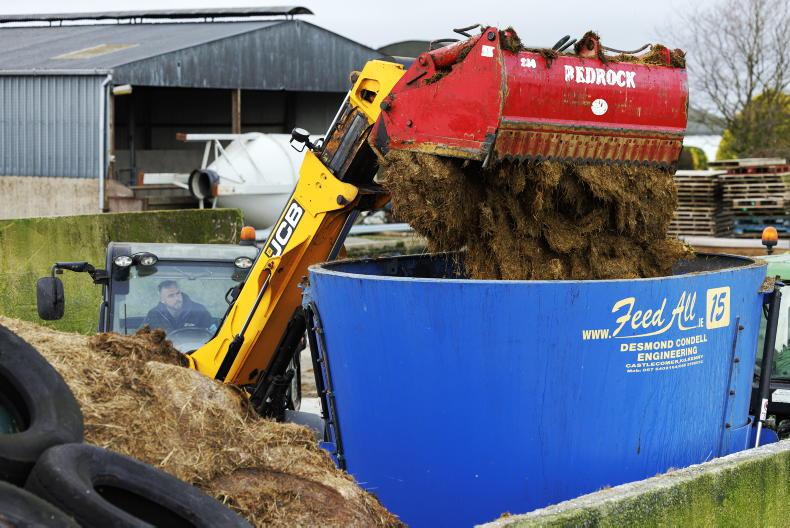
Picture the scene. You’re busy feeding in late November when a key machine breaks down; maybe it’s the main loader tractor, a dedicated loader, a shear grab or a diet feeder. The temptation is to replace ‘like with like’, or perhaps just get a bigger version of the original. But is that the right decision? Every farm should have a machinery plan, so that when some event triggers a change, then the right machine is purchased – as it might end up on the farm for a long period of time. A plan for feeding equipment is essential.
Key factors in feeding machinery
What are the key factors in determining what is the most suitable machine for a feeding system? Some of these factors and their possible impacts are outlined in Table 1. So let’s take a look at just a couple of these factors and use examples.
Yards and sheds
Perhaps the most frustrating factor for mechanised feeding change is dealing with existing buildings, passageways and yards. These are usually a legacy of stepwise farm development, that most farms have a history of. Often issues such as inadequate height or width clearance, awkward corners and insufficient turning space around buildings, etc, are a feature. It’s rare that an entire new ‘green field’ site can be justified, but it’s worth considering when building any shed:
Carefully planned turning pathways for today’s and future machine sizes, the use of suitable feed passage/area dimensions and more room left at the end of sheds and between them, will make machine movement easier, faster and safer. So plan yards and buildings carefully from a machinery perspective.
Loader type
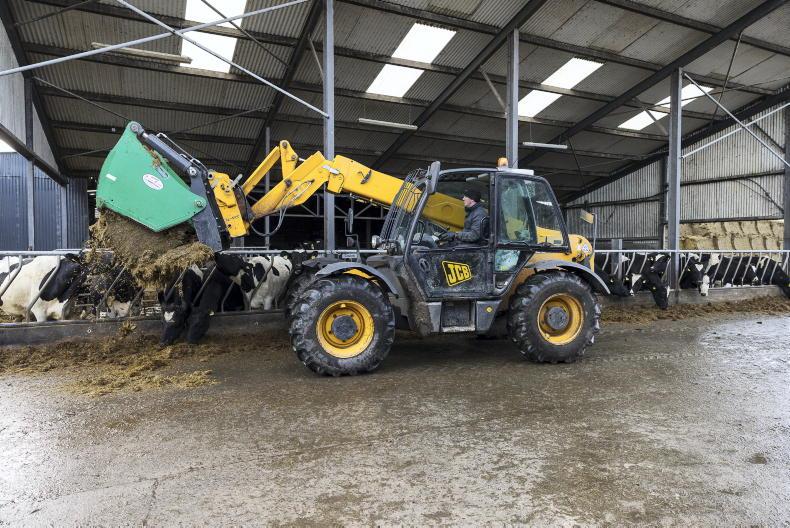
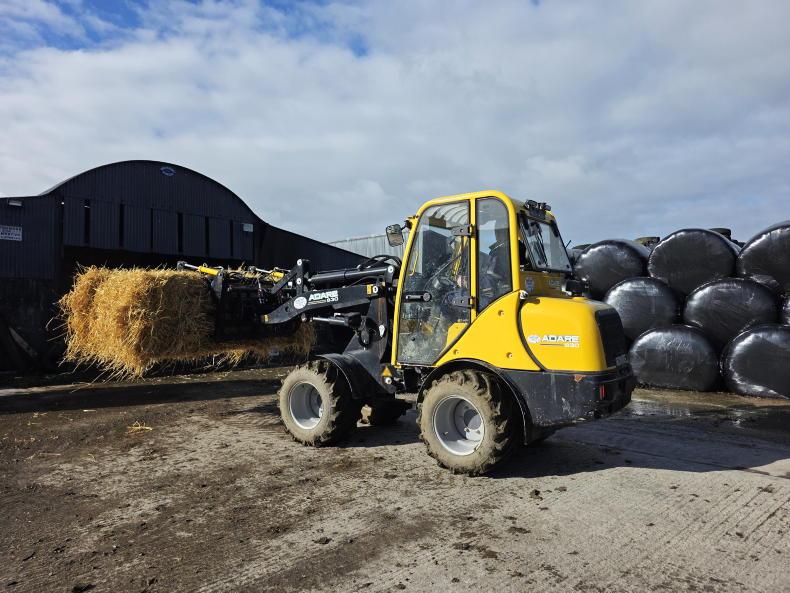
For many farms the big question is tractor and loader or a dedicated loader? Once decided, the exact type of machine, whether purchased new or second-hand, and it’s likely replacement cycle all must be determined.
While the scale of the feeding operation and work-mix on large feeding units can easily justify a dedicated loader, this may not be the case on smaller units, or where a tractor would have much better utility outside of the core feeding period.
Modern tractors have a number of advantages compared to previous generations:
But specifying a tractor and loader like this can be expensive, and generally they will still be less manoeuvrable, and have a lower load capacity, than a modern, dedicated loader. Some can be slower for the operator to climb in and out of too.
But the big factor is whether this tractor can be efficiently utilised outside of the feeding season. On many farms, one single tractor to do all tasks is the most economic and feasible option – then a tractor fitted with a loader is the only option.
But a larger farm may have other tasks, such as diet feeding, that need a second unit or indeed have two labour units around at times available to do more than one task – this is where the choice between tractor loader and a dedicated loader as the second unit becomes more challenging.
Document the year’s work
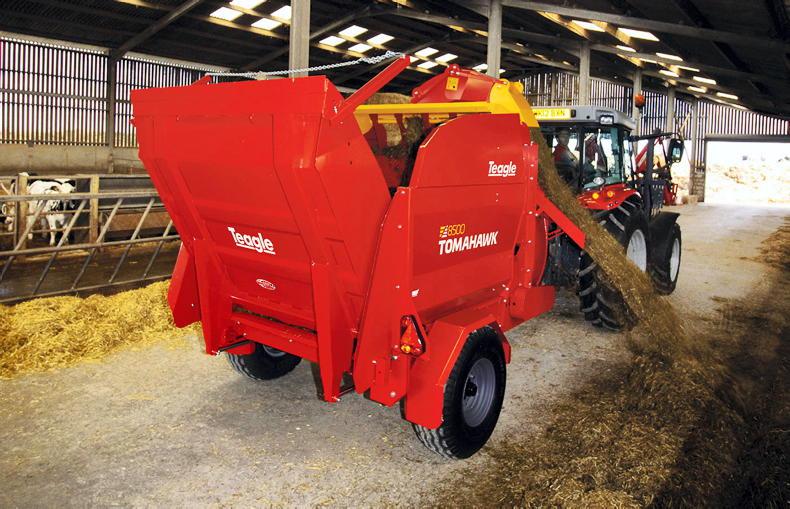
So, how do you decide what type of loader is needed? The best approach is to look at the work profile throughout the year; itemising and quantifying all of the machinery related tasks, including tractor/loader requirements, and if there is a requirement for two tractors or a tractor and dedicated loader to be working at the same time. The tasks could include:
Labour availability to continue doing (or to take on) these tasks must also be considered. On some dairy farms, perhaps time isn’t available for all of these machinery tasks, whereas on other farms doing these tasks may be a good use of the farmer’s own labour and available machinery.
At this point, machinery costs must be considered and while presenting the calculations is beyond the scope of this article, the combination of depreciation, interest (often together grouped as repayments), repairs and maintenance, fuel and labour must be considered, and where appropriate compared with a contractor service.
At this point, the choice of a tractor – mounted loader or a dedicated (industrial type) should be made.
What loader?
Determining the exact type of loader, its specification, its brand and whether purchased new or second-hand, need to be considered carefully.
Within these categories, there is a huge range in specification; with key statistics being lift capacity (t), lift height (m) and hydraulic output (litres/minute) . With a range of brands from all over the world, particularly in recent years, you need to be very careful comparing these figures.
In addition to differences in lift capacity, etc, there are differences in build strength and specification between different brands, so always ensure you compare like with like.
Purchasing second-hand
As with all machines, there is a role for second-hand purchases to reduce the costs of ownership, particularly on farms where use rates are low. The extra repairs and maintenance costs should be offset by lower depreciation and interest charges. But second-hand purchase always carries an element of risk. With loaders, it is well worth buying from reputable sources and having the machine checked out independently, if possible. Loaders can reach certain stages where transmission, hydraulic and pivot/wearing points need an overhaul. These overhauls can be very expensive and the wearing cycle stage of these can drastically change the value of a second-hand purchase, even where age, hours of use and initial visual appearance appear satisfactory.
Loader work rate or feed time will depend on the capacity (m3 and t) of the implement and loader, and the cycle time for each trip with the loader, which is impacted by:
Implement work rate
There are various types of front fork/grab/implement available, depending on the feeds to be fed, whether one implement has to handle one or a number of feeds. Implements have different characteristics. A shear grab for example can generally fill a consistent load and leave the silo face relatively intact, reducing the risk of pit face aerobic losses.
Generally the work rate of these implements is in proportion to their working width, provided they are well-matched to the loader that’s carrying them. Results calculated from a Teagasc survey of work rates of feeding machinery on 22 farms back in the 1990s are given in Table 2. Today’s machines may be capable of faster work cycles and larger implements.
Finally


SHARING OPTIONS