



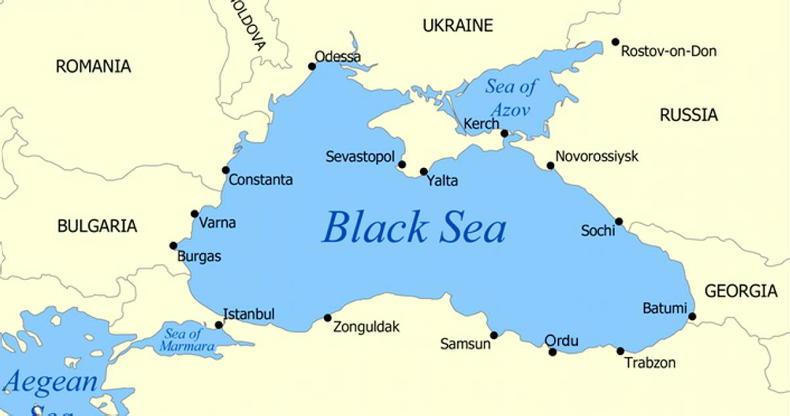
Russia’s abandonment of the Black Sea grain deal last week caused some volatility for global grain markets, but the initial fallout was fairly muted, as traders decided the amount of agricultural product travelling by that route could be relatively easily replaced from different sources.
However, since withdrawing from the deal, Russia seems to be doing all it can to strangle Ukrainian agricultural exports by whatever means. By the end of last week it was attacking export infrastructure in Ukraine’s Black Sea port.
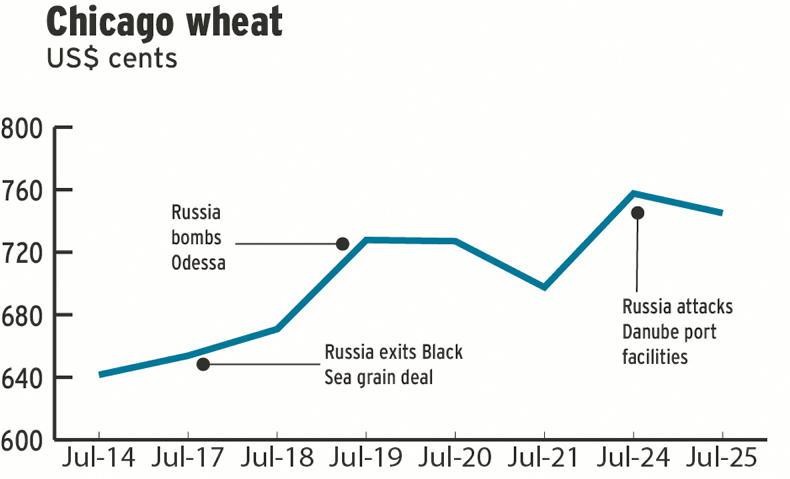
Markets moved grain prices higher on Thursday in reaction to those, as damage to port facilities means a swift resumption of exports – should Russia re-enter the deal – would now be considerably more difficult.
Not satisfied with the damage to sea routes, Russia further escalated its campaign this week by launching attacks on Ukraine’s other export routes for its agricultural produce. In recent months, the most important of those alternative routes has been sending grain by barge up the Danube.
River trading
The river-port towns of Izmail and Reni, along the border with Romania, had become increasingly important export points, even before the end of the sea deal. Russian ship “inspections” had already slowed grain through the Black Sea route in recent weeks, so local traders had expanded facilities on to the river.
Bloomberg reported that shipments via that route had reached 2.2m tonnes in May – surpassing the amount sent through the Black Sea route that month, and almost a million tonnes more than went on the river route in May of the previous year.
Analysts believe that the Danube ports could handle even more than that, and push throughput high enough to take care of most of Ukraine’s exportable surplus.
So, when Russian drones hit the port at Reni, reportedly destroying a grain hanger, international markets took notice. The ending of the Black Sea deal was bad news. The attack on the most viable alternative to that Black Sea route means that Russia wants to end Ukrainian exports by any means, which is much, much worse news.
Impact
In the short term, the strike this week on Reni means that, if nothing else, operational risks for Ukraine with using the Danube route have increased. For everyone outside Ukraine they mean that any supplies from that country are now less certain. This will have, as we have already seen, an effect on the price of grains. However, considering current global stockpiles, there is unlikely to be a shortage any time soon.
In the medium to longer term, the unreliability of Ukrainian supply means that the floor in the price of wheat and corn will be higher than it otherwise would be. This means that the international price of those commodities will always be higher than they would be if the Ukrainian routes were clear.
Comment
While the Russian moves against Ukrainian agricultural exports have been rightly condemned internationally, questions remain around why Russia is doing this at all. From a military perspective the attacks make little sense. Warehouses are not high-value targets and grain doesn’t usually shoot back. Strategically, it just risks further eroding Russia’s standing in the world – such as it is – with some of the country’s most important allies in China and southern Africa, among those most reliant on Ukraine’s grain exports. It could be that these attacks are taking place because they are all that Russia is capable of at the moment – hitting less defended targets in areas of Ukraine far from the front. While I have zero unique insight into how the war is progressing, I feel that if Russia felt it was in a position to make strides in its military campaign, it would be doing that rather than risking further antagonising its few remaining international allies for little strategic return. Which could, possibly, mean that Russia is so firmly on the back foot in the conflict that it’s ability to continue to disrupt Ukrainian exports over the longer term may be very limited.
Example of war impact on the US wheat price:






SHARING OPTIONS