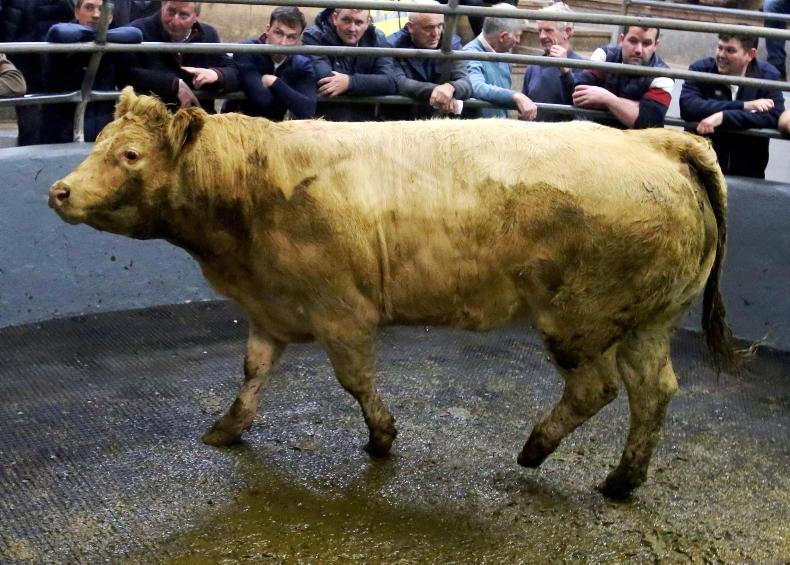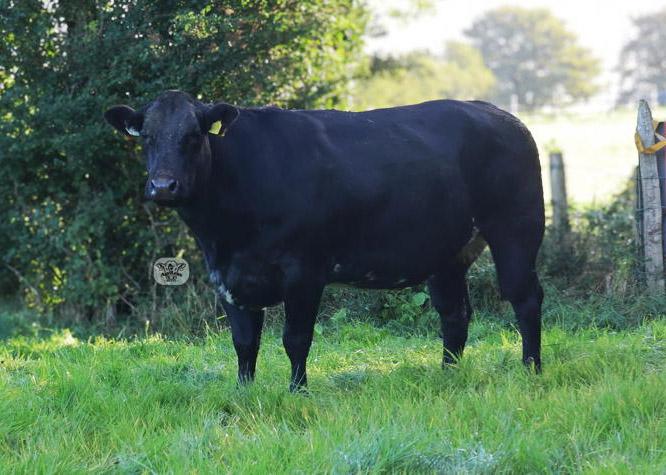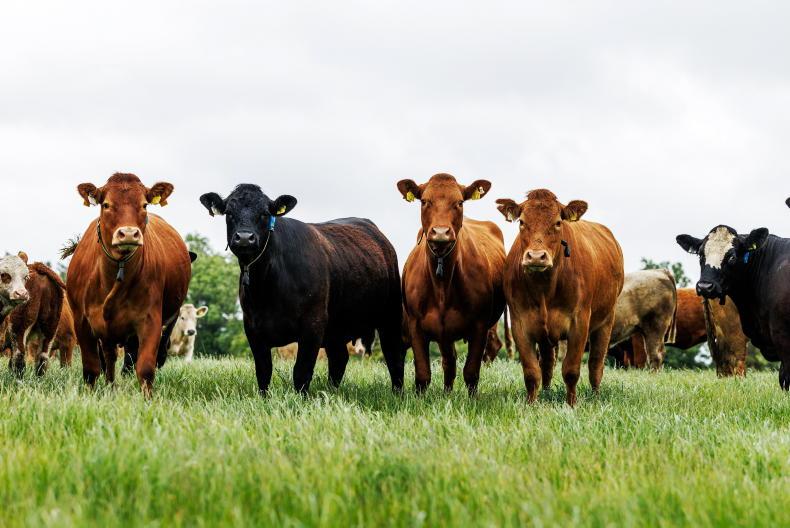
June 2025 census results published by DAERA show that suckler cow numbers in NI dropped to a 55-year low at just 213,774 head.
While there are many reasons for the drop, the fundamental issue has been the lack of profitability in the sector since the end of headage based payments in 2004. Back then there were 296,169 beef cows in NI.
The likes of the Suckler Cow Premium which existed pre-2005 did lead to inefficiencies and it was inevitable that numbers would fall when that scheme ended, but it is also reasonable to question whether the suckler cattle being produced are fairly priced in the market.
The factory price grid has existed for many decades, with only a fairly minor tweak made when mechanical grading was introduced in 2011.
Prior to that, cattle were priced on a 5-point scale for both conformation (EUROP) and fat class (1 to 5), with 6p/kg gaps down the grades from a U to a P. The base for fat class was a 3, with 6p/kg differentials in either direction.
The introduction of mechanical grading brought into play a 15-point scale, with each of the conformation and fat classes split into a plus, equals and minus. As shown in Table 1, the base grade is U-, with a 2p gap moving up each point to an E grade and when moving down from a U- to an R-.
There are then 6p gaps down to P grades.
The base grade for fat is a 3, with 2p gaps down to a 2- and to a 4-. There are then 4p differentials between a 4= and 5+, with a 12p gap between a 2- and 1+.
In effect, the new grid put slightly more value into higher conformation cattle at the expense of O and P grades. Rather than a 12p difference between a U- and O-, that gap now stood at 24p. From a U= to a P=, the difference moved from 18p to now sit at 38p.
However, the original 6p differentials were in place during times when cattle were making prices below 200p/kg, so there was already a good argument that these gaps should be revised.
The same principle applies to when the new grid was introduced in 2011 – back then beef was typically making prices below 300p/kg. Beef has more than doubled in price since then and to keep up, logic would suggest those payment gaps should be at least twice what they are now.
By not changing, we are significantly over-pricing O and P grade cattle and significantly undervaluing R and U grading counterparts.
Meat yield differences across EUROP system grades
A number of studies assessing actual meat yields from a range of beef carcases have been done in the past.
Probably the most comprehensive was a study led by Dr Michael Drennan from
Teagasc in the mid-2000s which ultimately became the basis for the beef payment grid (Quality Payment System) in the Republic of Ireland.
That study involved the dissection of carcases from 507 steers, 115 young bulls and 40 heifers.
It showed that the EUROP classification system was a reasonably good predictor of meat yield, with each one unit increase in conformation (eg from an O to an R) increasing the meat yield of the carcase by 3.5% and the carcase value by 5.8%.
Fat
Meat yield is also influenced by fat cover and as the amount of fat increases in a carcase, the yield of meat is reduced.
The Drennan work found that for each one score change in fat (eg from a 3 to a 4), meat yield drops by 2.88%.
However, processors don’t want cattle with low fat covers, even if the carcase has more meat overall, so any payment system also has to reflect that reality.
AHDB
Other work on meat yield from different carcases has been reported by the Agriculture and Horticulture Development Board (AHDB) in Britain.
It shows similar differences across both conformation and fat as in the Drennan work, with a P3 grade carcase having a meat yield of 68.1%.
We have used that P3 meat yield as well as the percentage changes found in the Irish work, as the basis for our calculations.
Big differences in
conformation grades
Shown in Table 2 is our best estimate of average meat yields across the four main conformation grades, with the analysis also showing what that actually means for the weight of cuts taken from a 350kg carcase.
The calculations suggest that a 350kg U grading carcase should yield an average of 264.56kg of actual meat, while a 350kg P grade will only yield 238.35kg.
To put an indicative monetary value on that extra meat, we have simply used recent values of minced meat reported by beef factories in the Republic of Ireland to their agri-food regulator. For much of the last year, that value has hovered around the €11.50/kg mark, or approximately £10/kg.
In our calculations, it means that a 350kg U grading carcase has £262 more meat on it than a 350kg P grading carcase. In other words, that U grading animal is worth 75p/kg more than a P. In our current payment grid the difference between a U= and a P= is 38p/kg.
Doing the same calculation for a U= and O=, the difference in value works out at 51p/kg, yet the current grid only has a difference of 20p/kg. Between a U= and R= the difference in value is 26p/kg, but the grid only has a 6p/kg gap.
Fat also impacts meat yield
As noted above, there is a negative relationship between fat cover and meat yield of a carcase.
The highest meat yields are in carcases at fat class 1, however, that is not what factories want – ultimately it is up to processors to decide what extent they penalise low fat covers.
In our example, we have simply looked at what impact increasing fat cover has on the value of an animal, moving from the ideal fat cover of 3, up to fat covers of 4 and 5.
Shown in Table 3 is our estimate of meat yield in a 350kg R grading carcase at fat class 3, 4 and 5.
Moving from an R3 to an R4, there is an average of 7.5kg less actual meat. Valuing this at £10/kg, works out at £75 or a reduction in the value of a 350kg carcase of 21p/kg. At present, the payment grid applies a 6p/kg deduction between an R=3= and an R=4=.
Between an R3 and an R5, our calculations suggest the reduction in meat yield lowers the value of a 350kg carcase by £140, or 40p/kg. The current grid applies an 18p/kg deduction between an R=3= and an R=5=.

June 2025 census results published by DAERA show that suckler cow numbers in NI dropped to a 55-year low at just 213,774 head.
While there are many reasons for the drop, the fundamental issue has been the lack of profitability in the sector since the end of headage based payments in 2004. Back then there were 296,169 beef cows in NI.
The likes of the Suckler Cow Premium which existed pre-2005 did lead to inefficiencies and it was inevitable that numbers would fall when that scheme ended, but it is also reasonable to question whether the suckler cattle being produced are fairly priced in the market.
The factory price grid has existed for many decades, with only a fairly minor tweak made when mechanical grading was introduced in 2011.
Prior to that, cattle were priced on a 5-point scale for both conformation (EUROP) and fat class (1 to 5), with 6p/kg gaps down the grades from a U to a P. The base for fat class was a 3, with 6p/kg differentials in either direction.
The introduction of mechanical grading brought into play a 15-point scale, with each of the conformation and fat classes split into a plus, equals and minus. As shown in Table 1, the base grade is U-, with a 2p gap moving up each point to an E grade and when moving down from a U- to an R-.
There are then 6p gaps down to P grades.
The base grade for fat is a 3, with 2p gaps down to a 2- and to a 4-. There are then 4p differentials between a 4= and 5+, with a 12p gap between a 2- and 1+.
In effect, the new grid put slightly more value into higher conformation cattle at the expense of O and P grades. Rather than a 12p difference between a U- and O-, that gap now stood at 24p. From a U= to a P=, the difference moved from 18p to now sit at 38p.
However, the original 6p differentials were in place during times when cattle were making prices below 200p/kg, so there was already a good argument that these gaps should be revised.
The same principle applies to when the new grid was introduced in 2011 – back then beef was typically making prices below 300p/kg. Beef has more than doubled in price since then and to keep up, logic would suggest those payment gaps should be at least twice what they are now.
By not changing, we are significantly over-pricing O and P grade cattle and significantly undervaluing R and U grading counterparts.
Meat yield differences across EUROP system grades
A number of studies assessing actual meat yields from a range of beef carcases have been done in the past.
Probably the most comprehensive was a study led by Dr Michael Drennan from
Teagasc in the mid-2000s which ultimately became the basis for the beef payment grid (Quality Payment System) in the Republic of Ireland.
That study involved the dissection of carcases from 507 steers, 115 young bulls and 40 heifers.
It showed that the EUROP classification system was a reasonably good predictor of meat yield, with each one unit increase in conformation (eg from an O to an R) increasing the meat yield of the carcase by 3.5% and the carcase value by 5.8%.
Fat
Meat yield is also influenced by fat cover and as the amount of fat increases in a carcase, the yield of meat is reduced.
The Drennan work found that for each one score change in fat (eg from a 3 to a 4), meat yield drops by 2.88%.
However, processors don’t want cattle with low fat covers, even if the carcase has more meat overall, so any payment system also has to reflect that reality.
AHDB
Other work on meat yield from different carcases has been reported by the Agriculture and Horticulture Development Board (AHDB) in Britain.
It shows similar differences across both conformation and fat as in the Drennan work, with a P3 grade carcase having a meat yield of 68.1%.
We have used that P3 meat yield as well as the percentage changes found in the Irish work, as the basis for our calculations.
Big differences in
conformation grades
Shown in Table 2 is our best estimate of average meat yields across the four main conformation grades, with the analysis also showing what that actually means for the weight of cuts taken from a 350kg carcase.
The calculations suggest that a 350kg U grading carcase should yield an average of 264.56kg of actual meat, while a 350kg P grade will only yield 238.35kg.
To put an indicative monetary value on that extra meat, we have simply used recent values of minced meat reported by beef factories in the Republic of Ireland to their agri-food regulator. For much of the last year, that value has hovered around the €11.50/kg mark, or approximately £10/kg.
In our calculations, it means that a 350kg U grading carcase has £262 more meat on it than a 350kg P grading carcase. In other words, that U grading animal is worth 75p/kg more than a P. In our current payment grid the difference between a U= and a P= is 38p/kg.
Doing the same calculation for a U= and O=, the difference in value works out at 51p/kg, yet the current grid only has a difference of 20p/kg. Between a U= and R= the difference in value is 26p/kg, but the grid only has a 6p/kg gap.
Fat also impacts meat yield
As noted above, there is a negative relationship between fat cover and meat yield of a carcase.
The highest meat yields are in carcases at fat class 1, however, that is not what factories want – ultimately it is up to processors to decide what extent they penalise low fat covers.
In our example, we have simply looked at what impact increasing fat cover has on the value of an animal, moving from the ideal fat cover of 3, up to fat covers of 4 and 5.
Shown in Table 3 is our estimate of meat yield in a 350kg R grading carcase at fat class 3, 4 and 5.
Moving from an R3 to an R4, there is an average of 7.5kg less actual meat. Valuing this at £10/kg, works out at £75 or a reduction in the value of a 350kg carcase of 21p/kg. At present, the payment grid applies a 6p/kg deduction between an R=3= and an R=4=.
Between an R3 and an R5, our calculations suggest the reduction in meat yield lowers the value of a 350kg carcase by £140, or 40p/kg. The current grid applies an 18p/kg deduction between an R=3= and an R=5=.
SHARING OPTIONS