



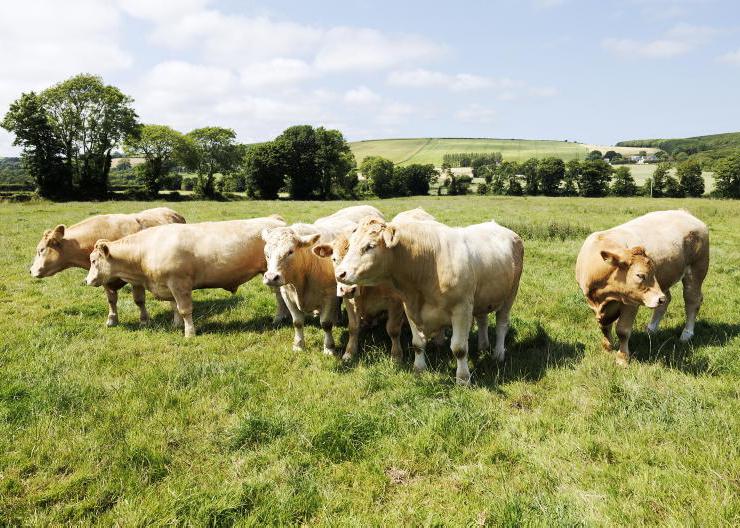
In general, the highest quality cattle in Ireland are reared on suckler farms. These are often sold as weanlings, but can also be kept on the original farm until they are large store cattle and, in some cases, spend their entire life on one farm, just making one journey to the factory at the end. Each farmer chooses a system that suits their type of farming and facilities best.
For farmers that produced cattle, 2025 was an exceptional year.
All of the systems for selling were favourable for the farmer and weanling sales were the best on record.
With the live trade so strong, was there any incentive to finish cattle all the way or was it a better option to sell as a forward store?
Three examples
To put this to the test, Irish Farmers Journal Martbids data was used to attribute an average value to a notional 550kg steer at three different points in its life; 1 October 2024, 1 May 2025 and 1 October 2025.
It is assumed that this steer is kept for four months and kills out at 370kg and grades R=3+ and the national average paid and reported in the Irish Farmers Journal for that week is used to calculate its value.
Over the four months, it is estimated that our notional steer will achieve a kilo per day of liveweight gain to arrive at the 370kg killout figure.
Example one shows us that the rising beef price in late 2024 into 2025 increased the value of this animal by €813 over the four-month period.
This is the amount of ‘extra’ cash the farmer would have received if they kept the animal on and took it to the factory themselves.
In example two, the margin between the 550kg liveweight store price at 1 May 2025 and the 370kg carcase four months later on 1 September is €759 with the rising beef price offsetting a higher store price.
In example three, the 550kg store value has continued to increase now reaching €4.38/kg liveweight making the animal worth €2,409.
However by four months later at 1 February, beef prices had stopped rising and were in fact falling. This made the 370kg beef carcase worth €2,734 or just €325 more than was paid for it.
These examples only illustrate the different market value in forward store steers and comparable beef price at three different points in time.
They take no account of production costs and as average published data is used, it doesn’t take account of outliers.
With that note of caution in mind, we can see clearly in the first two examples that the rising beef price more than compensated for the rising value of store cattle.
Gain
In these cases, notwithstanding production costs, the farmer would have gained by holding on and taking them to the factory.
However, by the time last autumn came, store and beef values were at their peak and in example three, the extra four months holding the animal left less than half the price gain over the most expensive feeding time of the year and it meant that the seller of the store animal was the winner on this occasion.
Of course trying to read the future market is a lottery and yet the current price of beef in the factory has a huge influence on the price of store cattle even if they won’t be factory ready for several months.
The other overall lesson from 2025 was that with a fast rising beef market, strong store cattle prices weren’t an issue but when the beef market turned it was a different story.



SHARING OPTIONS