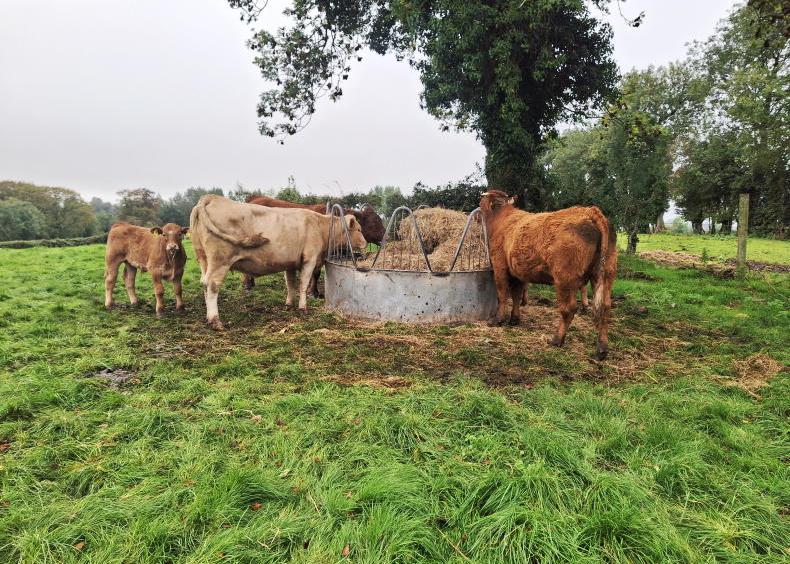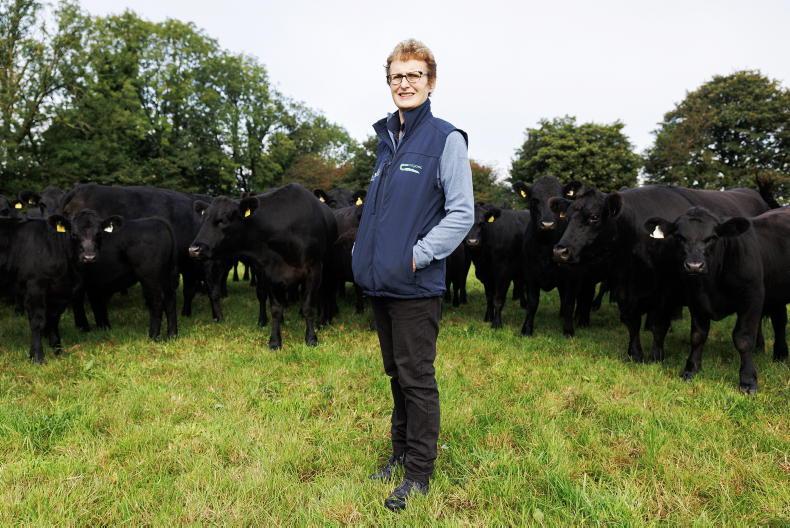
One morning last week I went out to check on my cows and calves, and to my disappointment there was a group of bull calves chasing after a cow. The animal was a first-calving heifer and had only been AI’d once, about seven weeks earlier.
I stopped breeding my cows around six weeks ago and I have had a few that came back into heat since. I was not overly annoyed, as I get a few every year, but this heifer had shown no movement and I had presumed that she was in-calf. I will just cull her and move on without dwelling on it.
It got me thinking about the whole business of farming. When things are going well there is always something to go wrong and knock you back. When that happens, it is extremely hard to get motivated to try again.
Everyone has their own motivation, and in my case my biggest motivation are my three sons. They are always pushing me on.
If I were on my own, I would have less incentive to make improvements to the farm. The boys are continuously looking to try new things and if it works, then they look to move onto something else.
Long life
I have a very good friend whose father died recently. He was in his one hundred and first year and was in good health until fairly recently. I have always been in awe at his motivation.
He would read the Irish Farmers Journal from cover to cover and identify the key points. Then when his son came in, he would direct him to particular pages that were a must read.
He had not been actively involved in the farm for a good few years, but he was a rock in the background and a wonderful source of motivation. Two weeks before his death he was still actively reading the paper and giving advice.
To have lived to that age and seen so many changes in farming, but still want to learn more, is something I greatly admire. That hunger for knowledge would put a lot of us to shame.
Back on my own farm, I am always looking to try out something new and a lot of times things go wrong. But instead of throwing the towel in, I try to motivate myself into giving it another go. Often that means changing things around and learning from my mistakes.
Red clover
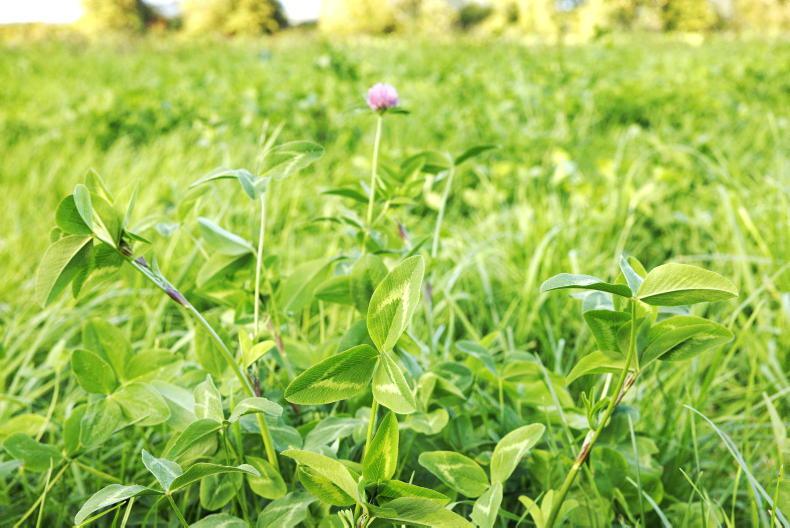
A few years ago, I had my first experiment with red clover. I chose one of my best fields and sowed both red and white clover, along with a grass mixture, in what I thought were ideal conditions.
In hindsight, I think I was a little naive and did not put enough red clover in the mixture. I think my management was not good enough either.
A few years later and the red clover is completely gone, although I still have a good grass and white clover mix in the field. I was extremely disappointed the red clover didn’t survive, but I am not a quitter and decided to give it another go.
The next field that I tried had a poor-quality moss bottom. I made sure and got the phosphorus (P) and potassium (K) levels up by applying farmyard manure. I could not do a lot with the pH as it was black ground and so naturally acidic. I tried to get rid of the weeds in advance, especially docks.
I sowed 3kg of red clover and 2kg of white clover alongside tall fescue, timothy as well as perennial ryegrass. I also used granulated lime as a quick fix for the pH.
At the start of the year, I was a little unsure and I went with my normal slurry and fertiliser. Since then, it has received slurry only.
I have just taken the third cut from the field and it has been very pleasing. This second go at red clover is a lot better than the first, but it is not perfect – while there is lots of red and white clover, the docks are coming back.
So, I might need some extra motivation to give red clover another go, but I am going to wait and see how good the silage is before I decide on my next move.