



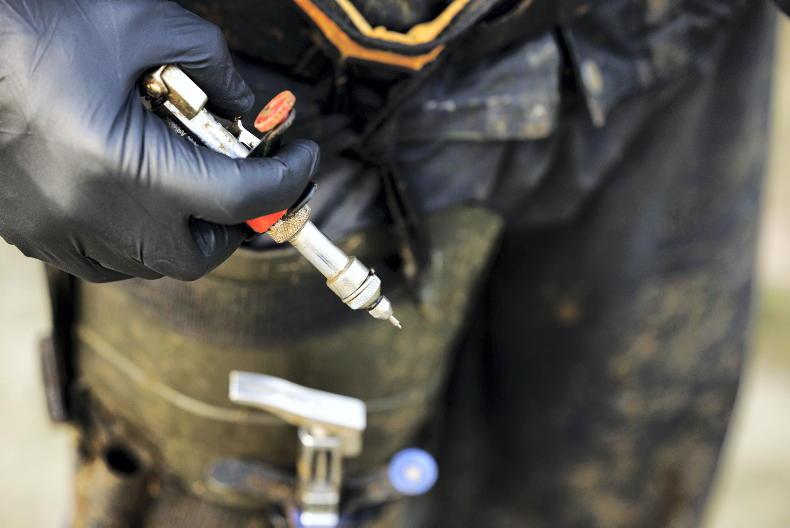
Increased use of the interferon gamma blood test for bovine TB could result in a rise in the number of reactors taken off farms, Agriculture Minister Andrew Muir has said.
Briefing members of the Stormont Agriculture Committee last Thursday, the DAERA Minister said roll out of more blood tests is an important part of trying to get on top of the disease.
“The work we’re doing here may lead to a short-term rise in identification of TB because we’re doing a concerted effort, particularly in terms of increasing the use of the blood test,” said Minister Muir.
Official data published by the department now includes the number of animals with a positive blood test.
Across the first five months of the year this figure stands at 735 head, however, that is expected to increase significantly in the months ahead.
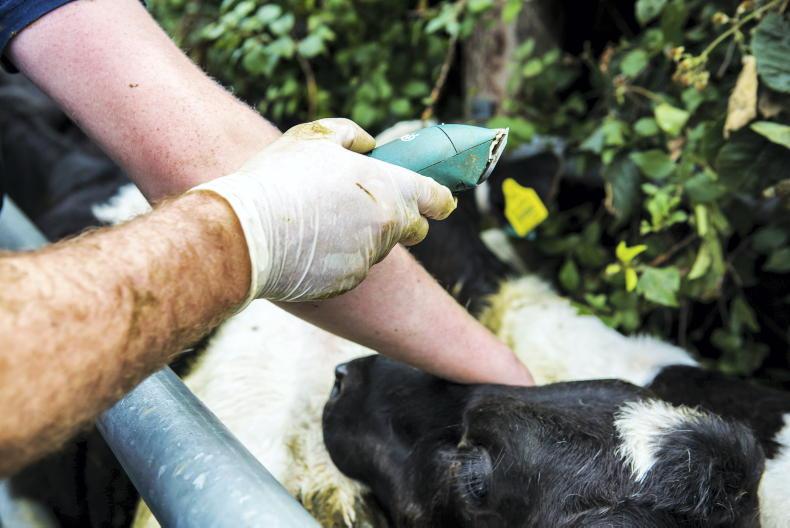
From 29 June 2026, all herds (other than beef finishing units) with 10 or more TB skin reactors at a test, or herds with more than 40 reactors within a rolling 12-month period, are required to undergo blood testing. Inconclusive animals in non-breakdown or single reactor herds, will also be blood tested.
The test is more sensitive than the skin test, so is less likely to result in false negatives, but it has lower specificity, with 3 to 4% of animals tested showing a positive reaction, despite not actually having TB.
In the latest TB statistics to the end of May 2026 annual herd incidence, which is a measure of the number of new breakdown herds, now stands at 9.66%.
At the start of the year, that figure had been gradually falling from historic highs, but it has plateaued in recent months.
Over the same period, 8,161 cattle have been taken off farms after a positive skin test, up 2.2% on the 7,984 head from the same period in 2025.
Consultation
The department has also released its latest consultation on potential options to deal with TB in badgers.
The 77-page document comes with hundreds of pages of supporting evidence.
While no preferred outcome is identified, the analysis does clearly show that controlled shooting of free-roaming badgers in TB hotspot areas, is the lowest cost option available.



SHARING OPTIONS