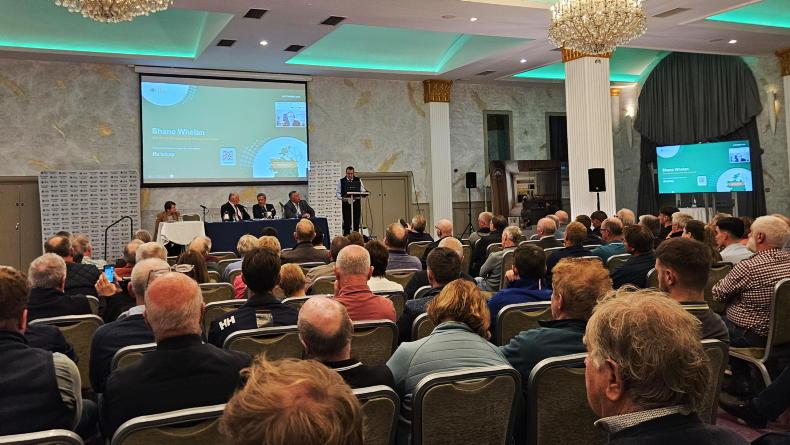
There is no consensus among members of the Stormont Agriculture committee around DAERA plans to attach three new conditions to farm payments.
Regulations allowing the department to introduce new eligibility requirements for a Farm Sustainability Payment (FSP) due in 2026, were debated by the committee last Thursday. Of the eight members present, only four said they were supportive of the rules as drafted.
Ultimately, it is only an indicative vote, as the legislation is due to go before all MLAs in the Assembly chamber, where it is likely to be passed.
However, at the meeting last Thursday, a number of unionist politicians expressed their concern about linking future area payments to farmer participation in various schemes.
In his evidence, George Moffett from DAERA said the first condition, due to be implemented from 2027, related to the soil nutrient health scheme (SNHS).
“Farm businesses must have registered for the soil scheme and completed training by the closing date of the single application window of the 15 May 2027 to be compliant,” he said.
Following that, cattle farmers will have to register for the Bovine Genetics project and do the association training by 15 May 2028 to avoid any deduction to their payment.
A third conditionality around carbon footprinting is also planned, but has been delayed by legal issues around appointing a third party to supply a suitable carbon calculator to the scheme.
“The timeline for the roll out of this project has still to be set,” said Moffett.
For each of the three conditions, the draft regulations legislate that a 10% reduction will be applied to the FSP in the first year of non-compliance, increasing to a 15% penalty thereafter.
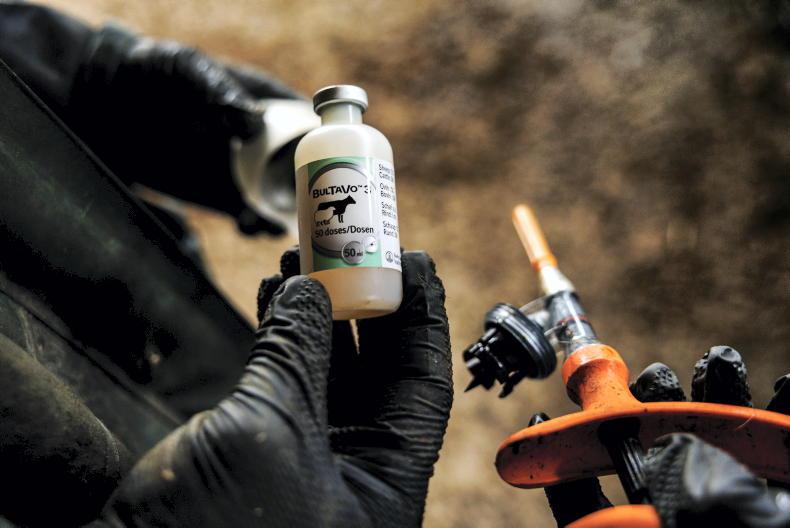
Genetics
With registration now closed for the SNHS and over 92% of farmers signing up for this scheme, the main issue now relates to uptake within the Bovine Genetics project.
At last Thursday’s meeting, DAERA officials again made it clear that farmers will have to sign up to the scheme and do the training, but they will not have to genotype their breeding animals (by inserting a tissue tag).
“At this point in time there’s no plan to include that as a conditionality.
“The conditionality purely relates to farm businesses initially registering for the scheme and doing the training,” said Moffett.
For those who do genotype their animals, the department has committed to pay farmers £13 per sample to cover the cost of tissue-tagging in the first year.
“We are currently looking at options for how it would be delivered from there on in,” said Moffett.
He added that DAERA has put a lot of funding into the SHNS and Bovine Genetics, with both projects providing data which will help make farms more sustainable and resilient to future shocks.
“By applying the conditionalities, we want to ensure that as many farm businesses as possible join those schemes [….] and get the benefits that those data platforms can deliver,” he added.
Historic years test to apply in 2026
Farm businesses which do not meet a “historic years requirement” will not be eligible to claim the new area-based Farm Sustainability Payment (FSP) in 2026.
As part of that historic requirement farmers must have had the likes of cattle and sheep on APHIS or farmed at least 3ha of crops in 2020 and/or 2021.
Initial analysis suggested that around 2,000 farm businesses currently claiming payments did not meet those requirements. These businesses were written to by the department in June 2025.
“Some of those businesses have come back with additional evidence, which the department has considered,” said George Moffett.
As a result, some of these claimants will be allowed to claim the FSP in 2026, leaving “slightly under 2,000” excluded next year.
These businesses effectively have until the end of the entitlement trading window in May 2026 to sell their entitlements.
Grass
While the new FSP is being targeted at active farmers, there will inevitably be some claimants who are undertaking fairly minimal activity, including those leasing out most of their land or simply growing some grass for sale.
A farmer who just grew grass in 2020 and 2021 will be excluded from the FSP in 2026, but that is not the case for someone who kept livestock in those years, and has since sold their animals, to now start a grass growing enterprise.
“From 1 January 2022, if that’s the business model, they are eligible,” confirmed George Moffett.
Revised land eligibility rules in 2026
The rules around eligible land are being simplified in 2026, which means areas covered in the likes of rush, scrub and bracken can all be used to claim payments.
Areas that will remain excluded are the likes of “building sites, public and private gardens, public parks, golf courses”, said George Moffett.
He added that only active farmers undertaking agricultural activity will be eligible to apply for the Farm Sustainability Payment (FSP) in 2026.
“They must also have management control of the land used to activate entitlements,” he said.
However, the wording suggests that the level of “agricultural activity” can be pretty minimal across much of the land, so long as it is not being farmed by someone else.
“The regulations require applicants for the scheme to carry out agricultural activity on at least 3ha of land used to activate entitlements. However, where an applicant submits a claim of less than 5ha, they must carry out agricultural activity on at least 2ha of land,” said Moffett.
When it comes to the 2026 single application, each farmer’s claim will be pre-populated with the areas of their fields that are now eligible to claim payments, although any new hard features will still need to be removed. Given that the number of entitlements is not being re-established across the new eligible land area in 2026, most farmers will find that they have more land than entitlements. It should help ensure the market for entitlement trading is healthy next spring.
Capping impacts 265 farm businesses
The other significant change to coincide with the introduction of a new Farm Sustainability Payment (FSP) in 2026 is the principle of progressive capping.
The progressive cap starts out at £60,000, with a 20% deduction applied on amounts between £60,000 and £80,000, rising to an 80% reduction between £150,000 and the current cap of £190,000.
When it is all worked out, it effectively means the maximum FSP will be capped £116,000. However, the cap is being introduced over a two-year period, so in 2026, for a FSP of £60,000 to £80,000 the deduction is 10%, meaning a farmer with a £70,000 FSP will receive a payment of £69,000. In 2027, this payment will reduce to £68,000.
When it comes to the maximum possible FSP, this figure stands at £153,000 in 2026.
“There are 265 businesses who are going to be impacted by this and of those, the majority of them are sitting at the lower levels between £60,000 and £100,000,” Lorna Christie from DAERA told committee members.
She also confirmed that the new capping policy is expected to result in an annual saving of around £2m, with that money remaining within the agri budget and re-distributed amongst all other farm businesses.
What is the Farm Sustainability Payment?
The new area-based Farm Sustainability Payment, due to start in 2026, is effectively the long-term replacement for the previous Basic Payment Scheme (BPS) that existed since 2015.
Accompanying the roll-out of the FSP in 2026 are a number of major policy changes, including a new set of Farm Sustainability Standards to replace cross-compliance. There are also new land eligibility rules, progressive capping above £60,000, a historic years exercise to help ensure the money goes to active farmers and the introduction of three conditions linked to government funded schemes.
“The FSP will act as a balance between providing a safety net, which will help a farm business withstand shocks that are beyond its ability to manage effectively, and encouraging farm businesses to become more environmentally sustainable, efficient, and resilient,” George Moffett from DAERA told last Thursday’s Stormont Agriculture committee.
There is no consensus among members of the Stormont Agriculture committee around DAERA plans to attach three new conditions to farm payments.
Regulations allowing the department to introduce new eligibility requirements for a Farm Sustainability Payment (FSP) due in 2026, were debated by the committee last Thursday. Of the eight members present, only four said they were supportive of the rules as drafted.
Ultimately, it is only an indicative vote, as the legislation is due to go before all MLAs in the Assembly chamber, where it is likely to be passed.
However, at the meeting last Thursday, a number of unionist politicians expressed their concern about linking future area payments to farmer participation in various schemes.
In his evidence, George Moffett from DAERA said the first condition, due to be implemented from 2027, related to the soil nutrient health scheme (SNHS).
“Farm businesses must have registered for the soil scheme and completed training by the closing date of the single application window of the 15 May 2027 to be compliant,” he said.
Following that, cattle farmers will have to register for the Bovine Genetics project and do the association training by 15 May 2028 to avoid any deduction to their payment.
A third conditionality around carbon footprinting is also planned, but has been delayed by legal issues around appointing a third party to supply a suitable carbon calculator to the scheme.
“The timeline for the roll out of this project has still to be set,” said Moffett.
For each of the three conditions, the draft regulations legislate that a 10% reduction will be applied to the FSP in the first year of non-compliance, increasing to a 15% penalty thereafter.
Genetics
With registration now closed for the SNHS and over 92% of farmers signing up for this scheme, the main issue now relates to uptake within the Bovine Genetics project.
At last Thursday’s meeting, DAERA officials again made it clear that farmers will have to sign up to the scheme and do the training, but they will not have to genotype their breeding animals (by inserting a tissue tag).
“At this point in time there’s no plan to include that as a conditionality.
“The conditionality purely relates to farm businesses initially registering for the scheme and doing the training,” said Moffett.
For those who do genotype their animals, the department has committed to pay farmers £13 per sample to cover the cost of tissue-tagging in the first year.
“We are currently looking at options for how it would be delivered from there on in,” said Moffett.
He added that DAERA has put a lot of funding into the SHNS and Bovine Genetics, with both projects providing data which will help make farms more sustainable and resilient to future shocks.
“By applying the conditionalities, we want to ensure that as many farm businesses as possible join those schemes [….] and get the benefits that those data platforms can deliver,” he added.
Historic years test to apply in 2026
Farm businesses which do not meet a “historic years requirement” will not be eligible to claim the new area-based Farm Sustainability Payment (FSP) in 2026.
As part of that historic requirement farmers must have had the likes of cattle and sheep on APHIS or farmed at least 3ha of crops in 2020 and/or 2021.
Initial analysis suggested that around 2,000 farm businesses currently claiming payments did not meet those requirements. These businesses were written to by the department in June 2025.
“Some of those businesses have come back with additional evidence, which the department has considered,” said George Moffett.
As a result, some of these claimants will be allowed to claim the FSP in 2026, leaving “slightly under 2,000” excluded next year.
These businesses effectively have until the end of the entitlement trading window in May 2026 to sell their entitlements.
Grass
While the new FSP is being targeted at active farmers, there will inevitably be some claimants who are undertaking fairly minimal activity, including those leasing out most of their land or simply growing some grass for sale.
A farmer who just grew grass in 2020 and 2021 will be excluded from the FSP in 2026, but that is not the case for someone who kept livestock in those years, and has since sold their animals, to now start a grass growing enterprise.
“From 1 January 2022, if that’s the business model, they are eligible,” confirmed George Moffett.
Revised land eligibility rules in 2026
The rules around eligible land are being simplified in 2026, which means areas covered in the likes of rush, scrub and bracken can all be used to claim payments.
Areas that will remain excluded are the likes of “building sites, public and private gardens, public parks, golf courses”, said George Moffett.
He added that only active farmers undertaking agricultural activity will be eligible to apply for the Farm Sustainability Payment (FSP) in 2026.
“They must also have management control of the land used to activate entitlements,” he said.
However, the wording suggests that the level of “agricultural activity” can be pretty minimal across much of the land, so long as it is not being farmed by someone else.
“The regulations require applicants for the scheme to carry out agricultural activity on at least 3ha of land used to activate entitlements. However, where an applicant submits a claim of less than 5ha, they must carry out agricultural activity on at least 2ha of land,” said Moffett.
When it comes to the 2026 single application, each farmer’s claim will be pre-populated with the areas of their fields that are now eligible to claim payments, although any new hard features will still need to be removed. Given that the number of entitlements is not being re-established across the new eligible land area in 2026, most farmers will find that they have more land than entitlements. It should help ensure the market for entitlement trading is healthy next spring.
Capping impacts 265 farm businesses
The other significant change to coincide with the introduction of a new Farm Sustainability Payment (FSP) in 2026 is the principle of progressive capping.
The progressive cap starts out at £60,000, with a 20% deduction applied on amounts between £60,000 and £80,000, rising to an 80% reduction between £150,000 and the current cap of £190,000.
When it is all worked out, it effectively means the maximum FSP will be capped £116,000. However, the cap is being introduced over a two-year period, so in 2026, for a FSP of £60,000 to £80,000 the deduction is 10%, meaning a farmer with a £70,000 FSP will receive a payment of £69,000. In 2027, this payment will reduce to £68,000.
When it comes to the maximum possible FSP, this figure stands at £153,000 in 2026.
“There are 265 businesses who are going to be impacted by this and of those, the majority of them are sitting at the lower levels between £60,000 and £100,000,” Lorna Christie from DAERA told committee members.
She also confirmed that the new capping policy is expected to result in an annual saving of around £2m, with that money remaining within the agri budget and re-distributed amongst all other farm businesses.
What is the Farm Sustainability Payment?
The new area-based Farm Sustainability Payment, due to start in 2026, is effectively the long-term replacement for the previous Basic Payment Scheme (BPS) that existed since 2015.
Accompanying the roll-out of the FSP in 2026 are a number of major policy changes, including a new set of Farm Sustainability Standards to replace cross-compliance. There are also new land eligibility rules, progressive capping above £60,000, a historic years exercise to help ensure the money goes to active farmers and the introduction of three conditions linked to government funded schemes.
“The FSP will act as a balance between providing a safety net, which will help a farm business withstand shocks that are beyond its ability to manage effectively, and encouraging farm businesses to become more environmentally sustainable, efficient, and resilient,” George Moffett from DAERA told last Thursday’s Stormont Agriculture committee.
SHARING OPTIONS