The devastating impact bluetongue has had on livestock farms in England this season was outlined at an AgriSearch conference in Cookstown last Wednesday evening.
Addressing the event, Gloucestershire-based vet Phillipa Page said the viral disease has created “massive concerns” for ram fertility.
She described a severe case in which a farmer in southwest England suffered substantial reproductive losses when just one of his 27 rams remained fertile after infection.
Nerys Wright, a farm consultant based in Bedfordshire, outlined how the financial cost and workload involved in treating animals for bluetongue can be significant.
She gave the example of a farmer who had to treat 600 individual ewes from a flock of 1,300 within the first two weeks of identifying clinical signs of the virus. The outbreak led to a veterinary bill of £10,000 in the first month after the virus was detected.
The most severe bluetongue symptoms are generally seen in sheep, with Phillipa Page stating that cattle tend to come through infections “more favourably”.
However, she said the virus was still leading to significant concerns about fertility in cattle as well.
“Scanning rates are poor,” she said. “We have got lots of empty cows, particularly in the southwest.”
Page described the spread of bluetongue across Britain this season as “unprecedented” and suggested that cases will be detected in NI over the coming months: “I know we haven’t had any reported cases here so far this year but, going into next year, there almost certainly will be.”
Vaccinate
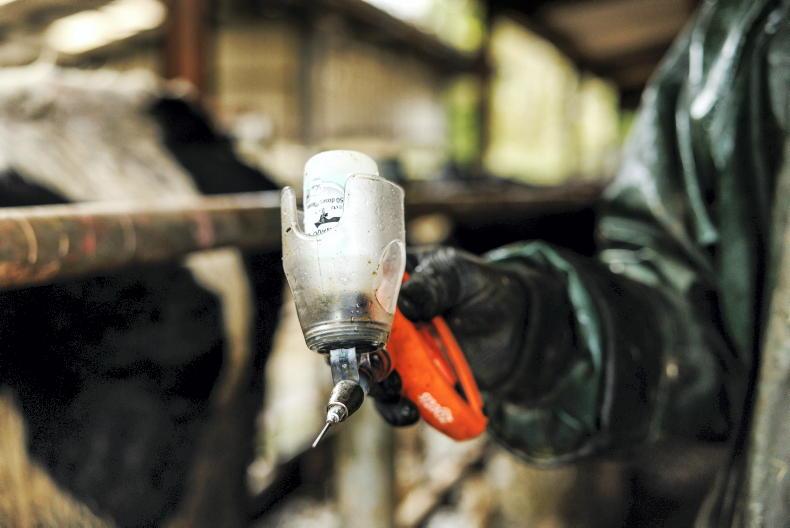
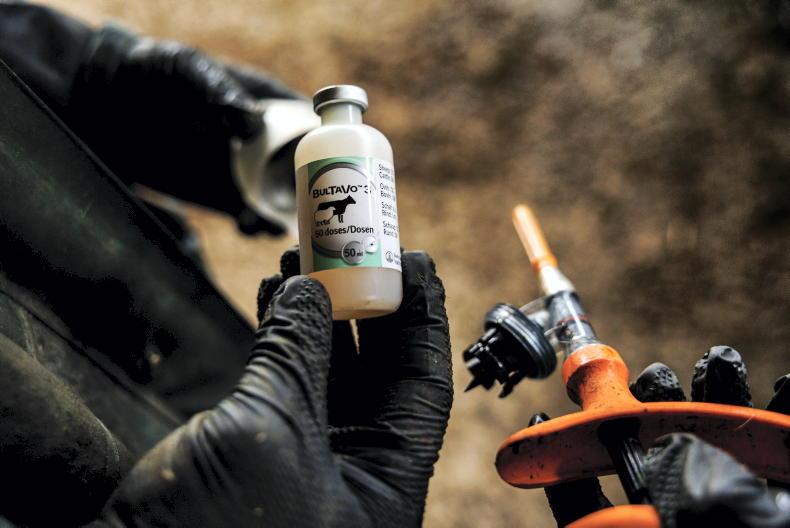
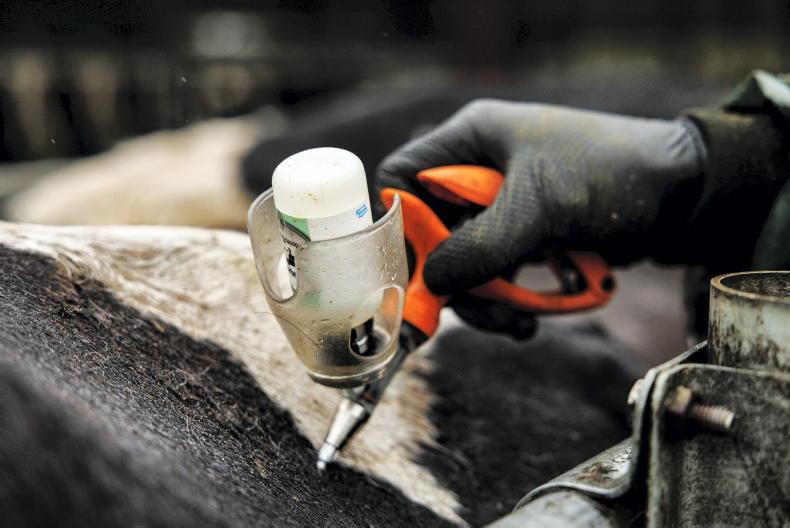
She advised local farmers to vaccinate livestock next spring, ahead of the active midge season starting in the summer.
“Please have the foresight to look at what happened [in England],” she said. “Those flocks that did vaccinate were not affected either at all or as much as those that did not.
“Heed the warning. Think about vaccination as an insurance policy,” she added.
With additional reporting from Lucy Christie