Livestock farmers across NI are being urged to remain vigilant against bluetongue virus (BTV) following the latest case in Kilkeel, Co Down.
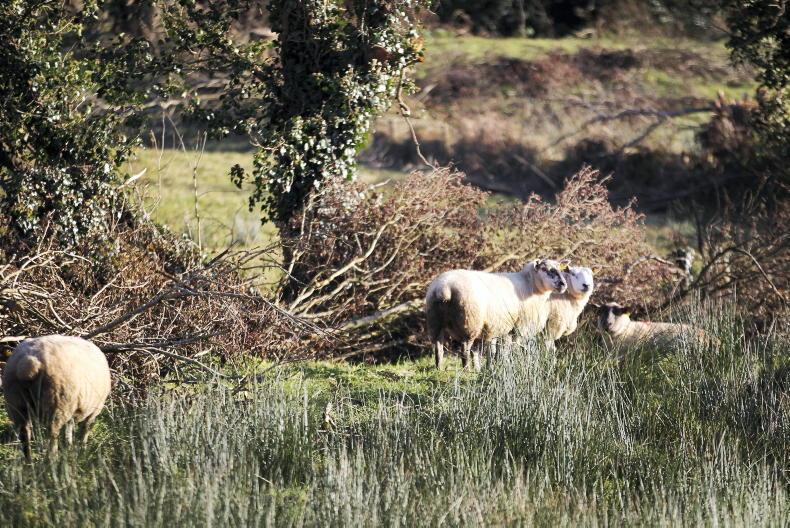
DAERA has confirmed that serotype 3 (BTV-3) was detected in three sheep, all of which were displaying clinical signs on 13 November.
Agriculture Minister Andrew Muir said the latest detection was not unexpected, given the spread of BTV-3 across Britain and Ireland.
“Continued vigilance and strict biosecurity measures remain of paramount importance and I would once again urge all farmers to report any suspicion of disease to DAERA,” said the minister.
More than 100 holdings have recorded cases across the Republic of Ireland in recent weeks, while the number of confirmed cases in Britain has also continued to rise.
Figures published on 13 November show that 2,950 premises have now recorded confirmed cases in England since July, alongside 512 in Wales and 57 in Scotland.
No further disease control measures, including movement restrictions or temporary control zones, will be introduced in response to the latest detection.
BTV-3 was first identified in NI in November 2025, meaning the virus is already established, so the latest case does not represent a new incursion.
However, the suspension of NI’s bluetongue-free status has implications for certain livestock exports, with additional health certification requirements applying to movements to some destinations. Exports to Britain remain permitted under the usual pre-bluetongue requirements.
DAERA’s approach is now focused on managing the disease through ongoing surveillance and early detection.
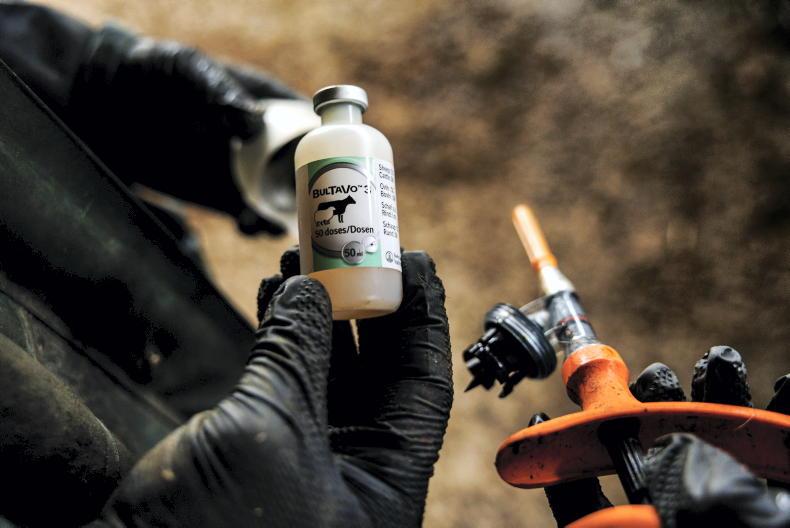
Vaccination remains an important tool in reducing the impact of BTV-3.
While it does not guarantee protection against infection or transmission, it can reduce the severity of clinical signs and the risk of mortality.
Where bluetongue is suspected, affected animals should be isolated indoors where possible and veterinary advice should be sought immediately.