



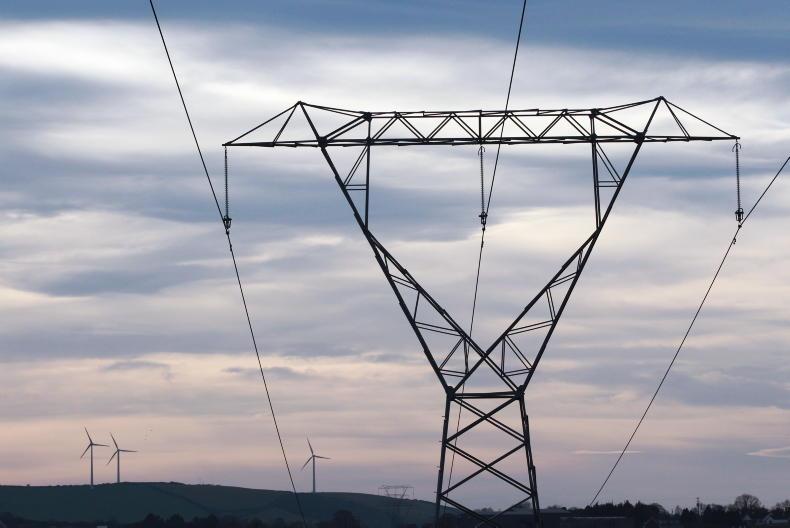
Despite the stabilisation of wholesale gas and electricity prices after the energy price crisis, prices remain high and are likely to stay so. This is particularly the case in Ireland, as the country relies heavily on gas for power generation.
These findings were contained in the interim report of the Government’s National Energy Affordability Taskforce, established to make recommendations for reforms that will benefit consumers while delivering key renewable commitments.
Higher costs
It found that, for 2025 and 2026, regulated energy charges in Ireland are set to rise by an estimated €35 per customer, mainly due to increases in network tariffs and imperfection charges, partly offset by reductions in capacity charges and the PSO levy.
Electricity suppliers determine how these costs are passed on to consumers, and several have already announced price hikes effective from October 2025, which will push the average annual electricity bill to around €1,877. The reinstatement of the standard VAT rate of 13.5% could add a further €77 per year.
Supports
The report warns that, without the temporary supports provided in recent years such as energy credits and lump sum social welfare payments, many households will face renewed financial pressure this winter.
For businesses, persistently high energy costs threaten competitiveness, particularly for domestic firms and exporters, reinforcing Ireland’s reputation as a high-cost location and potentially deterring future investment and job creation.
Government response
In response to Ireland’s abnormally high energy costs, the Government has extended the reduced 9% VAT rate on electricity and gas until 31 December 2030, and the €400 income tax disregard for profits from micro generation has been extended to 31 December 2028.
Businesses will also benefit from the extension of the Accelerated Capital Allowances scheme for energy efficient equipment until 2030.





SHARING OPTIONS