New conventional techniques in speed breeding means that scientists can breed six generations of a spring crop in a year, meaning new varieties can be developed in a fraction of the time previously required. The key break through comes from increasing light levels to 22 hours a day and maintaining a high temperature to stimulate growth. Unripened seed can be harvested after two months with the embryo cut from the seed and grown in a laboratory to start the next generation of plants.
“We used to do shuttle breeding where we would grow a crop in Scotland then send seed to New Zealand where a second crop could be grown. We can now grow a lot more generations within Scotland,” said, Dr Steve Hoad of SRUC.
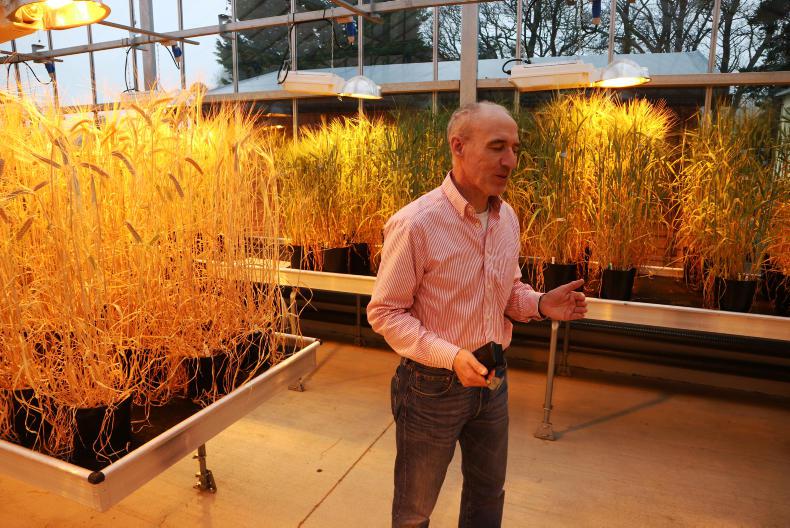
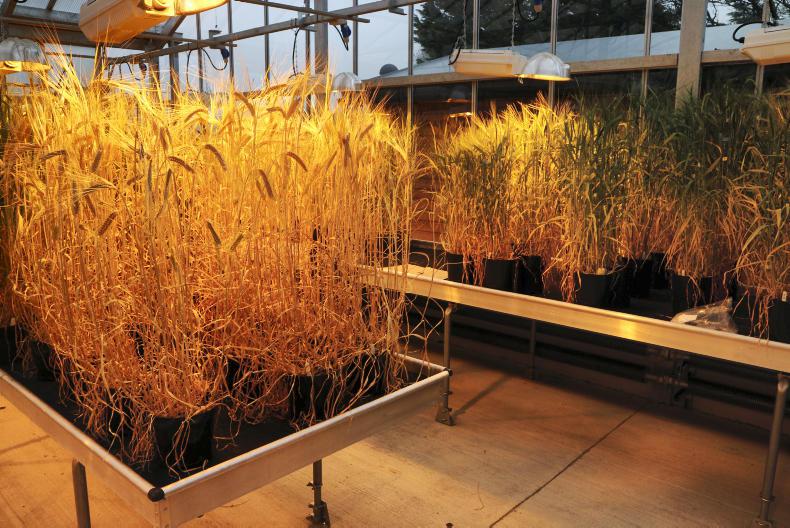
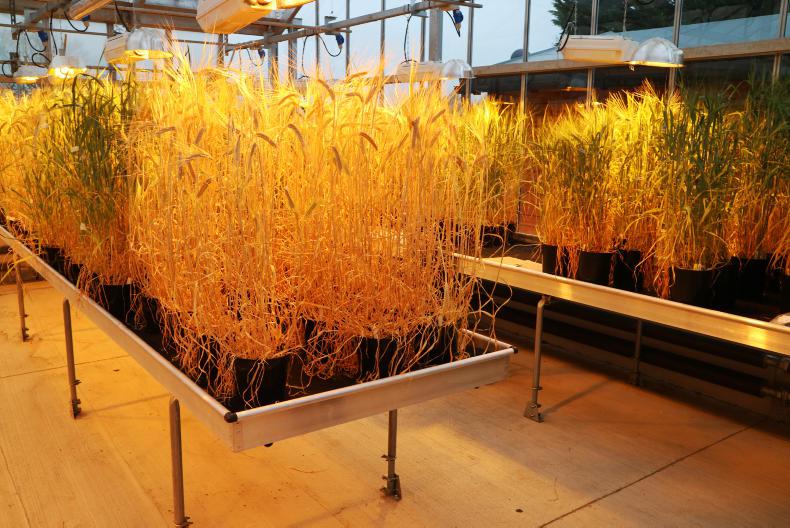
The new technique involves speeding up plant growth by increasing the temperatures. The plants here have a minimum temperature of around 10 degrees Celsius but this can be increased to a minimum temperature of 20 degrees Celsius for the most rapid crops. Scientists also increase light levels with fastest growing plants under light for 22 hours a day.
ADVERTISEMENT
“Previous attempts to increase light levels and temperature resulted in poorer quality of plants. Only now are we able to push plants like this with success,” said Steve. The crops utilising these new techniques at SRUC are spring barley and wheat. Spring varieties respond best to the growing environment as they do not need vernalisation (a cooling of the seed to stimulate growth) like winter crops. However winter varieties can be grown faster once they have been kept in under six degrees Celsius conditions for a period. Steve thought this would bring breeding from winter crops down to around three months a generation.
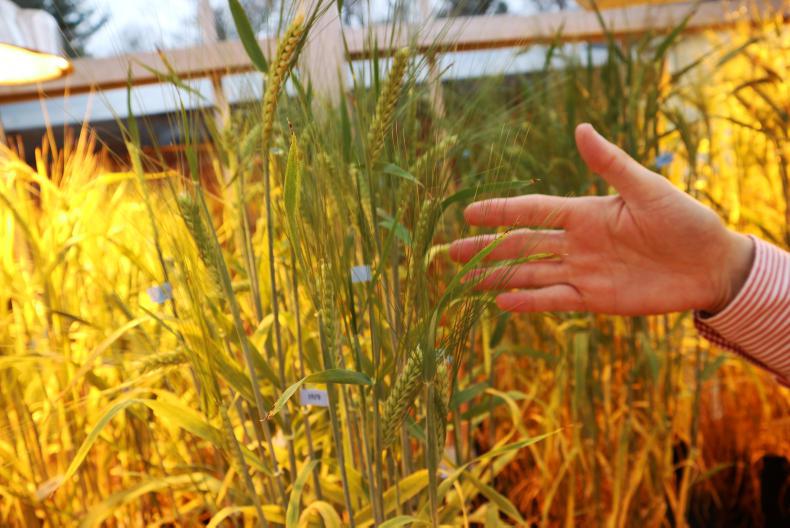
Two weeks after the barley or wheat has flowered they can harvest unripened seed. Despite the seed not being fully developed the embryo part of the seed is cut off and can be grown in laboratory with a replacement food source. This can then be grown onto a new generation of barley or wheat. Genotype technology is also utilised as it complements the speed breeding by allowing scientists to spot traits which are being bred quicker.
The new technique could be used in other plants like brassicas to develop new varieties for farmers. The first generation this technique should be grown this year at SRUC Kings buildings in Edinburgh.
Register for free to read this story and our free stories.
This content is available to digital subscribers and loyalty code users only. Sign in to your account, use the code or subscribe to get unlimited access.
The reader loyalty code gives you full access to the site from when you enter it until the following Wednesday at 9pm. Find your unique code on the back page of Irish Country Living every week.
CODE ACCEPTED
You have full access to the site until next Wednesday at 9pm.
CODE NOT VALID
Please try again or contact support.
New conventional techniques in speed breeding means that scientists can breed six generations of a spring crop in a year, meaning new varieties can be developed in a fraction of the time previously required. The key break through comes from increasing light levels to 22 hours a day and maintaining a high temperature to stimulate growth. Unripened seed can be harvested after two months with the embryo cut from the seed and grown in a laboratory to start the next generation of plants.
“We used to do shuttle breeding where we would grow a crop in Scotland then send seed to New Zealand where a second crop could be grown. We can now grow a lot more generations within Scotland,” said, Dr Steve Hoad of SRUC.
The new technique involves speeding up plant growth by increasing the temperatures. The plants here have a minimum temperature of around 10 degrees Celsius but this can be increased to a minimum temperature of 20 degrees Celsius for the most rapid crops. Scientists also increase light levels with fastest growing plants under light for 22 hours a day.
“Previous attempts to increase light levels and temperature resulted in poorer quality of plants. Only now are we able to push plants like this with success,” said Steve. The crops utilising these new techniques at SRUC are spring barley and wheat. Spring varieties respond best to the growing environment as they do not need vernalisation (a cooling of the seed to stimulate growth) like winter crops. However winter varieties can be grown faster once they have been kept in under six degrees Celsius conditions for a period. Steve thought this would bring breeding from winter crops down to around three months a generation.
Two weeks after the barley or wheat has flowered they can harvest unripened seed. Despite the seed not being fully developed the embryo part of the seed is cut off and can be grown in laboratory with a replacement food source. This can then be grown onto a new generation of barley or wheat. Genotype technology is also utilised as it complements the speed breeding by allowing scientists to spot traits which are being bred quicker.
The new technique could be used in other plants like brassicas to develop new varieties for farmers. The first generation this technique should be grown this year at SRUC Kings buildings in Edinburgh.
If you would like to speak to a member of our team, please call us on 01-4199525.
Link sent to your email address
We have sent an email to your address. Please click on the link in this email to reset your password. If you can't find it in your inbox, please check your spam folder. If you can't find the email, please call us on 01-4199525.
ENTER YOUR LOYALTY CODE:
The reader loyalty code gives you full access to the site from when you enter it until the following Wednesday at 9pm. Find your unique code on the back page of Irish Country Living every week.










SHARING OPTIONS