When it comes to optimising profits in arable farming it all comes down to minimising inputs while maximising outputs and, by extension, that means yield. Input costs, like diesel or fertiliser, are beyond farm control and that makes it hard to make concrete cost plans and determine what level to use to drive yield.
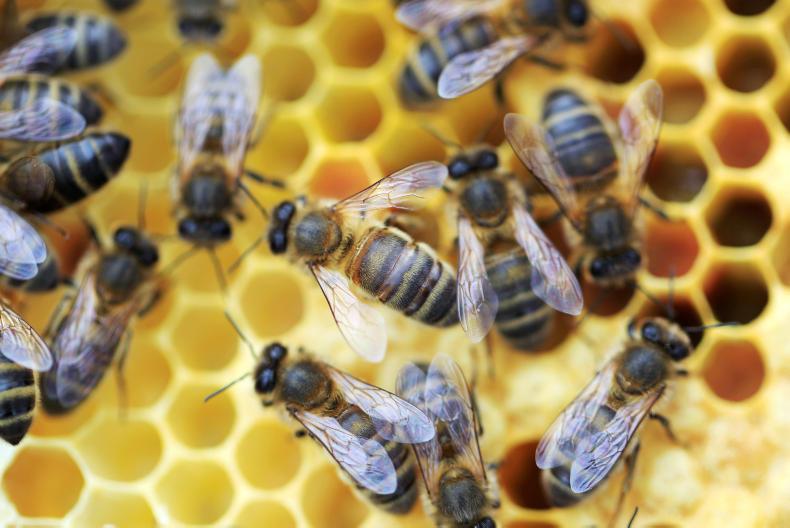
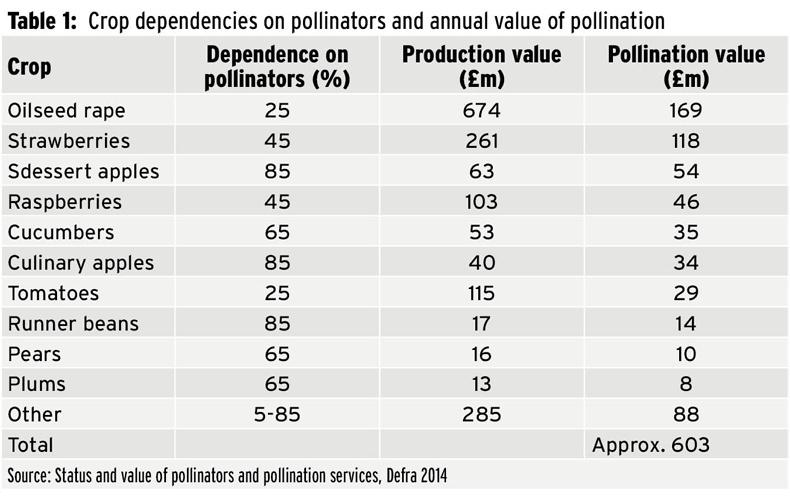
Pollinators, like the half inch bumblebee, are freely proved by nature, and their ability to increase yields is beginning to gain interest as governments seek to lower the quantity of artificial products applied to crops. Andy Evans, team leader of applied crop practices at SRUC, presented data on behalf of Dr Lorna Cole on the benefit that increasing biodiversity and pollinator populations can have on crop yield, especially in oilseed rape and beans.
Research carried out at Buckinghamshire farm has shown that ecological focus areas (EFAs) can add to farm productivity rather than take away from it. In bean fields with 3% of crop margins as wildlife habitat the yield was 25% higher. When that margin was increased to 8% the yield was further increased by 35%. This increase was driven by increased pollination that counterbalanced the loss of yield from the margins taken out of production.
ADVERTISEMENT
With Gove’s announcement at the Oxford Farm Conference reaffirming UK agriculture’s commitment to environmental protection post-Brexit it is unlikely that measures like the EFA will be relaxed. It is therefore crucial that arable farmers can make similar measures work in their favour.
Register for free to read this story and our free stories.
This content is available to digital subscribers and loyalty code users only. Sign in to your account, use the code or subscribe to get unlimited access.
The reader loyalty code gives you full access to the site from when you enter it until the following Wednesday at 9pm. Find your unique code on the back page of Irish Country Living every week.
CODE ACCEPTED
You have full access to the site until next Wednesday at 9pm.
CODE NOT VALID
Please try again or contact support.
When it comes to optimising profits in arable farming it all comes down to minimising inputs while maximising outputs and, by extension, that means yield. Input costs, like diesel or fertiliser, are beyond farm control and that makes it hard to make concrete cost plans and determine what level to use to drive yield.
Pollinators, like the half inch bumblebee, are freely proved by nature, and their ability to increase yields is beginning to gain interest as governments seek to lower the quantity of artificial products applied to crops. Andy Evans, team leader of applied crop practices at SRUC, presented data on behalf of Dr Lorna Cole on the benefit that increasing biodiversity and pollinator populations can have on crop yield, especially in oilseed rape and beans.
Research carried out at Buckinghamshire farm has shown that ecological focus areas (EFAs) can add to farm productivity rather than take away from it. In bean fields with 3% of crop margins as wildlife habitat the yield was 25% higher. When that margin was increased to 8% the yield was further increased by 35%. This increase was driven by increased pollination that counterbalanced the loss of yield from the margins taken out of production.
With Gove’s announcement at the Oxford Farm Conference reaffirming UK agriculture’s commitment to environmental protection post-Brexit it is unlikely that measures like the EFA will be relaxed. It is therefore crucial that arable farmers can make similar measures work in their favour.
If you would like to speak to a member of our team, please call us on 01-4199525.
Link sent to your email address
We have sent an email to your address. Please click on the link in this email to reset your password. If you can't find it in your inbox, please check your spam folder. If you can't find the email, please call us on 01-4199525.
ENTER YOUR LOYALTY CODE:
The reader loyalty code gives you full access to the site from when you enter it until the following Wednesday at 9pm. Find your unique code on the back page of Irish Country Living every week.








SHARING OPTIONS