



Thankfully, we are finally back to managing grass here in Abbeyleix rather than trying to keep cows going through a drought. It has been some turnaround over the last few weeks.
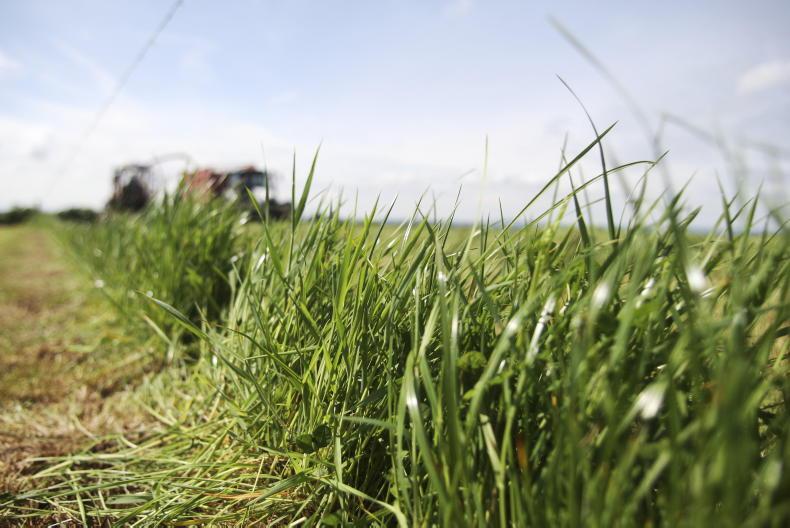
On my latest farm walk, I recorded a growth rate of 100kg DM/ha, with average farm cover back up to 983kg DM/ha. Demand is currently only 42kg DM/ha, so, on paper at least, we should be in a good position to build the cover to our target of 1,100kg DM/ha for 1 October.
I have cut the meal back to 6kg now and, all going well, I would like to get it back to 4kg. Silage has more or less disappeared from the diet, although I am still feeding the odd bale on the last grazing in a paddock where the cows are running short.
On paper, there should be enough grass there to finish the grazing, but in reality the cows are flying through it.
I had expected there might be a bit more value left in the grass this year after the drought, but perhaps I was being a little optimistic
I am still allocating around 21kg DM of total intake and I don’t think I could be overestimating the covers by enough to explain all of the difference. I suppose it is one of those things we see every autumn – once the grass is good quality and the cows are milking well, they can get through an awful lot of it. I had expected there might be a bit more value left in the grass this year after the drought, but perhaps I was being a little optimistic.
I would love to get completely away from silage for a few weeks, if the grass allows it. We will just have to keep measuring and see how the farm performs over the next few weeks.
Milk has taken a bit of a journey over the last while as well. When the grass first started coming back into the diet, cows dropped back to around 19-20l.
Thankfully, the latest collection showed them jumping back up to 22l, which was a very welcome improvement. Hopefully we can hold them at that level for a while and claw back some of the extra expense that the drought brought with it.
The solids are continuing to creep in the right direction too. Fat was 5.47% and protein 4.13% on the last collection, so there is plenty of quality in the milk at the moment. Milk urea has jumped to between 50 and 60, which is not unexpected with the big flush of nitrogen coming into the grass after the drought. So far, the cows don’t seem to be showing any negative effects from it, but it is something I will be keeping an eye on.
Interestingly, the farm had already reached that 100kg DM/ha growth rate before the fertiliser I spread had actually kicked in
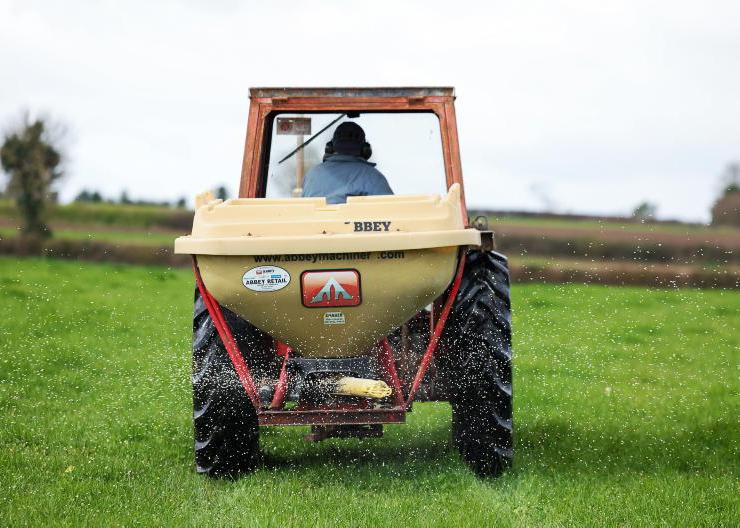
I blanket-spread half of the farm, the half furthest away from being grazed, about two weeks ago. On the other half, I have been following the cows with fertiliser as paddocks are grazed. I am currently going with one bag per acre of 21-0-10.
Interestingly, the farm had already reached that 100kg DM/ha growth rate before the fertiliser I spread had actually kicked in. That gives an indication of just how quickly the grass has responded to the rain and the improved growing conditions. There should hopefully be another good bit of growth to come from the fertiliser now, provided the weather stays favourable.
I spread two bags per acre of 21-0-10 on the block earmarked for third-cut silage. I also put out one bag per acre on the block where the in-calf heifers are coming home to.
The heifers are due home this week and there is a good run of grass ahead of them, so hopefully we can keep them out and grazing until December.
They have received their two Salmonella injections and the cows are due their booster this week. The heifers scanned with four empty, which works out at 13%.
That was disappointing, particularly as the empty heifers had two chances with the bull. It is hard to know exactly what happened with them, but the obvious conclusion is the drought, even thought they didn’t actually seem under any pressure during it.


SHARING OPTIONS