



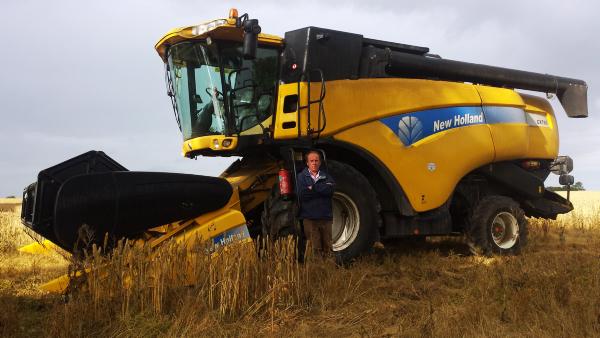
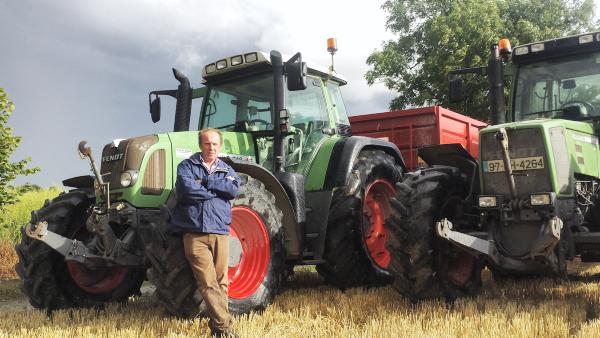
On the 100th anniversary of the beginning of World War I, I thought I’d take the opportunity to look back to that time and to see its effects on Irish farming.
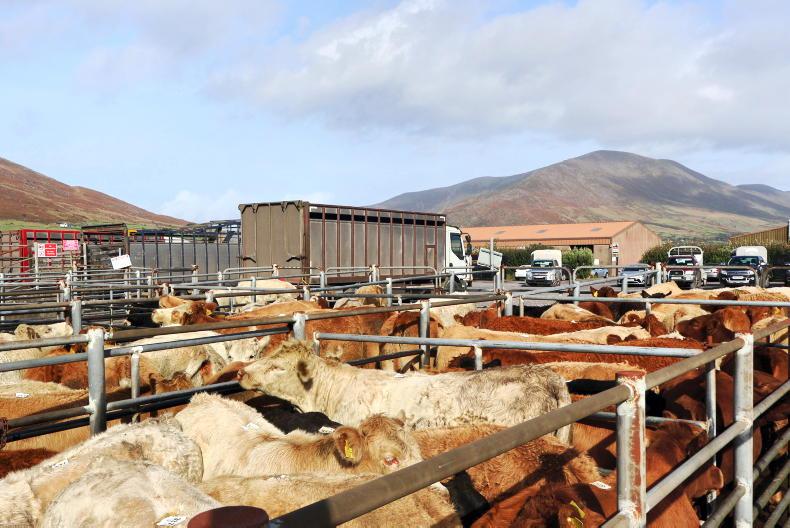
In the years between the Great Famine and World War I, the area under grain crops had declined by around 50%. Much of the tillage land had been returned to grassland. On the larger farms on the eastern side of Ireland, there was handier money in the extensive summer grazing of store bullocks, which had been railed up from the west. Once fat, these cattle were walked to the Dublin cattle market and on to the North Wall for live export to England to feed its insatiable appetite for beef.
But the outbreak of war in August 1914 was to change the old order of things and to change them forever.
Wheat shipments, which had flowed freely across the Atlantic, were now threatened by submarine attack and native grain production had to be increased. But there was apathy towards the labour-intensive tillage crops and supplies fell short of demand. Besides, while the war had escalated prices for all agricultural produce, it was particularly good for the cattle trade.
Compulsory tillage was introduced in 1917, where one eighth of the farm area had to be sown to grain crops. This can’t have been too popular in Cavan and other parts of the country but at least, in those days, there was no Brussels bureaucracy and messing around with ecological focus areas (EFAs) or three-crop rules.
But yields were low in the early 1900s and a wheat yield of one tonne to the acre then was like blowing about five tonnes to the acre now.
However, World War I was fought in what was still a largely unmechanised era. It’s estimated that 400,000 horses were at work on the battlefields of the Western Front. Horse dealers searched the Irish countryside for suitable draught animals and over 65,000 Irish horses were shipped to France and to almost certain death or injury.
The feeding of these horses was a massive logistical exercise in itself and, by 1917, a staggering 36,000t of hay, straw and oats were shipped to French ports every week. It certainly puts our fodder crisis into perspective. Some of this forage was sourced in Ireland and the grain and feed trade would have been a lot livelier than it is this year.
It goes without saying that the tragic loss of so many young Irishmen on the battlefields of France and Belgium created labour shortages on Irish farms. Labour was already in short supply before the war and the situation became more acute.
The combination of increased demand for agricultural produce and shortages of labour and of work horses created an urgency for farm mechanisation.
The tillage fields of Ireland were to experience a major revolution and the quiet rattle of chain and harness was to be replaced forever by the exhaust note of the tractor.
There were a few American-built tractors on Irish farms before World War I but with the advent of Fordson’s timely and mass-produced Model F in 1917, this was all to change. So much so that all of the early production of these tractors were bought by the British government to ramp up food production. Sales of reapers and binders escalated, the largest of which had a 7ft cut, which must have caused the same level of excitement as a 40ft header would today.
And, finally, I’ll leave you with a thought. It was the plight of little Belgium that brought the Allies into the war. And now, 100 years later, Brussels in the heart of little Belgium calls all the shots.



SHARING OPTIONS