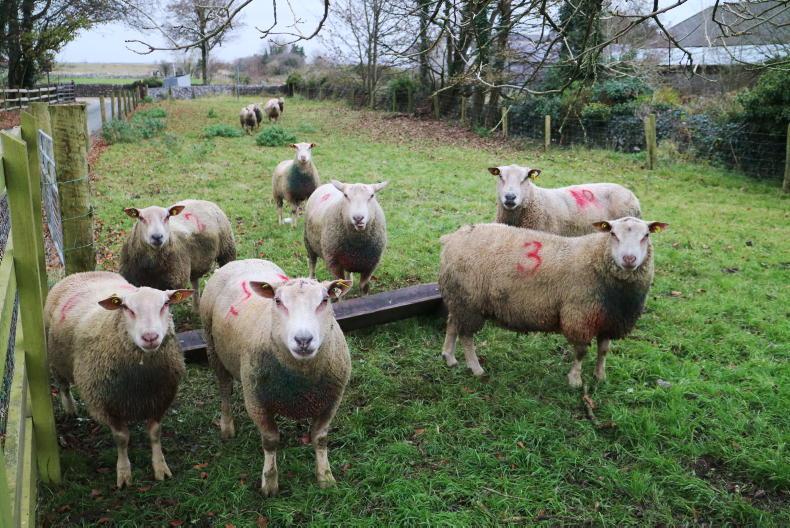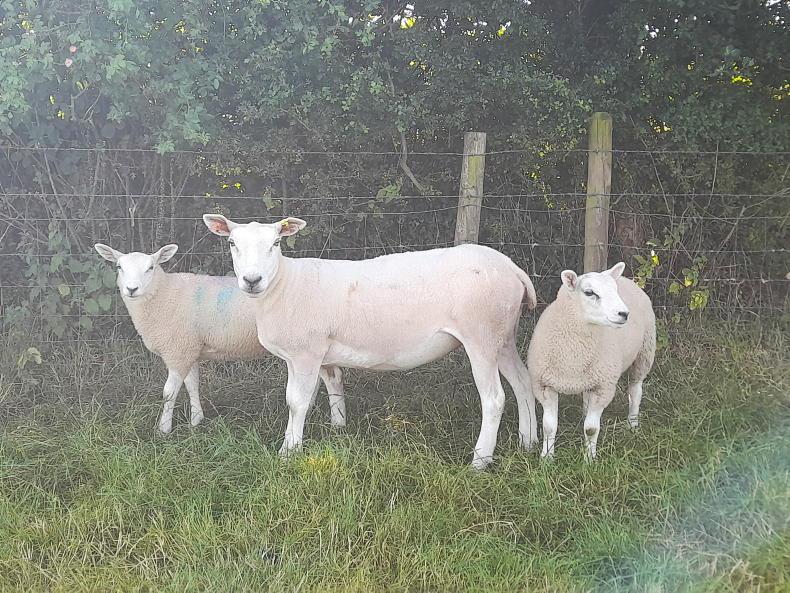
My sheep flock manages to throw up a different problem every year.
One winter, it was listeriosis; another autumn, sheep scab reared its ugly head and, naturally, coccidiosis and stomach worms have all contributed to making sure I stay on my toes.
This season’s main issue centre around lame lambs or, to be more precise, scalded feet.
Scald and lameness are an ongoing concern on most sheep farms, but these past few weeks have surpassed anything I can remember. If I had to explain to someone not familiar with the physical management of a breeding flock: a lamb with scald walks like a long-deceased great aunt of my father’s.
I used to watch her coming down the stairs with all her aches and pains, and it seemed to me (then aged about five) that she must have had small shards of broken glass in her shoes. Isn’t it funny how the mind of a child works? Or perhaps she just needed to be turned over and her toenails given a bit of a trim.
Weather
I suspect it started with the poor weather last autumn, resulting in pregnant ewes being housed for too long before lambing.
Straw bedding is a great way to spread disease among sheep, and by the time lambing arrived, foot problems were well established.
I thought the lameness was under control, with individual culprits being injected with Zactran – but it seems not. After going to grass, lame mothers probably shed bacteria all over the fields, and presumably the lambs then became infected. I’m also guessing that weather conditions played their part and, hey presto, I had real trouble on my hands.
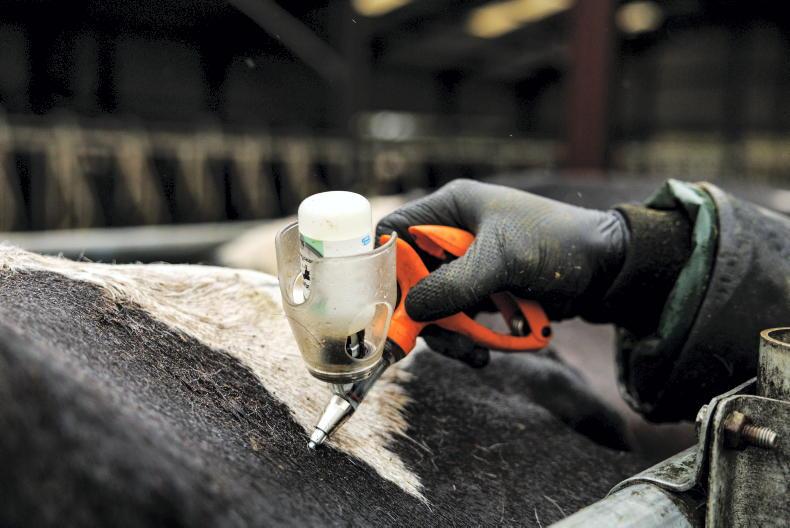
For the most part, antibiotic aerosol – along with 3ml of strong, long acting Alamycin – cured the lameness, but a small number needed something more.
A number of lambs displayed something I have not seen before, which was three feet completely free of scald (still hairy between the cleats) and a fourth foot that had bad footrot. When I saw how badly infected the worst foot was (the hoof was ready to come away), I expected to see at least a bit of scald in the other hooves.
These worse cases received Zactran, and I bought a cannister of a white, powdery spray that is meant for open wounds. My notion is that the antibiotic is doing the most curative work, followed by fresh air once the raw hoof gets exposure?
New year
What am I going to do about it for next year? Well, I have already started marking some lame ewes for selling that would otherwise have been kept for another season, but I’ll have to up my game still further.
Another potential option is to isolate any ewes that are seen hobbling in the autumn and see if that yields results. I did use footrot vaccine for a few years but, in all honesty, couldn’t see a button of difference, so that venture was abandoned.
I have been told that bad feet, like so many other traits, are strongly heritable, and it was suggested that my ewe lambs should only be picked from mothers that are of sound feet.
That’s a tough one since some of the strongest ewe lambs have definitely had at least a wee bit of scald. In addition, I am buying in Mule hoggets each year, and I have no idea how many times they had previously visited the podiatrist, so it seems a bit harsh to deselect them on that basis.
Foot bath
Latest thinking seems to strongly advocate batch foot bathing, and the necessity for sheep to stand for half an hour in the solution.
That would require a concentrated effort from me to find a level area in the yard and the construction of a whole new handling system, with a standing area that would hold at least 40 animals.
While this is far from impossible, the spread-out nature of my land means that there is a relatively short window in which all stock is based near the home yard. However, if it meant a meaningful reduction around the scourge of lame feet, then it might be worth the bother.