



Kevin Pollard, ag science student UCD, Ballingarry, Co Tipperary
DEAR SIR: Ireland has been set a target by the European Union to produce 40% of our electricity from renewable sources by 2020. We currently produce 19% of our electricity from renewable sources, mainly from wind energy. We are lagging more and more behind our European counterparts in trying to reach this demand, with countries like Germany and Denmark looking on course to exceed the expectations.
Ireland can’t just rely on wind energy as a source of renewable energy. Other European countries are passing us at a rapid rate using other sources of energy.
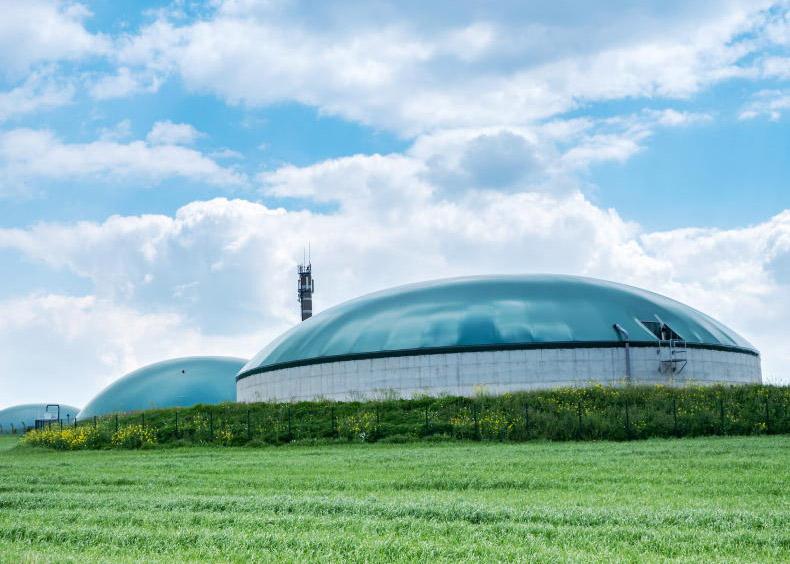
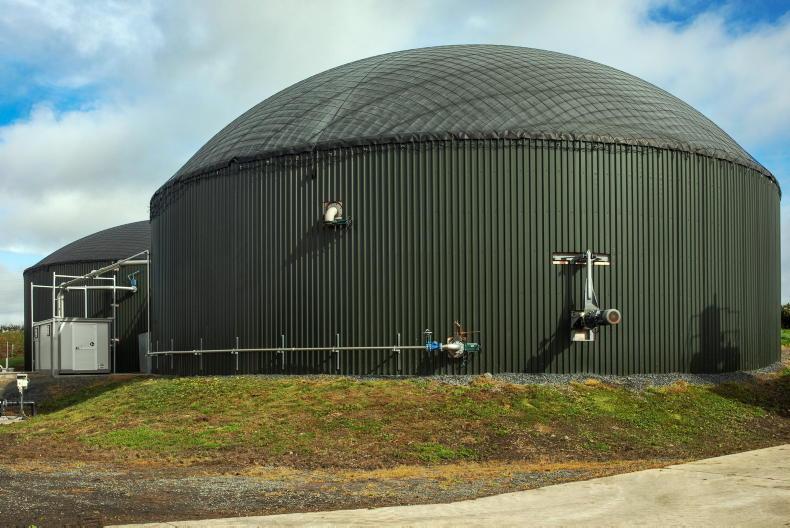
A huge catalyst for this growth across Germany, Denmark and even the UK is anaerobic digestion. The system of anaerobic digestion works where feedstuffs such as animal waste, silage, maize and even household waste are fed into a huge mixer under conditions where oxygen is not present. This system is very similar to a cow’s stomach. It mixes the feedstuff to produce methane which can produce electricity and even heat for local households.
The mixture that is left over can be spread on fields as fertiliser and has no gas present in it. It is odourless and the land can get more from the nutrients in the slurry than were in it before the process began.
This system of renewable energy would not only help increase Ireland’s renewable energy output by 2020, but also as the harmful gas from animal manure is not expelled into our atmosphere, this would help us meet other gas emission targets in the EU.
The difficulty of this system is the price that is paid for the electricity it produces. In many of the leading EU countries producing this type of renewable energy, they receive a grant per kilowatt of electricity they produce.
The price paid by the government in Germany is 18c/kW and similar in other EU countries. For a system like this to work, the Irish government needs to increase this grant so we can compete at an EU level. It is feasible for other EU countries to implement such a tariff, so why not Ireland?
There is at least 37m tonnes of animal waste produced in Ireland per year, all of that energy going to waste. Farmers can benefit from receiving the slurry back after the process and furthermore think of the amount of the construction jobs that can be created, the jobs created in collecting the feedstuffs and bringing it back to farmers.
Arable farmers have another source to sell to, making the market more competitive, and pig farmers have another source to offload their pig waste, which can be then applied to the land after the process it complete. Farmers can sell excess produce at good prices.



SHARING OPTIONS