


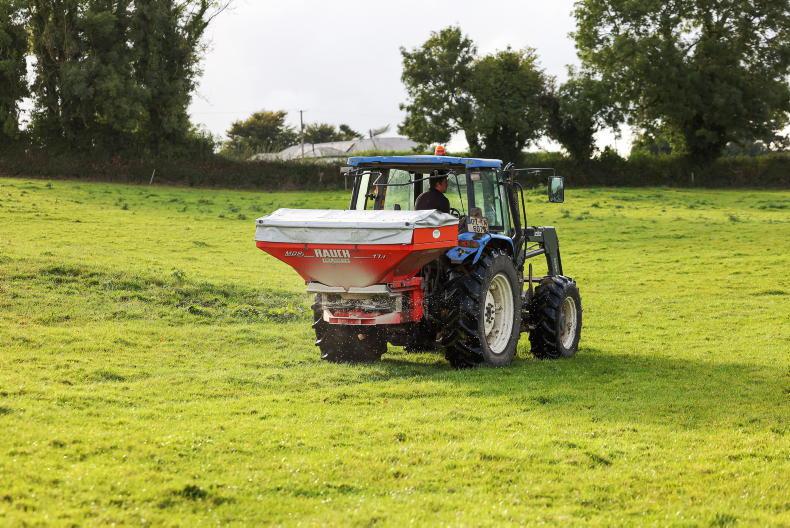
There are fears of further disruption to global fertiliser suppliers following Iran’s refusal to reopen the Straits of Hormuz.
The latest impact of the closure – which has already seriously hit urea supplies to world markets – is a proposal from the world’s largest producer of phosphates to cut production of diammonium phosphate (DAP) by around 30% over the coming weeks to facilitate maintenance.
The Moroccan state-owned company OCP is planning to bring forward maintenance to the second quarter because of the impact on the delivery of product from Gulf for use in the production of DAP.
It had been envisaged that the much-heralded ceasefire in the war between the US and Iran would result in the gradual resumption of key fuel and fertiliser supplies from the Gulf region.
However, the continuing hostilities – and Iran’s subsequent refusal to reopen the key shipping lane from the Gulf States – has thrown markets for fuel and fertiliser into disarray.
Precarious situation
OCP is the world's largest producer of phosphate and phosphate-based products such as DAP. The product is typically 18% nitrogen and 46% phosphate, making it a crucial source of both products.
Any reduction in DAP output would exacerbate an already precarious fertiliser supply situation.
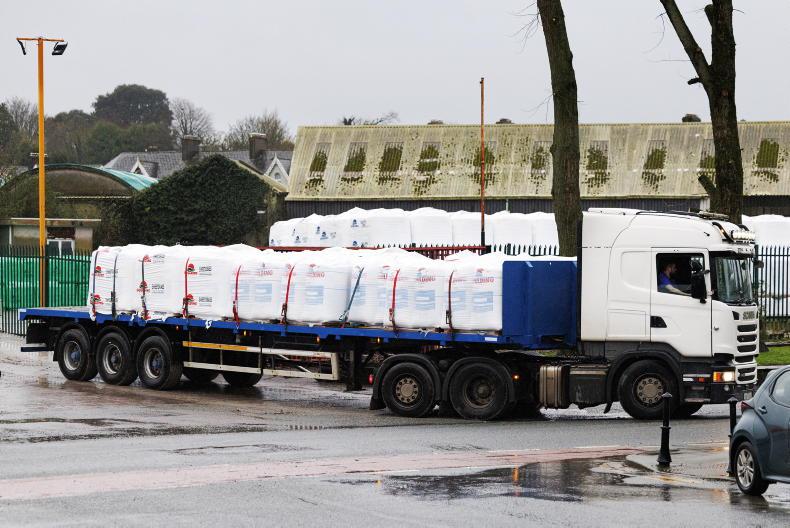
However, the immediate concern for many merchants is getting product. The surge in fuel costs and recent protests have left many merchants struggling to secure supplies.
This week, Offaly merchants and feed suppliers Grennans confirmed that it switched trucks from fertiliser supply duties to concentrate on the feed.
Meanwhile, merchants report slower farmer buying this week, due to the poor weather. Prices are generally unchanged.
Urea is trading for €800 to €850/t, CAN is being quoted at €525 to €550/t, with 18:6:12 at €630 to €670/t and 10:10:20 at €700 to €740/t. Deals are being done for cash buyers.



SHARING OPTIONS