



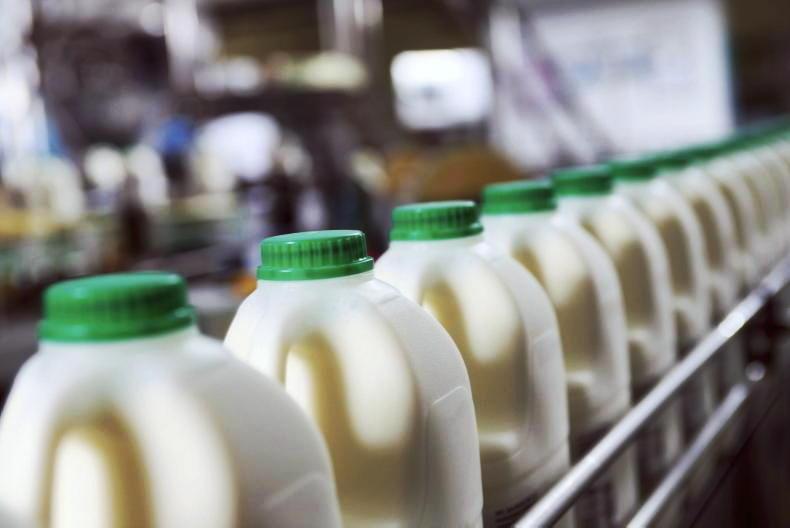
Ireland can meet the annual protein requirements of 20m people with current land-based systems of production, according to new research from Teagasc.
This figure increases to 35m people when protein digestibility is accounted for.
The research was carried out by Marie Merlo of Teagasc and focused on land-based production systems (beef, sheep, dairy, cereal and legumes production) and did not include pigs and poultry.
“The quality component (and not just quantity) must be considered when comparing plant and animal-based proteins,” Merlo said.
Protein digestibility refers to how many essential amino acids are available to the body after digestion.
After the digestion process is complete, depending on the type of protein consumed, there will be a different amount of amino acids available to the body.
“After digestion of animal-based products, 100% of amino acids present will be available for the body,” Marie Merlo said.
Digestion
This decreases to, on average, 50% of plant-based protein after digestion.
“Economically speaking, milk is the most efficient protein product. It has a much higher gross and net margin per hectare compared to the other products (beef, sheep, cereals, legumes) and is followed by cereals and legumes,” Merlo told a Teagasc Signpost webinar.
Merlo’s research found that in terms of protein quality (digestibility), milk surpasses cereals in production, output and security, due to the high digestibility of animal-based protein, compared to plant-based.
However, environmentally, there is much higher GHG emissions for milk, followed by beef and sheepmeat.
While “the Irish agricultural sector is able to meet the protein requirements of four times its population, and about six times, if digestibility is accounted for… policy decisions with an aim to reduce GHG emissions will also have an impact on protein security and food production,” Merlo warned.
Her research also examined the impact of policy decisions and found that in a “climate policy scenario”, where new environmental policies were adopted, net digestible protein output and digestible protein security would decrease.
However, in a “business as usual scenario”, where the tillage area reaches the target set by the Irish Government, there is a slight livestock reduction, changes in dairy and beef numbers and land use changes, meaning that protein security and protein output could increase.


SHARING OPTIONS