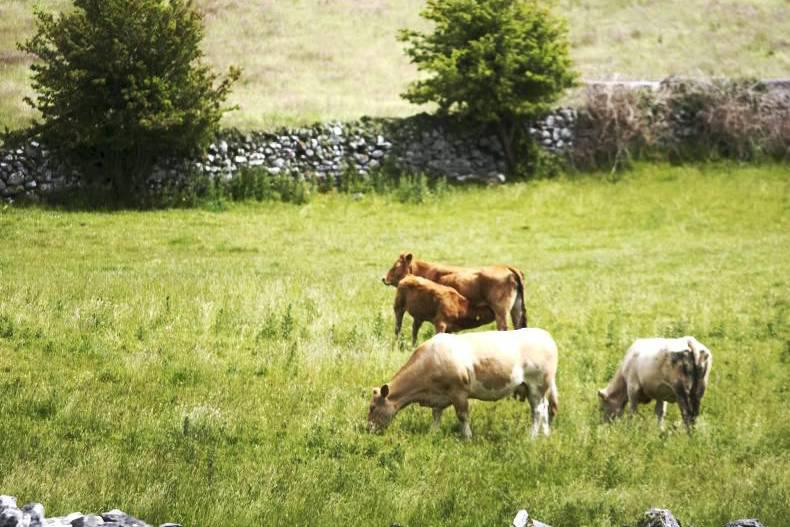
The most popular farm measure in GLAS among farmer applicants is low-input permanent pasture.
New figures from the Department of Agriculture show that farmers have taken up the measure for over 46,000 fields covering almost 180,000ha. Its popularity was expected given that farmers view the payment rate as attractive – at €314/ha per year – and they are comfortable with the restrictions on fertiliser use that it requires.
Likewise, most of the other GLAS measures that have proven to be popular are along expected lines. All of these measures will start in October when the first GLAS contracts get under way. Other popular measures are:
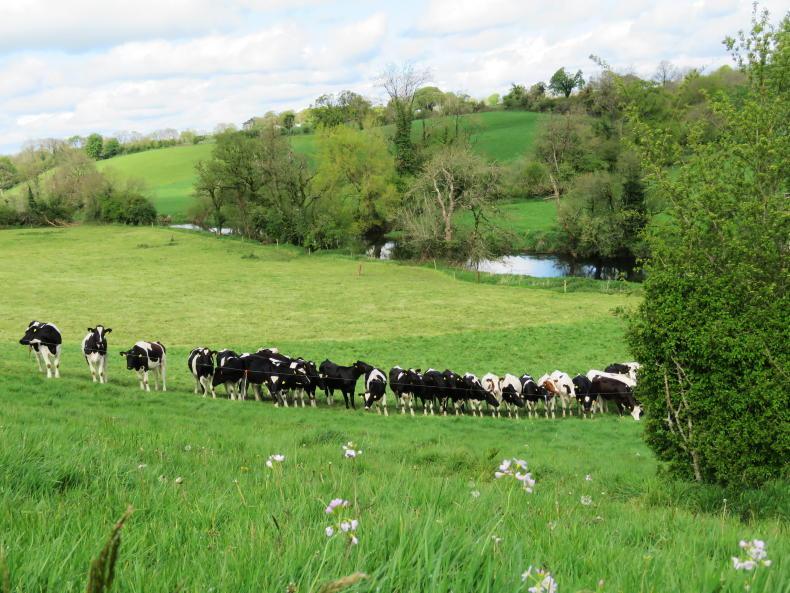
Protecting watercourses from bovines: Farmers plan to implement this measure on 27,575 land parcels with 8,004km of open ditch. For many farmers, the fencing is already in place from an earlier agri-environment scheme – now they must maintain it. Annual payment is €1.50/m. Traditional stone wall maintenance: Almost 6,300km of stone walls will be maintained. This measure has been popular in all previous agri-environment schemes and, in GLAS, will pay 70c/m.Traditional hay meadow has been selected for 7,400 land parcels covering over 18,180ha. This was popular in the previous AEOS schemes. The current payment is €315/ha. Bird boxes
In addition, farmers will install 92,708 new bird boxes for a payment of €6 each per year. They will install 10,225 sand pits for conservation of bees and 6,185 boxes for bees, for payments of €45 and €6 per unit, respectively. Just under 1,300km of new hedge will be planted and another 1,466km of hedge will be coppiced.
The Department of Agriculture is expected to adjust some GLAS measures to increase their uptake when the scheme opens again in the coming weeks for further applications.
These changes are likely
to be backdated to those farmers who joined GLAS in May and selected these measures.
The Department has confirmed to the IFA that the closed grazing period for the geese and swan measure is being reduced by six weeks.
It plans to adjust fencing requirements under the grey partridge measure and parcel rules for the hen harrier measure.
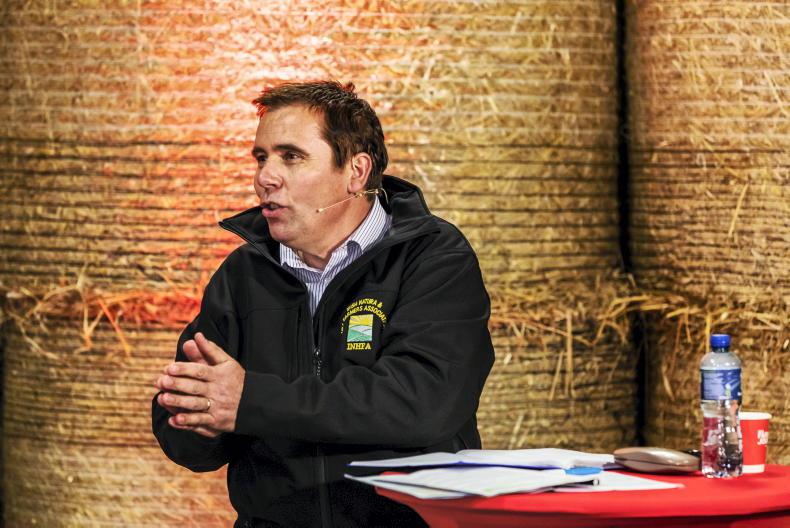
IFA rural development committee chair Flor McCarthy has called on the Minister for Agriculture Simon Coveney to open the next phase of GLAS in early September, so that farmers have ample time to plan to get into the scheme and to maximise their payments.
“The priority for the Minister must be to get an additional 20,000 farmers into the scheme, so that the Rural Development Programme target of 50,000 in the scheme in 2016 is met,” McCarthy said.
The most popular farm measure in GLAS among farmer applicants is low-input permanent pasture.
New figures from the Department of Agriculture show that farmers have taken up the measure for over 46,000 fields covering almost 180,000ha. Its popularity was expected given that farmers view the payment rate as attractive – at €314/ha per year – and they are comfortable with the restrictions on fertiliser use that it requires.
Likewise, most of the other GLAS measures that have proven to be popular are along expected lines. All of these measures will start in October when the first GLAS contracts get under way. Other popular measures are:
Protecting watercourses from bovines: Farmers plan to implement this measure on 27,575 land parcels with 8,004km of open ditch. For many farmers, the fencing is already in place from an earlier agri-environment scheme – now they must maintain it. Annual payment is €1.50/m. Traditional stone wall maintenance: Almost 6,300km of stone walls will be maintained. This measure has been popular in all previous agri-environment schemes and, in GLAS, will pay 70c/m.Traditional hay meadow has been selected for 7,400 land parcels covering over 18,180ha. This was popular in the previous AEOS schemes. The current payment is €315/ha. Bird boxes
In addition, farmers will install 92,708 new bird boxes for a payment of €6 each per year. They will install 10,225 sand pits for conservation of bees and 6,185 boxes for bees, for payments of €45 and €6 per unit, respectively. Just under 1,300km of new hedge will be planted and another 1,466km of hedge will be coppiced.
The Department of Agriculture is expected to adjust some GLAS measures to increase their uptake when the scheme opens again in the coming weeks for further applications.
These changes are likely
to be backdated to those farmers who joined GLAS in May and selected these measures.
The Department has confirmed to the IFA that the closed grazing period for the geese and swan measure is being reduced by six weeks.
It plans to adjust fencing requirements under the grey partridge measure and parcel rules for the hen harrier measure.
IFA rural development committee chair Flor McCarthy has called on the Minister for Agriculture Simon Coveney to open the next phase of GLAS in early September, so that farmers have ample time to plan to get into the scheme and to maximise their payments.
“The priority for the Minister must be to get an additional 20,000 farmers into the scheme, so that the Rural Development Programme target of 50,000 in the scheme in 2016 is met,” McCarthy said.






SHARING OPTIONS